
Maximizing Space with Compact Meeting Booth
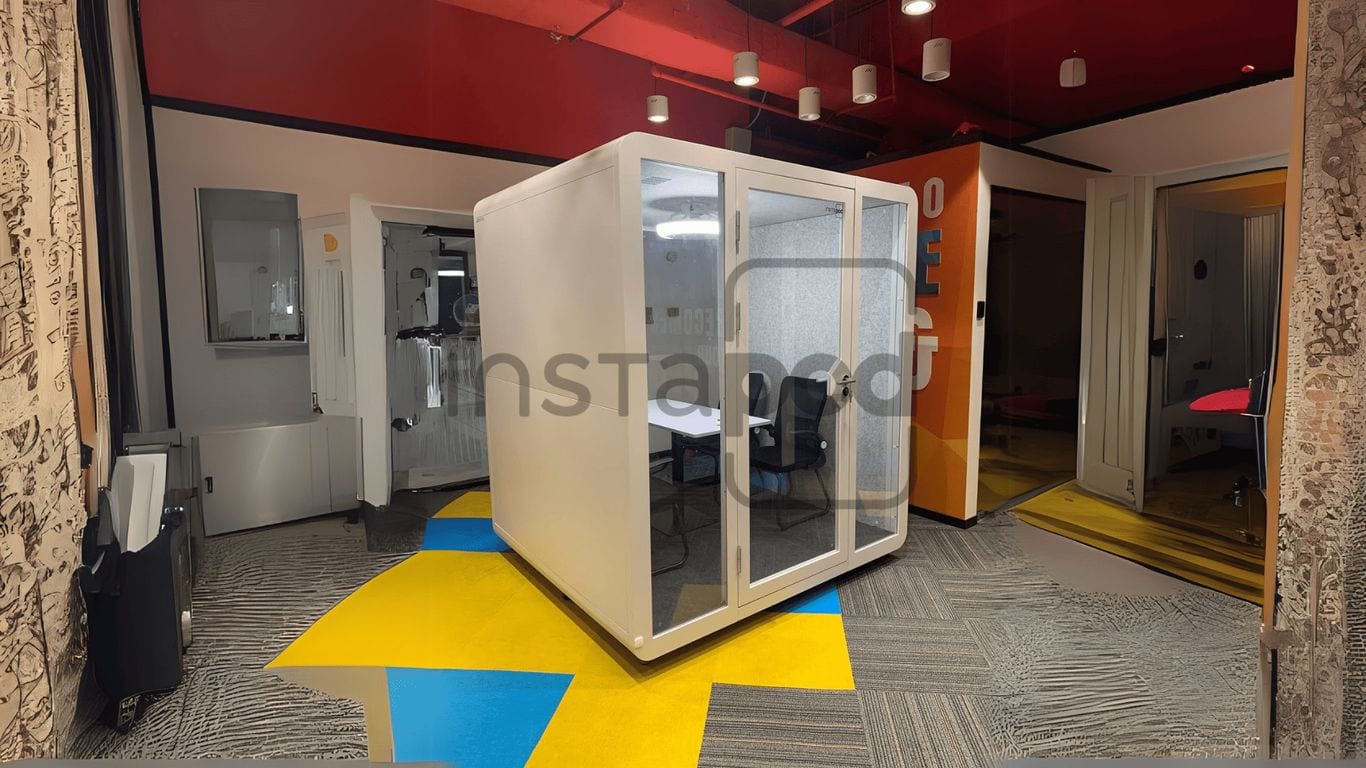
So, you’re looking to make the most of your office space, right? Especially with how things are these days, having a dedicated spot for focused work or a quick chat without interrupting everyone else is a big deal. That’s where the compact meeting booth comes in. It’s not just a trend; it’s a smart way to add functionality without taking up a ton of room. Let’s talk about how these little powerhouses can really change your office.
Key Takeaways
- Make your compact meeting booth work harder by choosing furniture that does more than one thing, like seating with storage or fold-away desks. Also, use the walls for shelves and organizers to keep things tidy.
- Think about where you put your meeting booth. In smaller offices, tuck them into unused spots. In bigger ones, spread them out so everyone can get to one easily. Grouping them near teams that need them also makes sense.
- Smaller meeting booths are often cheaper and easier to make your own. They also use less energy, which is good for the planet and your bills.
- These booths are great for cutting down on noise. This means fewer distractions, clearer calls, and a better environment for everyone to get their work done.
- Booths can be moved around if your office needs change. They help balance busy open areas with quiet spots, making the whole office work better for different tasks.
Maximizing Functionality Within Your Meeting Booth
Choosing Multi-Functional Furniture For Compact Booths
When you’re working with a small meeting booth, every bit of space counts. It’s not just about having a place to sit; it’s about making that place work harder for you. Think about furniture that can do more than one thing. A simple bench might have storage hidden underneath, perfect for stashing extra notebooks or chargers. Some desks can fold down from the wall, giving you a workspace when you need it and disappearing when you don’t. This way, you’re not just filling up the booth; you’re making it a truly useful spot.
- Fold-away desks: Great for quick tasks, they tuck neatly against the wall when not in use.
- Seating with storage: Ottomans or benches that open up provide a place to sit and a spot to hide supplies.
- Modular units: Look for pieces that can be reconfigured or stacked to suit different needs.
The key is to select items that serve multiple purposes, reducing clutter and maximizing the utility of every square inch.
Utilizing Vertical Space For Storage Solutions
Don’t forget about the walls! They’re prime real estate in a small booth. Installing shelves, magnetic strips, or even a small pegboard can keep your essentials organized and within easy reach. This keeps your desk surface clear, which makes a big difference when you’re trying to focus. Having a place for pens, notepads, and your phone means less time spent searching and more time spent working.
Embracing Technology For Seamless Workflows
Technology can really help make your booth a powerhouse, but it needs to be managed carefully to avoid adding to the clutter. Consider built-in wireless charging pads on the desk surface – a simple way to keep your phone powered without extra cables. If you need a larger screen for video calls or reviewing documents, a small, wall-mounted monitor can be a good addition. The real trick here is cable management. A single, well-secured power strip with multiple outlets can handle all your devices, keeping wires tidy and out of the way. This setup means you can plug in your laptop, phone, and anything else without creating a tangled mess.
- Wireless charging: Built into the desk surface for easy phone power.
- Cable management: Use ties or sleeves to keep cords neat.
- Smart power strips: Provide multiple outlets in one compact unit.
Think about how you actually use the booth. What tools do you need most often? Arranging these items so they are easy to grab and put away creates a system that supports your focus without making the space feel cramped.
Strategic Placement Of Your Meeting Booth
Thinking about where to put your new meeting booths is more important than you might think. It’s not just about finding an empty spot; it’s about making them work for your office. The right placement can make a big difference in how much people actually use them and how productive everyone becomes.
Integrating Booths In Midsize Office Layouts
For offices that aren’t tiny but aren’t massive either, think about grouping your booths. Placing them near specific teams that often need private calls or quick chats makes a lot of sense. This way, people don’t have to walk far. You can also create little clusters of booths. These clusters can act as informal meeting points where colleagues can decide together which booth is best for their current task.
- Departmental Proximity: Group booths close to teams that frequently need private space.
- Team Hubs: Designate central spots within booth clusters for easy access.
- Resource Sharing: Position booths to help teams communicate and share information better.
Maximizing Booth Utility In Large Workplaces
In bigger offices, especially those spread across multiple floors, even distribution is key. Make sure booths are spread out so everyone has reasonable access, no matter where they sit. Consider where people naturally walk – you want to keep those main paths clear. Also, think about how light moves through the space. Placing booths thoughtfully can help maintain good natural light flow. A good rule of thumb for larger setups is to aim for at least one single-person booth, one work booth, and one small meeting booth for every 10-20 people in a project team. This makes sure dedicated quiet or private spaces are available without employees having to trek across the entire office. Think about how many telephone booth singapore options you might need based on team size.
| Booth Type | Recommended For Every | Notes |
|---|---|---|
| Single-person | 5 employees | For quick calls or focused individual work |
| Work Booth | 10 employees | For focused tasks needing a bit more space |
| Small Meeting Booth | 10 employees | For brief team discussions or brainstorming |
Utilize Dead Space For Booth Placement
Don’t overlook those awkward, unused spots in your office. Think about hallways, corners, or even the space under staircases. These areas are often just collecting dust, but they can be perfect for a meeting booth. Their sound-dampening qualities mean you can even place them near busy work areas to cut down on distractions for everyone. It’s a smart way to add functionality without taking up valuable open space.
Placing booths in underused areas like corridors or under staircases is a practical way to add private spaces without disrupting the main office flow. It turns forgotten corners into productive zones.
Remember, the goal is to make these booths convenient and accessible. Thoughtful placement means they’ll actually get used, leading to a more focused and productive work environment for everyone.
The Advantages Of Compact Office Booths
When you’re thinking about adding private spaces to your office, going small can actually be a really smart move. Compact office booths, sometimes called acoustic pods, bring a bunch of good things to the table without demanding a huge chunk of your budget or floor space. They’re not just tiny rooms; they’re practical solutions that make a lot of sense for modern workplaces.
Cost-Effectiveness Of Smaller Booths
Let’s face it, budgets are always a thing. The good news is that smaller booths usually come with a smaller price tag. This makes them accessible for all sorts of businesses, from startups trying to keep costs down to larger companies looking to add a few quiet spots without a massive investment. You get the benefit of a private workspace without the big financial commitment. It’s a straightforward way to boost your office’s functionality.
Ease Of Personalization And Design
Just because a booth is compact doesn’t mean it has to be boring or generic. In fact, smaller spaces are often easier to make your own. You don’t need a lot of items to create a welcoming atmosphere that fits your company’s vibe. A few well-chosen pieces can make a big difference, turning a simple pod into a comfortable and productive nook. It’s about making that small area feel just right for whoever uses it.
Energy Efficiency In Compact Workspaces
Compact office booths are naturally good with energy. They need less power to heat or cool compared to larger rooms or open office areas. This is good for the planet, sure, but it also means lower utility bills for your office. It’s a quiet benefit that adds up over time. Think of it as a small change that helps make your workplace more sustainable and budget-friendly.
Here are some key benefits:
- Lower upfront costs: Generally cheaper to purchase or lease than larger meeting rooms.
- Reduced utility bills: Less energy needed for heating, cooling, and lighting.
- Faster setup: Often quicker to install and ready for use.
- Improved focus: The contained space can help minimize distractions.
These acoustic pods provide a focused environment, which can really help people concentrate on tasks without the usual office noise. It’s like having a personal quiet zone on demand.
Adaptability And Future-Proofing Your Workspace
Offices today aren’t static. They change, teams grow, and how we work shifts. That’s where these booths really shine. They aren’t just another piece of furniture; they’re a smart way to make your workspace ready for whatever comes next. Many modern booths are designed to be moved easily, sometimes without even needing to be taken apart. This means if your team structure changes or you just need a quiet spot in a different area, you can do it without a huge hassle. It’s like having a movable private office on demand. Plus, some can even be reconfigured inside to suit different needs, from solo work to quick team chats.
Enhancing Productivity With An Office Booth
Open-plan offices are great for collaboration, but let’s face it, sometimes you just need to get your head down without the constant hum of activity. That’s where the humble office booth shines. These aren’t just fancy dividers; they’re actual sanctuaries designed to help people focus and communicate without the usual office chaos. A well-placed office booth can significantly boost individual focus and team effectiveness.
The Role Of Office Booths In Noise Reduction
Noise is a productivity killer. Imagine trying to nail a client call while someone nearby is having a loud chat. It’s not ideal, right? Soundproof office pods, often referred to as privacy pods, act like a personal bubble, keeping your conversations private and clear. This means fewer misunderstandings and a more professional image. It’s a simple fix that makes a big difference in how effectively you communicate.
- Clearer Calls: No more repeating yourself because of background noise.
- Reduced Distractions: Employees can focus on their work without overhearing others.
- Privacy Assured: Sensitive conversations stay confidential.
Creating A Focused Work Environment
Beyond just blocking out noise, these compact spaces are designed to minimize visual distractions too. When you step into a privacy pod, you’re stepping away from the visual clutter of a busy office. This controlled environment helps your brain switch gears, allowing for deeper concentration on tasks that require sustained attention. It’s about creating a mental space as much as a physical one.
The limited, controlled environment of a soundproof pod helps users enter a state of flow more easily. By removing external stimuli, the mind can dedicate its full resources to the task at hand, leading to higher quality work and faster completion times.
Boosting Employee Performance
When employees have access to quiet spaces for focused work or private calls, their overall performance naturally improves. They spend less time being interrupted and more time being productive. This leads to better quality output, reduced stress, and a greater sense of job satisfaction. Offering these soundproof pods shows that the company values employee well-being and understands the diverse needs of its workforce.
| Feature | Impact on Performance |
|---|---|
| Noise Reduction | Minimizes interruptions, allows for deep concentration. |
| Privacy | Enables confidential discussions and sensitive tasks. |
| Dedicated Space | Reduces context switching, improves task focus. |
Designing For Adaptability With Meeting Booths
Mobility and Relocation of Booths
Offices today aren’t static. They change, they grow, and the way we work shifts pretty constantly. That’s where meeting booths really shine. They aren’t just another piece of furniture; they’re a smart move for making your workspace ready for whatever comes next. One of the best things about newer office booths is how easy they are to move. Forget about major construction or long downtimes when you need to rearrange. These booths can often be picked up and placed somewhere else without needing to be taken apart. This means if your team structure changes, or you just need a quiet spot in a different part of the office, you can do it without a huge hassle. It’s like having a movable private office on demand.
Tailoring Booths For New Functions
Beyond just moving them, many booths are designed to be reconfigured. Think about adding or swapping out furniture inside, or even changing the internal layout slightly. This flexibility means a booth that’s perfect for focused solo work today could easily become a small huddle space for a quick team chat tomorrow. It’s about making sure your investment can keep up with your business’s changing rhythm. This adaptability guarantees your workspace remains functional and efficient, no matter the evolving needs of your team.
Here’s a quick look at how reconfigurable booths can serve different purposes:
- Solo Focus: Add a small desk and ergonomic chair for deep work.
- Quick Sync: Include a small table and a couple of stools for impromptu meetings.
- Video Calls: Equip with a monitor mount and good lighting for professional remote interactions.
Balancing Open Spaces With Quiet Areas
It’s not about booths replacing everything else. It’s about finding the right balance. You still need those open, collaborative areas where people can brainstorm and connect. But by adding dedicated booth zones, you give people the option for quiet, focused work or private conversations without disturbing the rest of the office. This mix creates a more productive and pleasant environment for everyone, allowing different work styles to coexist happily.
A clean booth is a productive booth. Keeping the space tidy and free of unnecessary items makes it feel larger and more inviting. Adding a few personal touches, like a small plant or a photo, can make it a more comfortable place to spend time, turning it into a little sanctuary for focused work.
Optimizing Meeting Booth Arrangement
Figuring out where to put your meeting booths can make a big difference in how useful they actually are. It’s not just about sticking them in any old corner; it’s about making them work for your office’s flow and your team’s needs. Think of it like arranging furniture in your living room – you want it to look good, but more importantly, you want it to be functional.
Booth Arrangement Tips For Small Offices
In a smaller office, every square foot counts. The trick here is to look for those often-ignored spots. Think about hallways that feel a bit too wide, awkward corners, or even the space under a staircase. These areas are perfect for tucking away a booth without disrupting the main workspace. Placing a booth near where people are actively working can also be smart. Its sound-dampening qualities can act as a little quiet zone, cutting down on distractions for both the person inside and those nearby. When you position them, pay attention to the glass panels. You want to set them up so they offer a bit of visual connection to the office, but without making anyone feel like they’re on display.
- Utilize overlooked areas: Hallways, corners, and spaces under stairs are prime real estate.
- Create noise buffers: Position booths near active work zones to absorb sound.
- Manage visual flow: Orient glass panels to balance openness with privacy.
Don’t just place booths randomly. Consider how people move through the office and where a quiet spot would be most helpful without becoming an obstacle.
Booth Arrangement Tips For Medium-size Offices
For offices that are a bit bigger, you can start thinking about grouping booths. It makes sense to put them near specific teams that tend to need private calls or quick chats. This cuts down on people wandering too far from their desks. You can even create small clusters of booths. These clusters can act like mini-hubs where team members can gather, chat, and then pick the booth that best fits what they need to do at that moment, whether it’s a solo call or a small group discussion.
- Departmental Proximity: Group booths near teams that frequently need private space.
- Team Hubs: Designate central spots within booth clusters for easy access and decision-making.
- Resource Sharing: Position booths to encourage interaction and sharing within teams.
Booth Arrangement For Large Offices
In larger workplaces, especially those spread across multiple floors, distribution is key. You want to make sure booths are spread out evenly so everyone has reasonable access, no matter where they’re located. Keep an eye on main walkways; you don’t want booths blocking the flow of people. Also, think about how natural light comes into the office. Placing booths thoughtfully can help maintain good light distribution. A good general guideline for larger setups is to aim for a mix of booth types. For every 10-20 people on a project team, consider having at least one single-person booth, one for focused work, and one small meeting booth. This way, dedicated quiet or private spaces are available without employees having to walk across the entire office.
| Booth Type | Recommended For Every | Notes |
|---|---|---|
| Single-person | 5 employees | For quick calls or focused individual work |
| Work Booth | 10 employees | For focused tasks needing a bit more space |
| Small Meeting Booth | 10 employees | For brief team discussions or brainstorming |
Wrapping It Up
So, when you look at it, these compact meeting booths are pretty handy. They don’t take up much room but give people a quiet place to work or chat without bothering anyone. Whether you’re in a small startup or a big company, finding a spot for one is usually doable. They help cut down on noise and make it easier for folks to focus. Plus, they’re not a huge expense, which is always a good thing. It’s a simple way to make your office a bit better for everyone.
Frequently Asked Questions
How can I make the most of a small meeting booth?
To get the most out of a small meeting booth, think about using furniture that does more than one job. For example, a chair might have storage underneath, or a desk could fold up when you don’t need it. Also, use the walls for storage by adding shelves or hooks for your stuff. This keeps things tidy and makes the space feel bigger.
What’s the best way to arrange booths in a small office?
In a small office, put booths in spots that aren’t used much, like corners or hallways. Placing them near where people work can also help block out noise. Make sure the glass doors face a way that lets people see out a bit but still feel private.
Are compact office booths cheaper?
Yes, smaller booths usually cost less than bigger ones. This is great for companies that need to save money. It means you can add private spaces without spending a lot, making them a smart choice for almost any business.
How do office booths help reduce noise?
Office booths are built to be quiet places. They act like a soundproof bubble, stopping conversations and other noises from bothering people outside. This means you can have clear phone calls and focus on your work without distractions from the busy office.
Can office booths be moved easily?
Many office booths are designed to be moved. This means you can change your office layout if needed without a lot of hassle. Some booths can even be set up for different uses later on, making them a flexible choice for a changing workplace.
What’s a good number of booths for my office?
A good rule of thumb is to have one small booth for quick calls and one slightly bigger booth for small meetings for every 10 to 20 people in your office. For very quick calls, some suggest a phone booth for every 5 employees. It really depends on how your teams work and what they need.
The post Maximizing Space with Compact Meeting Booth appeared first on InstaPod Singapore.