No pods added to your quote request yet. Add some now for a free quote!
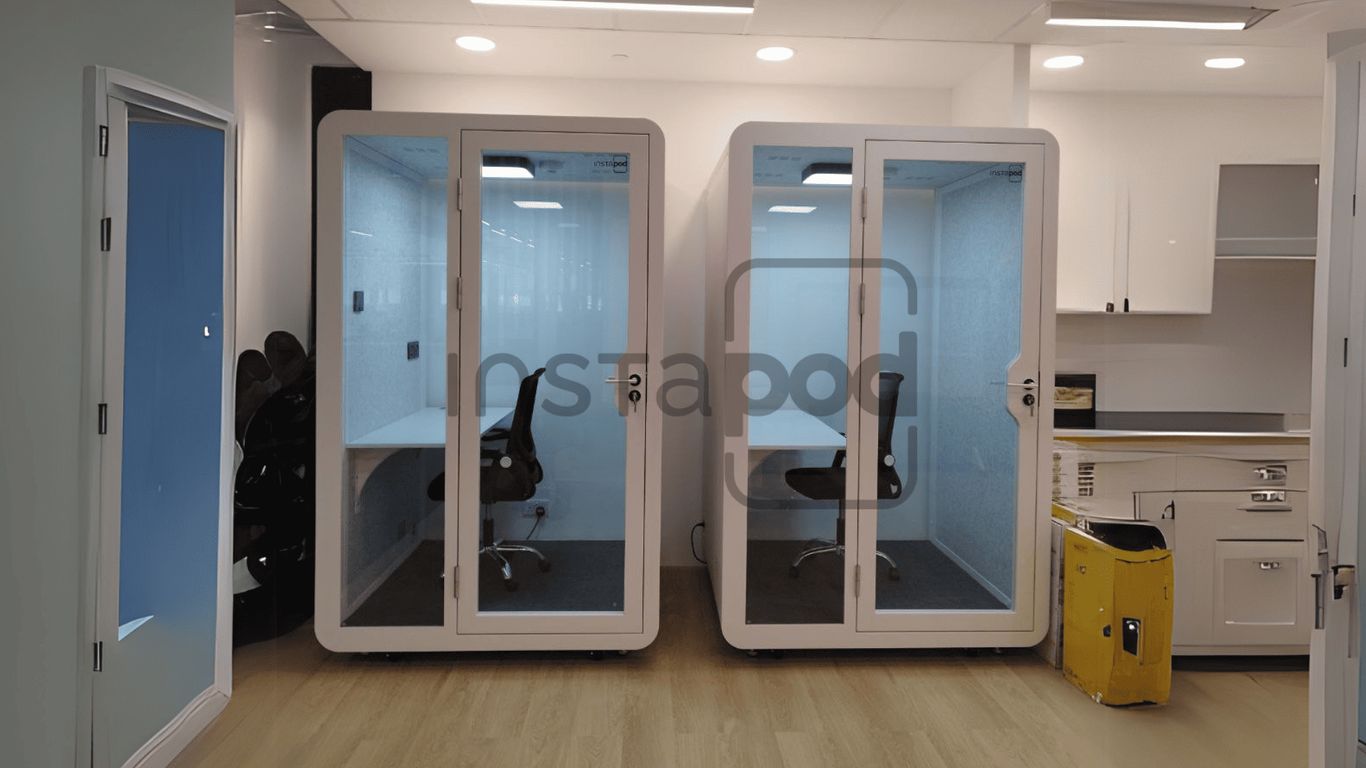
In today’s fast-paced work environments, especially for agile teams, finding the right space for focused work and quick collaboration can be a challenge. Open offices are great for some things, but they can get noisy and distracting. That’s where enclosed office pods come in. These handy little spaces offer a private retreat within a busy office, helping teams stay productive and connected. Let’s look at how these enclosed office pods can make a difference.
Key Takeaways
- Enclosed office pods help teams work together better without disturbing everyone else in an open office setup.
- These pods provide quiet spots for important talks, like HR meetings or strategy sessions, keeping things private.
- They are flexible and can be used for different tasks, from quick team huddles to focused individual work.
- Enclosed office pods are useful for hybrid work, giving remote and in-office staff a place to connect.
- Setting up these pods strategically can improve how teams collaborate and get work done.
Enhancing Collaboration with Enclosed Office Pods
Open offices are great for a lot of things, like making people feel connected and keeping the space feeling big. But let’s be real, sometimes you just need to talk something through with a few people without the whole floor hearing or getting interrupted every two minutes. That’s where these enclosed office pods really shine. They’re like little private rooms you can just drop into.
Boosting Teamwork Without Disrupting Open Plans
These pods are a smart way to get the benefits of close teamwork without messing up the open-plan vibe. Instead of everyone huddling around a desk or trying to whisper in a hallway, a pod gives you a dedicated spot. It means quick chats and strategy huddles can happen without turning into a loud disruption for everyone else. It’s about giving teams a place to connect without losing the flexibility of an open layout.
- Quick Huddles: Perfect for those impromptu
The Versatility of Enclosed Office Pods
Enclosed office pods are surprisingly adaptable, fitting into all sorts of work scenarios. They aren’t just for quiet phone calls anymore. Think of them as flexible little rooms that can be moved around as your team’s needs change. This means you can set up a space for a quick chat one day and then reconfigure it for a focused work session the next. This adaptability is key for keeping up with the fast pace of modern work.
Adapting to Diverse Team Needs and Tasks
Pods come in various sizes, from a compact modern phone booth for one person to larger units that can fit a small team. This variety means you can find something that works whether you need a quiet spot for deep thinking or a place for a few people to hash out ideas. Some pods are designed to be mobile office pods, so you can easily shift them around the office as projects evolve or team sizes fluctuate. It’s about having the right space, right when you need it.
Supporting Content Creation and Focused Work
Beyond just meetings, these spaces are great for creating content. The soundproofing helps if you’re recording a podcast or doing a video shoot. Plus, the controlled environment means fewer interruptions when someone needs to really concentrate on editing or writing. Even a mini office pod can be a sanctuary for focused tasks that require zero distractions. Good lighting and power outlets are usually standard, making them practical for these kinds of jobs.
Enabling Optimal Performance in Hybrid Environments
In today’s hybrid work setup, pods are a lifesaver. They give remote workers a dedicated, professional space when they come into the office, and they provide a quiet zone for in-office staff to connect with their remote colleagues. This helps level the playing field and makes sure everyone can contribute effectively, no matter where they’re working from. It’s about making sure that the time spent in the office is productive and collaborative.
Achieving Privacy and Focus with Enclosed Office Pods
In today’s busy workplaces, finding a quiet spot to concentrate or have a private chat can feel like a treasure hunt. Open-plan offices, while great for some things, often mean constant background noise and a lack of personal space. This is where enclosed office pods really shine. They offer a much-needed escape hatch from the general office buzz, giving individuals and small teams a dedicated zone for focused work or sensitive conversations.
Ensuring Confidentiality for Sensitive Conversations
Sometimes, you just need to talk without everyone else overhearing. Whether it’s a confidential HR discussion, a sensitive client call, or a private one-on-one meeting, these pods provide a secure bubble. Their sound-dampening features mean that what’s said inside, stays inside. This is a big deal for maintaining trust and professionalism, especially when dealing with personal information or important business negotiations.
- HR and Legal Discussions: Conduct interviews or discuss sensitive employee matters without worry.
- Client Calls: Ensure privacy and professionalism during important client interactions.
- Leadership Check-ins: Hold private conversations between managers and team members.
The ability to have private conversations without disrupting the entire office is a game-changer for maintaining a professional and respectful work environment.
Minimizing Distractions for Enhanced Concentration
Distractions are productivity killers. A sudden loud conversation, a ringing phone, or just general office chatter can pull you right out of your workflow. Pods act as a shield against these interruptions. They create a personal sanctuary where you can dive deep into tasks without constant interruptions. This is especially helpful for tasks that require deep thinking, like writing reports, coding, or complex problem-solving. Studies show that even small distractions can significantly impact how long it takes to complete a task, and pods directly combat this.
Creating Calm Environments for Creative Professionals
Creativity often thrives in a calm, controlled setting. For designers, writers, developers, or anyone in a creative role, a noisy environment can stifle inspiration. Pods offer a quiet space where ideas can flow more freely. The controlled lighting and acoustics within a pod can be adjusted to suit the user’s needs, making it an ideal spot for brainstorming, sketching out ideas, or even recording audio or video content without background noise.
| Feature | Benefit |
|---|---|
| Acoustic Insulation | Reduces external noise by up to 25 decibels |
| Controlled Lighting | Adjustable for focus or creative tasks |
| Ventilation | Ensures a comfortable, fresh atmosphere |
| Privacy | Creates a personal, distraction-free zone |
Designing Your Enclosed Office Pod Space
So, you’ve decided enclosed office pods are the way to go for your team. That’s great! But before you just plop them down anywhere, let’s talk about actually designing the space. It’s not just about buying a box; it’s about making it work for you.
Selecting Appropriate Sizes and Layouts for Collaboration
First things first, figure out what size pod you actually need. Are these for quick solo calls, or are you planning on fitting a whole project team in there for a brainstorming session? A one-person booth is pretty different from a four-person meeting pod. Think about the primary use. If it’s mostly for individual focus work or private calls, a smaller unit will do. But if you’re looking at team huddles, you’ll need something with more elbow room. It’s also worth considering how many people might use a pod at once. Some pods are designed for face-to-face seating, which is good for interviews or one-on-ones. Others have side-by-side seating, which works better for pair programming or design reviews. And don’t forget about stand-up tables for those quick, energetic meetings where you want to make decisions fast.
Here are some common layouts to think about:
- Solo Focus: Designed for one person, offering maximum privacy and minimal distractions.
- Two-Person Huddle: Ideal for quick check-ins, pair work, or private conversations.
- Small Group Meeting: Accommodates 3-4 people, suitable for team discussions and project planning.
- Larger Collaboration: For teams of 4-6, offering space for more involved brainstorming or presentations.
Integrating Technology for Seamless Hybrid Meetings
Modern work often means hybrid work, right? So, your pods need to be tech-ready. This means thinking about power outlets and USB ports. Nobody wants to be hunting for an outlet or have their laptop die mid-meeting. You’ll want easy access to these, ideally at table height. Also, consider network connectivity. Is there a place to plug in an Ethernet cable if Wi-Fi is spotty? And what about screens? If you plan on video calls or presentations, a wall-mounted display that’s the right size for the pod is a good idea. Make sure there’s a way to manage cables so things don’t look messy. Good lighting is also key for video calls – you want to look good on camera, and avoid glare on screens. Adjustable lighting is your friend here.
When outfitting your pods, prioritize features that directly support your team’s workflow. Think about what kind of meetings or work sessions happen most often and equip the pods accordingly. It’s better to have a few well-equipped pods than many that don’t quite meet the needs.
Considering Aesthetics and Durability for Long-Term Use
Okay, so the pods need to work well, but they should also look good and last a while. Think about the materials. Are they easy to clean? This is important, especially if pods are used by many different people throughout the day. You don’t want materials that stain easily or are hard to wipe down. Durability is also a big one. Pods are an investment, so you want them to hold up to regular use. Look for sturdy construction. And while we’re talking looks, consider how the pods will fit in with the rest of your office design. Do the colors and finishes match your company’s vibe? You can get pods in different styles, so you can find something that complements your existing space rather than sticking out like a sore thumb. Choosing pods that are both functional and visually appealing can make a real difference in how people feel about using them.
Strategic Placement of Enclosed Office Pods
Figuring out where to put these acoustic pods for offices is pretty important. You don’t want to just stick them anywhere and hope for the best. Think about how people actually work and move around your office. The goal is to make them accessible and useful, not an afterthought.
Locating Pods Near Collaboration Zones
Placing office pods close to areas where teams naturally gather, like project tables or informal lounge spaces, makes a lot of sense. It means a quick chat can easily move into a dedicated space without a long walk. This supports those spontaneous moments when an idea sparks and needs a quiet place to be fleshed out. It’s like having a mini-meeting room ready right where the action is happening.
Distributing Pods Effectively Across Workspaces
Don’t put all your pods in one spot. Spreading them out across different floors or sections of your office means more people have easy access. Consider where teams spend most of their time or where noise levels tend to be higher. A good distribution means fewer people have to go out of their way to find a quiet spot.
Here’s a simple way to think about it:
- High-Traffic Areas: Place pods where people frequently move between departments or common areas.
- Departmental Hubs: Position pods near teams that often collaborate or have frequent calls.
- Quiet Zones: Even in quieter areas, a pod can offer an extra layer of privacy or a dedicated space for focused work.
Creating Clusters for Micro-Team Environments
Sometimes, grouping a few pods together can create a sort of ‘micro-team’ zone. This is great for project groups that need to huddle frequently or for departments that have a lot of internal discussions. It allows for a dedicated area where a small group can work together without disturbing others, and it can feel like their own little workspace within the larger office.
When you cluster pods, you’re essentially creating small, flexible neighborhoods for different teams or functions. This can really help with team cohesion and makes it easy for people to pop into a nearby pod for a quick sync-up or a focused work session without disrupting the main office flow. It’s about making the space work for the people in it.
Here are some common configurations:
- Two-Pod Cluster: Ideal for pairs of colleagues who need to collaborate frequently or for a small team needing a dedicated space.
- Three-Pod Cluster: Can support a small project team, offering a mix of individual focus pods and a slightly larger meeting pod.
- Four-Pod Cluster: Suitable for larger agile teams or departments that require multiple private spaces for calls, meetings, and focused work throughout the day.
Benefits of Enclosed Office Pods for Agile Teams
Agile teams move fast, and they need spaces that can keep up. Enclosed office pods are a game-changer for these dynamic groups, offering specific advantages that boost productivity and team cohesion. They’re not just extra rooms; they’re purpose-built solutions for the way modern teams work.
Supporting Daily Stand-ups and Sprint Reviews
Agile methodologies rely on frequent, short meetings like daily stand-ups and sprint reviews. These sessions, while brief, require a dedicated space where the team can gather without disrupting others. Pods provide just that – a contained environment where everyone can see and hear each other clearly, share updates, and identify blockers. This prevents those quick chats from spilling into the main workspace, keeping the open-plan areas free for focused individual work. It’s about having a designated spot that signals, ‘This is our team’s time, and we’re getting things done.’
Providing Dedicated Spaces for Brainstorming and Design
When ideas need to flow, a quiet, private space is often best. Pods can be outfitted with whiteboards or writable surfaces, turning them into impromptu brainstorming hubs. Teams can sketch out ideas, map out user flows, or work through design challenges without the pressure of disturbing colleagues or the need to book a formal conference room. This accessibility encourages more frequent ideation sessions, which is key for agile development where creative problem-solving is constant. The ability to quickly gather and visually collaborate is a major win.
Offering Reliable Privacy for HR and Leadership Discussions
Not all conversations are meant for public ears. Whether it’s an HR discussion about employee matters, a sensitive leadership meeting, or a confidential one-on-one performance review, privacy is paramount. Enclosed pods offer a high degree of acoustic privacy, meaning sensitive information stays within the pod. This builds trust and ensures that important, sometimes delicate, conversations can happen without worry. It provides a professional and secure setting that traditional open-plan offices simply can’t match for these types of interactions.
Wrapping Up: Pods for a Better Workspace
So, we’ve talked a lot about these office pods, and it’s pretty clear they’re more than just a trend. They really help teams work better, especially with how many people are working from home sometimes and then back in the office other times. Having these little private spots means folks can make calls, have quick chats, or just get some quiet work done without bothering everyone else. It’s like giving your team a toolkit to manage their day and focus on what matters. If you’re looking to make your office a bit more flexible and productive, these pods are definitely worth checking out. They’re a simple way to fix a lot of common office headaches.
Frequently Asked Questions
What exactly is an office pod?
Think of an office pod as a small, private room that you can place almost anywhere in your office. It’s like a mini-office within your bigger office, designed to be quiet and free from distractions. These pods are great for making phone calls, having small meetings, or just getting some focused work done without bothering others or being bothered yourself.
How do these pods help teams work better together?
Office pods are super helpful for agile teams because they offer a quick, private spot for quick chats or planning sessions. Instead of booking a big meeting room for just two people, you can use a pod. This keeps the main meeting rooms open for bigger groups and lets teams talk things through without interrupting the whole office.
Can I really get work done without noise bothering me?
Yes! The main point of these pods is to be soundproof. They have special walls and doors that block out most of the office noise. This means you can have important phone calls, video meetings, or just concentrate on your tasks without getting distracted by everything going on around you.
Are these pods good for people working from home sometimes and in the office other times?
Absolutely. In a hybrid work setup, where people aren’t in the office every day, these pods are lifesavers. They give employees a dedicated, private space when they are in the office, making their time there more productive. It ensures that even if the main office is busy, there’s always a quiet place to connect with remote colleagues or focus.
What if my team needs to brainstorm ideas or create something?
Office pods are perfect for that too! Some pods come with whiteboards or surfaces you can write on, making them ideal for jotting down ideas during a brainstorming session. The quiet environment helps everyone focus and be more creative, whether you’re designing something new or planning your next big project.
How do I choose the right size and type of pod?
You can find pods in different sizes, from small ones for just one or two people to larger ones that can fit four or more. Think about what your team usually does. Do you have lots of one-on-one calls? Grab a smaller pod. Do you have frequent small team huddles? A slightly bigger one might be better. Many companies offer different styles and features, so you can pick what fits your team’s needs and your office’s look.