
Creating Quiet Focus Zones in Singapore Workspaces
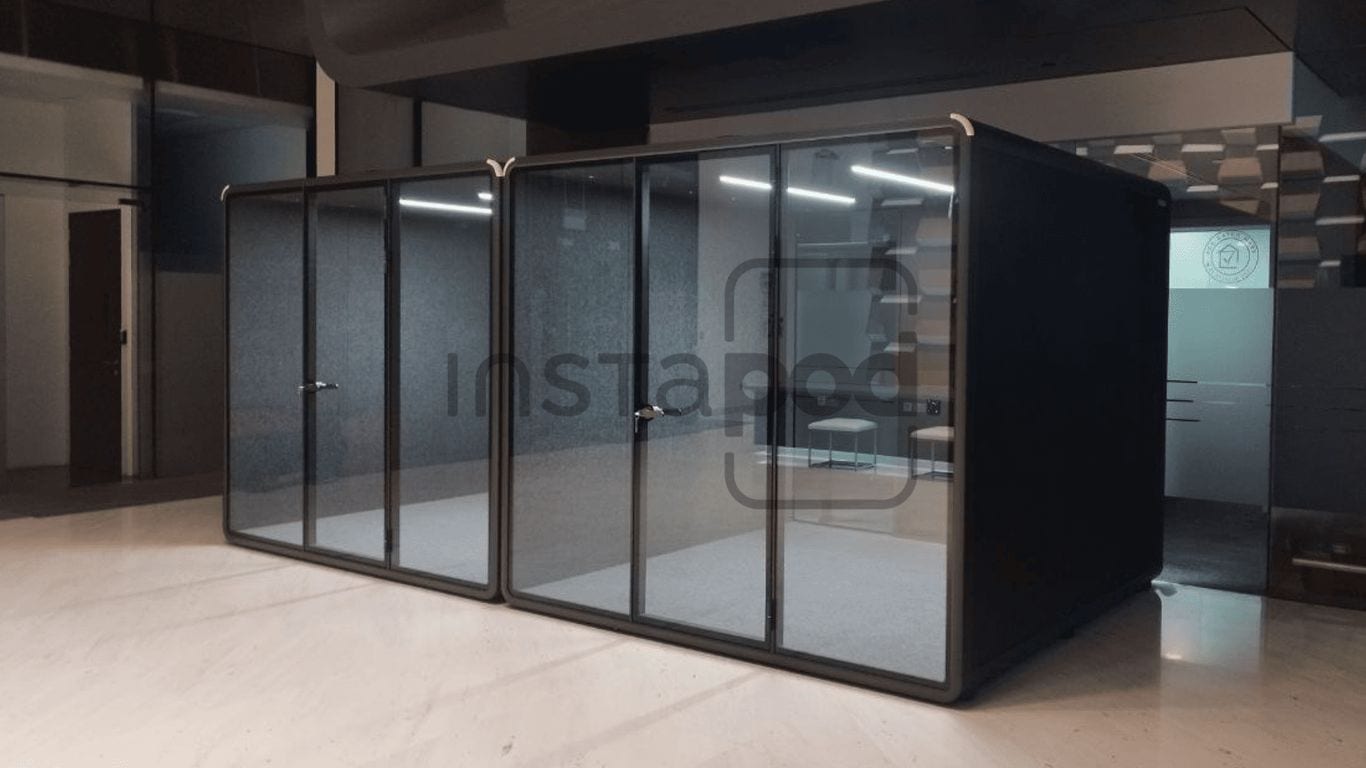
If you’re thinking about making your workspace quieter, here are some key points to remember.
Key Takeaways
- Quiet zones, like telephone booths, help workers focus better by cutting out noise.
- Small changes, such as moving desks or adding plants, can lower distractions.
- Noise-canceling headphones are a simple way to help people concentrate.
- Balancing quiet zones with open areas gives everyone space to work their way.
- Even low-cost solutions can make a big difference in productivity and mood.
The Strategic Value Of Quiet Workspaces
In today’s fast-paced Singaporean work environment, silence is often overlooked, but it’s actually a key ingredient for smart thinking. When people can work without constant interruptions, they tend to solve problems more effectively and produce better quality work. It’s not just about being quiet; it’s about creating space for deep thought. Valuing this quiet time sends a clear message that focused work is important. This, in turn, encourages employees to see their own concentration as something worth protecting.
Silence As A Sign Of Strategic Thinking
Think about it: when you’re trying to figure out a complex issue or come up with a new idea, a noisy office makes it tough. Your brain has to work harder just to filter out the chatter, phone calls, and general office buzz. This uses up mental energy that could be better spent on the task itself. Studies show that environments with less unpredictable noise lead to fewer mistakes, especially in tasks that require careful attention to detail. It’s like trying to read a book in the middle of a busy street – possible, but not ideal for absorbing the information.
Protecting Focus As A Valuable Resource
Many workplaces are designed for collaboration, which is great, but it often comes at the expense of focus. Employees often find themselves pulled in different directions, trying to concentrate while colleagues are on calls or discussing projects nearby. This constant switching between tasks can be draining.
- Reduced Task Switching: Minimizing distractions allows for longer periods of uninterrupted work.
- Improved Information Retention: A quieter mind can better hold onto details and instructions.
- Fewer Errors: Less mental overload means a higher chance of catching mistakes.
When the environment supports concentration, people naturally perform better. It’s not about working harder, but about working smarter because the space allows for clearer thinking.
Measuring The Impact Of Quiet Zones
It’s not just a feeling; the benefits of quiet workspaces can be seen in the results. Companies that have introduced quiet zones or specific focus hours often report a noticeable increase in completed tasks and a decrease in reported distractions. Employee feedback surveys frequently highlight improved satisfaction with their ability to concentrate in these designated areas.
| Feature | Open Office (Noisy) | Quiet Zone |
|---|---|---|
| Task Completion Rate | Moderate | High |
| Error Rate | Higher | Lower |
| Employee Satisfaction | Lower | Higher |
These improvements aren’t just about personal preference; they translate directly into better output and a more efficient team. Creating these spaces is a practical step towards a more productive and less stressful workday.
Designing For Deep Concentration
Balancing Collaboration With Concentration
It’s a tricky balance, isn’t it? We want our offices to buzz with energy, ideas flying around, people connecting. But then there’s the flip side: the need for quiet. Most people need periods of focused work to really get things done, and that requires a different kind of space. Trying to do complex tasks when there’s chatter all around is like trying to read a book in a crowded concert hall. It just doesn’t work. So, the trick is to build in areas where people can retreat and concentrate, without making the whole office feel like a library. It’s about giving people options, letting them choose the environment that best suits what they’re doing at that moment.
The Role Of Acoustic Control
Noise is the enemy of focus. Think about it: how long does it take you to get back on track after being interrupted? Studies show it can be a good 25 minutes. That’s a lot of lost time. So, how do we fight back? Acoustic control is key. This isn’t just about making things quiet; it’s about managing sound so it doesn’t become a distraction. We can use materials that absorb sound, like soft carpets, fabric wall panels, or even plants. Enclosed spaces, like small meeting rooms or pods, naturally cut down on noise. Even simple things like strategic placement of furniture can help break up sound waves.
Here’s a quick look at how different elements affect sound:
| Element | Impact on Sound |
|---|---|
| Hard Surfaces | Reflect sound, making spaces echoey and loud |
| Soft Furnishings | Absorb sound, reducing echoes and noise |
| Enclosed Spaces | Block sound transmission, creating quiet zones |
| Open Layouts | Allow sound to travel freely, increasing noise |
Thoughtful Lighting And Furniture
Beyond just sound, the physical environment plays a big part in concentration. Lighting is a big one. Too dim, and you get eye strain. Too bright and harsh, and it can feel jarring. Natural light is great, but we also need good artificial lighting that’s adjustable. Then there’s furniture. It needs to be comfortable, especially if you’re going to be sitting there for a while. Think ergonomic chairs and desks that are the right height. It’s not just about looking good; it’s about making it easy for people to settle in and focus on their work without fidgeting or feeling uncomfortable.
Creating spaces that support deep work means thinking about all the senses. It’s about reducing sensory overload and creating a calm atmosphere where the mind can settle. This involves careful consideration of visual elements, sound levels, and even air quality. When these factors align, people can achieve that state of flow more easily.
We need to consider:
- Lighting: Aim for a mix of natural and artificial light. Dimmable options are a plus.
- Seating: Comfortable, ergonomic chairs are a must for long focus sessions.
- Desk Space: Enough room to spread out materials without feeling cramped.
- Air Quality: Good ventilation helps keep people alert and comfortable.
Implementing Effective Focus Spaces
So, you’ve got the idea that quiet zones are a good thing for your Singapore office. Great! But how do you actually make them work? It’s not just about sticking up a few signs. You need to think about different kinds of quiet spaces because, let’s face it, not everyone’s idea of focus is the same. We need options.
Quiet Rooms for Individual Work
These are your go-to spots when someone needs to really buckle down on a task that needs serious concentration. Think writing reports, deep data analysis, or anything that requires you to block out the world for a bit. The key here is setting clear expectations. It’s like the quiet carriage on a train – the space itself might not look that different, but everyone knows the deal: silence is golden. Making it easy for people to book these rooms also helps them plan their focused work time effectively.
- Purpose: Dedicated space for uninterrupted individual tasks.
- Design: Minimalist, comfortable seating, good lighting.
- Usage: Best for tasks requiring deep thought and concentration.
The goal is to create an environment where people feel comfortable and able to get into a flow state without worrying about disturbing others or being disturbed themselves.
Enclosed Focus Pods for Private Calls
These little bubbles are becoming super important. They’re perfect for when you need to take a confidential call or have a quick, private chat without broadcasting your conversation to the entire office. They’re designed to keep sound in and out, giving you that much-needed privacy. Just a heads-up, though: some of these pods can get a bit warm if they’re sealed up tight and don’t have great airflow, so they might be better for shorter calls than long meetings.
The Versatility of the Telephone Booth
Don’t underestimate the humble telephone booth, or as we now call them, ‘phone booths’. These are fantastic for those quick, impromptu calls or video chats. They’re usually sound-dampened and offer a bit more privacy than just ducking behind a plant. They’re a simple, often cost-effective solution that can make a big difference in reducing background noise for everyone else. Plus, they’re super flexible – you can pop in for five minutes or twenty, depending on what you need.
Practical Solutions For Quieter Offices
Making an office quieter doesn’t always mean a huge renovation project. Sometimes, small, smart changes can make a big difference in how well people can concentrate. It’s about giving folks the space they need to get their best work done without constant interruptions. Think of it as equipping your team with the right tools, and in this case, the tool is a bit of peace and quiet.
Low-Cost Acoustic Improvements
Lots of noise in an office comes from everyday sounds bouncing off hard surfaces. You can tackle this without breaking the bank. Adding soft materials is key. Think about hanging fabric panels on walls, using thick carpets in common areas, or even strategically placing large plants. These things absorb sound instead of reflecting it. Even simple things like ensuring doors close properly can cut down on noise bleed. Acoustic panels, often available as tiles or even movable screens, are a popular choice because they’re effective and can be placed where they’re needed most.
Strategic Desk Placement
Where people sit matters. If desks are clustered near high-traffic areas like main walkways, the kitchen, or entrances, distractions are guaranteed. Try rearranging the layout. Move desks away from these busy zones. If possible, use existing furniture like bookshelves or cabinets as natural sound barriers. Creating zones within the office – a quieter zone here, a more collaborative one there – can also help manage noise levels. It’s about thinking about how people move and interact within the space.
Providing Noise-Canceling Headphones
Sometimes, the best solution is to give employees control over their own sound environment. Providing good quality noise-canceling headphones is a straightforward way to help people block out ambient office chatter, keyboard clicks, and other distractions. This is especially helpful for roles that require deep focus or for individuals who are particularly sensitive to noise. It’s a simple perk that can significantly boost concentration and reduce stress.
Giving employees the option to use noise-canceling headphones shows that the company understands the need for focus. It’s a practical step that acknowledges the reality of open-plan offices and offers a direct solution for individuals trying to concentrate.
The Versatility of the Telephone Booth
When you need a dedicated spot for private calls or focused work, the modern office phone booth, or work booth, is a game-changer. These compact, enclosed spaces are designed to offer a quiet refuge within a busy office. They’re perfect for taking sensitive calls, participating in video conferences without background noise, or simply having a few minutes of uninterrupted thinking time. Many Singapore workplaces are adopting these phone booths and work booths because they offer a flexible solution without requiring major construction. They come in various sizes, from single-person units to small meeting pods, making them adaptable to different needs and office layouts. They are a smart investment for any company looking to improve focus and reduce noise pollution.
Enhancing Productivity Through Focus
Reducing Distractions For Better Output
It’s easy to think that a busy office means people are getting a lot done. But constant chatter, ringing phones, and people walking by can really mess with your concentration. Studies show that interruptions can take a long time to recover from. When you can actually focus without a bunch of noise, you get more done, and it’s usually better quality work. Think about it: when you’re trying to write something important or figure out a tricky problem, every little sound pulls you away. It’s like trying to read a book in the middle of a concert. You might catch some words, but you’re not really getting the story.
The modern office often tries to be everything to everyone, but sometimes, that means it’s not great for anyone trying to do deep work. Creating specific spots where people can just get their heads down without being bothered is a smart move for any company that cares about results.
Improving Working Memory And Accuracy
Ever feel like you’re constantly re-reading emails or forgetting what you were just about to do? That’s often your working memory getting overloaded. Distractions, especially noise, really tax this part of your brain. When you’re in a quiet space, your brain doesn’t have to work so hard to filter out background noise. This frees up mental energy, allowing you to hold more information in your mind and process it more effectively. This directly leads to fewer mistakes and a better grasp of complex tasks.
Here’s a quick look at how focus impacts accuracy:
| Task Type | Typical Accuracy (Distracted) | Accuracy (Focused) |
|---|---|---|
| Data Entry | 85% | 98% |
| Report Writing | 70% | 92% |
| Complex Analysis | 60% | 88% |
Boosting Employee Satisfaction
Nobody likes feeling frazzled or constantly interrupted. When employees have access to quiet areas where they can concentrate, they feel more respected and supported. This sense of being understood can significantly improve their overall job satisfaction. It’s not just about getting more work done; it’s about creating an environment where people feel they can perform at their best without unnecessary stress. Happy employees tend to stick around longer and are more engaged with their work, which is a win-win for everyone involved.
Creating A Balanced Office Environment
It’s not just about having a place to get work done; it’s about making sure everyone can do their best work, whatever that looks like for them. Modern offices really need to support all sorts of working styles. Some folks do their best thinking when it’s super quiet, while others really get going when they’re bouncing ideas around with a team. The trick is to give people options.
Understanding Focus Versus Collaborative Zones
Think of it like this: you’ve got your quiet zones, where you can really buckle down on something that needs your full attention. Then you have your collaborative zones, which are great for team huddles, brainstorming, or just catching up with colleagues. The most productive offices offer a mix of both, letting people choose where they need to be for the task at hand. It’s about giving employees the freedom to move between these different settings throughout their day.
Supporting Diverse Work Styles
Not everyone works the same way, and that’s okay. Some people might need a private space for a sensitive call, and that’s where something like a dedicated work booth comes in handy. Others might just need a quiet corner away from the main hustle and bustle to finish a report. Providing these varied spaces means you’re acknowledging and supporting the different ways people operate. It helps reduce stress and keeps people from getting bogged down by constant interruptions.
The Importance Of Flexibility
Flexibility is key. An office that can adapt is an office that works for everyone. This means having spaces that can be used for different things. Maybe a quiet room can also serve as a small meeting space if needed. Or perhaps a collaborative area can be reconfigured for a larger group. It’s about creating an environment that feels supportive and allows people to adjust their workspace to fit their immediate needs, rather than forcing them into a one-size-fits-all setup. This adaptability helps keep people engaged and productive, no matter their role or preferred way of working.
Conclusion
Creating quiet focus zones in Singapore workspaces isn’t just about building fancy rooms or buying the latest telephone booth. It’s about making small, smart changes that help people get their work done without constant interruptions. A mix of quiet rooms, simple acoustic tweaks, and clear rules can make a big difference. When workers have space to focus, they do better work and feel less worn out by the end of the day. In the end, it’s not about total silence—it’s about giving everyone a fair shot at focus, no matter how loud the office gets.
Frequently Asked Questions
What is a telephone booth in an office?
It’s a small, private space where you can make calls or work quietly without being disturbed by noise around you.
How do quiet zones help people work better?
Quiet zones cut down on distractions, so you can think clearly and finish tasks faster.
Do I need to build new rooms to make my office quieter?
No, you can use things like bookshelves, plants, or noise-canceling headphones to help lower noise without building new rooms.
Can everyone use quiet spaces, or are they just for certain people?
Anyone can use them! They’re meant for anyone who needs to focus or take a private call.
Are telephone booths expensive to set up?
Some can be pricey, but there are simple and cheaper options that work well for most offices.
Will having quiet zones stop teamwork?
No, quiet zones just give people a choice. You can still have open spaces for talking and working together.
The post Creating Quiet Focus Zones in Singapore Workspaces appeared first on InstaPod Singapore.