
Acoustic Solutions: Equipping Your SG Team with a Soundproof Booth
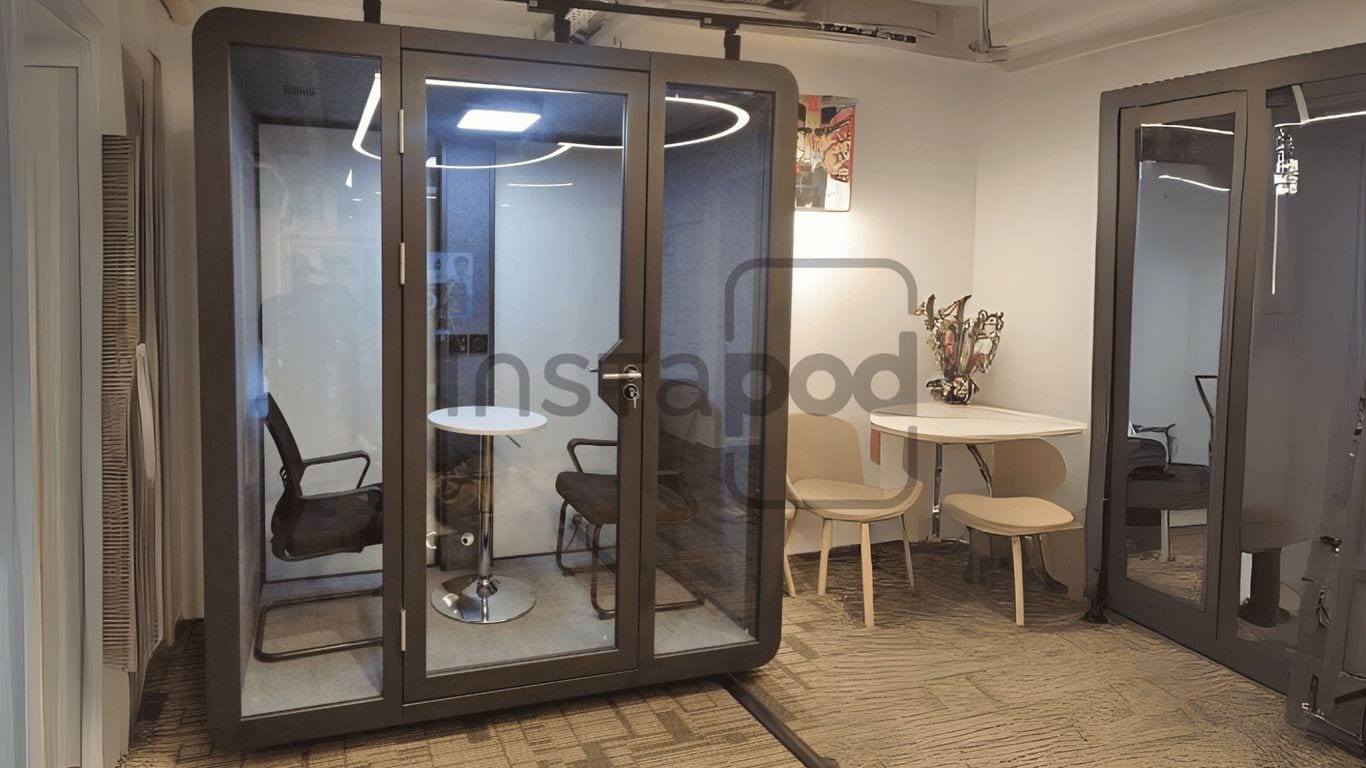
Open-plan offices are great for teamwork, but sometimes you just need a quiet spot. That’s where a soundproof booth comes in handy. These little rooms can make a big difference for focus and private chats. Let’s talk about how to get them set up right for your team.
Key Takeaways
- Figure out the best spot for your soundproof booth, thinking about how people move around and where it’s naturally quieter.
- Use good sound-blocking materials to make sure conversations inside stay private and outside noise stays out.
- Equip your booths with clear screens, good microphones, and dependable internet for smooth meetings.
- Think about lighting that can be adjusted and make sure there’s enough airflow for comfort.
- Plan for regular cleaning and check-ups to keep your soundproof booth in good working order.
Understanding The Purpose Of Soundproof Booths
Creating A Purposeful Haven For Focus
Let’s face it, open-plan offices are great for teamwork, but they can get pretty loud. Conversations, phone calls, and the general hum of activity can make it tough to concentrate. That’s where soundproof office pods really shine. These aren’t just extra rooms; they’re designed as quiet zones. They use special materials to cut down on office chatter and other noises, giving you a space where you can actually focus on your work. It’s about providing a place to get things done without constant interruptions, making the whole office a bit more productive.
Ensuring Privacy In Open-Plan Environments
Privacy is a big deal in today’s workplaces, and open layouts often make it hard to find. Acoustic pods offer a simple solution by creating enclosed, private spaces. This is super important for sensitive client calls, confidential discussions, or even just when you need a quiet moment to yourself. They act as a barrier, helping to keep conversations private. This builds trust and professionalism. Think of them as little sanctuaries that help manage the flow of sound and conversation.
Balancing Collaboration And Confidentiality
It’s not just about being quiet; it’s about finding that sweet spot between being available for teamwork and keeping things private when needed. Soundproof pods allow teams to gather for quick huddles or brainstorming sessions without disturbing others. At the same time, they offer a secure spot for sensitive discussions or focused individual work. This flexibility is key to a well-functioning office. They help manage the flow of sound and conversation, making the whole space work better. It’s a smart way to handle the different demands of a busy office, ensuring that both collaboration and private matters are respected.
The effectiveness of your soundproof pods relies heavily on the combination of sound-absorbing and sound-blocking materials, along with meticulous construction details. Don’t overlook the importance of sealing gaps and using dense, high-quality components for optimal results.
Selecting The Right Soundproofing Materials
When you’re looking at acoustic pods for your team, the materials used to build them are a pretty big deal. It’s not just about how they look; it’s about how well they actually stop sound from getting in or out. You need a mix of things that soak up sound and things that block it.
Choosing Effective Sound-Absorbing Materials
First off, you want materials that can absorb sound waves. Think of it like a sponge for noise. Materials with a high Noise Reduction Coefficient (NRC) are good for this. Things like dense foam, mineral wool, or acoustic panels covered in fabric work well. These materials take the sound energy and turn it into heat, so it doesn’t bounce around the pod and make things echoey. Fabric-wrapped panels are a popular choice because you can get them in different colors and textures to match your office decor, making them functional and stylish. Even thick, heavy curtains can help a bit if your pod has windows.
Understanding Material Properties For Sound Blocking
Absorption is only half the battle. You also need materials that act as a solid barrier to block sound from passing through. This usually comes down to mass and density. Mass-loaded vinyl (MLV) is a good example; it’s a heavy, flexible material that adds a dense layer without making things too thick. Multi-layered walls with staggered seams also help break up sound transmission. When you’re checking specs, look for a high Sound Transmission Class (STC) rating. An STC of 50 or higher means even loud talking won’t be easily heard from the outside. Insulation materials like rockwool, with a density around 60-80 kg/m³, are also effective. Proper sealing of all gaps and joints is absolutely vital to prevent sound leaks.
Prioritizing Quality For Long-Term Performance
It might be tempting to grab the cheapest stuff you can find, but with soundproofing, quality really pays off in the long run. Using materials made specifically for acoustic applications means they’ll perform consistently and last longer. Cheaper alternatives might break down or just stop working as well over time. Investing in good insulation, dense barrier materials, and well-made panels will save you hassle later. Remember, what’s inside the pod, not just what you see, is what truly makes it quiet. Things like isolated flooring systems can stop vibrations from traveling, which is another detail that often gets overlooked. It’s the combination of these elements, along with careful construction, that makes a pod truly effective.
The effectiveness of your office pod’s soundproofing relies heavily on the combination of sound-absorbing and sound-blocking materials, along with meticulous construction details. Don’t overlook the importance of sealing gaps and using dense, high-quality components for optimal results.
Strategic Placement And Space Assessment
So, you’ve got these soundproof booths, but where do they actually go? It’s more than just finding an empty spot. You really need to think about how people move around your office and what kind of environment you’re trying to create. Putting them in the right place can make a huge difference in how much they get used and how effective they are.
Identifying Optimal Locations For Reduced Disturbance
When you’re figuring out where to put these booths, it’s all about thinking about the noise. Try to place them away from the main hustle and bustle of the office. This means avoiding areas right next to loud printers, busy kitchens, or main walkways where people are constantly passing by. Look for quieter corners or spaces that are a bit out of the way. Sometimes, placing a booth in an area that already has some background noise, like from HVAC systems, can actually be a good thing. The booth’s soundproofing will help block that out, creating a peaceful zone. You want these booths to feel like a little escape, a place where someone can really concentrate without being bothered.
Considering Visual And Acoustic Buffers
It’s not just about noise; it’s also about what you see and what others see. Imagine someone trying to have a private call inside the booth, but people are constantly walking past the glass. That doesn’t feel very private, does it? Try to position the booths so they aren’t directly in the line of sight of busy work areas or main paths. If a direct view is unavoidable, consider adding a simple visual buffer. This could be something as easy as a tall plant, a low partition, or even frosted film on the glass. The goal is to make the booth feel like a contained, private space, not just another piece of furniture in the middle of everything. It helps create a sense of separation and calm.
Assessing Traffic Flow Around Booths
Think about how people naturally move through your office. Where do they go to get coffee? Where are the restrooms? You don’t want your new booths creating a bottleneck or making it awkward for people to get around. Measure the space needed for the booth itself, plus enough room for people to comfortably enter and exit without bumping into desks or other furniture. Also, consider the door swing – does it open into a main walkway? It’s a good idea to map out the typical paths people take during the day and see how the booth placement might affect that. A well-placed booth is accessible without being disruptive.
Here’s a quick checklist for placement:
- Measure the footprint: Know the exact dimensions of the booth and add space for entry/exit.
- Observe traffic patterns: See where people walk most often.
- Check sightlines: What can be seen from inside and outside the booth?
- Consider noise sources: Place away from loud equipment or high-activity zones.
- Evaluate door swing: Make sure it doesn’t block pathways.
Getting the placement right is key. It’s about making these booths functional and appreciated, not just another office fixture. Think about how the booth fits into the overall flow and feel of your workspace.
Equipping Booths For Effective Collaboration
These office pods aren’t just for quiet contemplation; they’re designed to be functional collaboration spaces too. To really make them work for your team, you need to think about the technology inside.
Integrating High-Resolution Displays
When you’re using an office pod for a video call or a quick presentation, a good screen makes all the difference. You want something clear and bright so everyone in the pod can see what’s going on, even if the office lights are a bit much. The size of the display should match the pod’s size – a tiny screen in a bigger pod won’t cut it for a group. Think about how many people typically use the pod at once. A display with good resolution means details in presentations or faces on video calls look sharp and easy to make out.
Ensuring Clear Audio and Reliable Connectivity
Bad audio is a quick way to kill a meeting. You need microphones that pick up voices clearly without too much background office noise, and speakers that let everyone hear without straining. Noise-canceling mics are a lifesaver here. Also, a stable internet connection is non-negotiable. If the Wi-Fi is spotty, your pod becomes pretty useless for calls. It’s a good idea to have both wired and wireless options, and maybe even a dedicated internet line if you plan on heavy usage. Don’t forget plenty of power outlets and USB ports for charging devices.
Budgeting For Technology Upgrades
It’s easy to focus on the physical pod itself, but the tech inside is what makes it truly useful. When you’re planning your budget, make sure to set aside funds for quality displays, good audio equipment, and reliable internet. Skimping here often means you’ll have to upgrade later, which costs more in the long run. Think about what your teams actually need to do their best work in these spaces. A little extra investment upfront can really pay off in productivity.
Equipping your office pods with the right technology transforms them from simple quiet spaces into dynamic collaboration hubs. It’s about making sure communication flows smoothly, whether you’re presenting to a client or brainstorming with your team.
Professional Installation And Maintenance
The Importance Of Expert Installation
Getting your soundproof booths set up correctly from the get-go is pretty important. It’s not just about placing them somewhere; it’s about making sure they actually do their job – creating that quiet, productive space. Professional installers know how to connect everything, from power to ventilation, and they’ll make sure the booths are stable and secure. Trying to do it yourself can lead to all sorts of issues later, like poor soundproofing or electrical problems. It’s really worth it to have people who know what they’re doing handle the setup, especially if you want to avoid headaches down the line. Think of it as an investment in making sure your new workspace additions actually work well.
Scheduling Regular Cleaning And Checks
These booths are going to get used, a lot. So, keeping them clean is a good idea. Regular cleaning helps maintain the appearance and also makes sure everything stays in good working order. Think about wiping down surfaces, checking that the ventilation is clear, and making sure any glass is streak-free. It doesn’t need to be a huge production, just a bit of upkeep.
Maintaining Equipment For Optimal Functionality
Beyond just cleaning, there’s the equipment inside. If you’ve got screens, speakers, or microphones, they need a little attention too. This means checking that cables are tidy and not frayed, that the tech is still working as it should, and that there are no loose parts.
Here’s a quick rundown of what to look out for:
- Ventilation: Make sure vents aren’t blocked by anything. Good airflow keeps the space comfortable.
- Lighting: Check that all lights are working and not flickering.
- Power Outlets: Ensure all sockets and USB ports are functional for charging devices.
- Audio/Visual Gear: Test microphones, speakers, and displays periodically to confirm they’re clear and working.
Proper upkeep means these booths will continue to serve their purpose effectively for a long time, saving you hassle and keeping your team happy and productive. It’s about making sure these quiet zones stay quiet and functional.
It’s easy to forget about the maintenance side of things once the booths are installed, but a little bit of regular attention can go a long way. It helps prevent bigger problems from popping up and keeps the booths looking and working their best.
Boosting Employee Productivity And Focus
When your team can actually get away from the general office buzz, things just get done better. It’s pretty simple, really. Having a dedicated spot where you can shut the door, even if it’s just a small booth, means fewer people tapping you on the shoulder or loud phone calls happening right next to your desk. This quiet time lets people really concentrate on what they’re doing. Think about it: how much time do you lose just trying to get back into your work after being interrupted? These booths cut down on that lost time.
Reducing Distractions for Enhanced Concentration
Open offices are great for bumping into people, but not so much for deep thinking. The constant hum of activity, keyboard clatter, and casual conversations can really break your focus. A soundproof booth acts like a personal cone of silence. It’s a place where you can put on headphones, but more importantly, it’s a physical space that signals to others, "I need to focus right now." This isn’t just about blocking noise; it’s about creating a mental shift. People can tackle complex tasks, write reports, or code without the usual office background noise pulling their attention away. It’s a small change that makes a big difference in the quality and speed of work.
Facilitating Private Conversations and Calls
Let’s face it, not every conversation is meant for the whole office to hear. Whether it’s a sensitive client discussion, a private chat with HR, or a quick call to a family member, privacy is key. Trying to have these calls in an open space is awkward and unprofessional. Soundproof booths provide that necessary enclosure. You can speak freely without worrying about who might be listening or adding to the office noise. This is especially important for remote or hybrid teams who might be taking calls from home but need a professional-sounding space when they are in the office. It means fewer dropped calls due to background noise and more confident communication.
Creating a More Effective Work Environment
Ultimately, giving your team these quiet zones is about making their workday smoother and more productive. It shows you care about their ability to do good work. When people aren’t constantly fighting distractions or struggling to find a private spot for a call, they’re happier and more efficient. This can lead to better project outcomes and a generally more positive atmosphere. It’s a practical solution to a common workplace problem that benefits everyone involved.
The ability to control your immediate acoustic environment is a powerful tool for concentration and effective communication. These pods offer a tangible solution to a common workplace problem.
Here’s a quick look at how these booths help:
- Fewer Interruptions: Direct reduction in ambient noise and visual distractions.
- Improved Focus: Allows for sustained periods of deep work.
- Enhanced Privacy: Secure space for confidential calls and discussions.
- Better Communication: Clearer audio for calls and virtual meetings.
- Increased Output: More work completed in less time due to fewer disruptions.
Customization And Brand Alignment
So, you’ve got your soundproof booths, and they’re doing a great job cutting down noise and giving people a quiet spot. But let’s be honest, a plain box in the middle of a vibrant office can look a bit out of place. That’s where customization and making sure the booths fit your company’s vibe come in. It’s not just about making them look good, though that’s part of it. It’s about making them feel like a natural extension of your workspace, reinforcing who you are as a company.
Tailoring Booths To Company Aesthetics
Think about the overall look and feel of your office. Are you going for a modern, minimalist vibe, or something more cozy and traditional? The booths should match. This means considering the finishes, the colors, and even the textures. You want them to blend in, not stick out like a sore thumb. Maybe your office has a lot of natural wood elements; you could opt for booths with wood accents. Or if it’s all sleek metal and glass, a more contemporary booth design would fit better. It’s about creating a cohesive environment where these functional spaces feel like they belong.
Selecting Colors, Sizes, And Shapes
This is where you really get to play. Booths come in all sorts of configurations these days. You can get single-person units for deep focus, or larger ones that can fit a small team for brainstorming. And the shapes? Not just squares anymore. You might find booths that are more rounded, or even custom-built to fit a specific nook in your office. When picking colors, think about your brand, sure, but also consider the mood you want to create. Lighter colors can make a space feel bigger and more open, while darker, richer tones might feel more intimate and focused.
Here are a few ideas to get you started:
- Use your brand’s primary and secondary colors for interior or exterior accents.
- Consider subtle logo integration on a wall panel or the door.
- If your brand has a specific theme or aesthetic, try to echo that within the booth’s interior design.
- Select materials that align with your brand’s image – perhaps natural materials for an eco-conscious brand, or polished finishes for a tech-focused one.
Integrating Branding Elements
This is a fun one. You can really make these booths your own by weaving in your company’s brand. It’s not just about slapping your logo on the outside, though that’s a classic move. Think about using your company colors in the upholstery or the accent panels. You could even commission some local art that reflects your company’s values or mission. Imagine a booth with a mural that tells a story about your business – pretty cool, right? It makes the space more engaging and reinforces your company culture. It’s a way to make these functional units feel truly part of your team’s environment.
Making your office booths reflect your brand isn’t just about looks; it’s about creating a sense of belonging and reinforcing company culture. It turns a functional space into a branded experience.
Wrapping Up Your Office Pod Setup
So, you’ve put in the work to get these acoustic pods set up. It’s a smart move for any office trying to balance the need for quiet focus with the buzz of collaboration. By thinking through placement, soundproofing, and the tech inside, you’ve created spaces that actually help people get more done. These pods aren’t just furniture; they’re tools that can really change how your team works together. Give them a try, see how they fit into your daily grind, and you might just find your office a lot more productive and a lot less noisy.
Frequently Asked Questions
What exactly is an office pod?
An office pod, also called a soundproof pod or acoustic pod, is a small, separate room for offices. It gives you a quiet place to focus, have private talks, or meet without bothering others. They are great for busy open-plan offices.
How do office pods help with noise?
Office pods are built using special materials that soak up and block sound. Think of them like a quiet bubble in a noisy office. They help reduce distractions from things like people talking, phones ringing, or keyboards clicking, so you can concentrate better or have a private chat without being overheard.
What kind of materials are used to make pods soundproof?
Pods use materials that absorb sound, like thick foam or fabric-covered panels, and materials that block sound, like dense layers. These work together to stop sound waves from getting in or out. Good insulation and making sure there are no gaps are also super important for them to work well.
Where is the best place to put an office pod?
It’s best to put pods in spots that are naturally quieter and not in the main walkways. Think about areas away from busy spots like the kitchen or restrooms. Placing them where people don’t have to walk past them constantly helps keep them peaceful and private.
What technology should be in an office pod?
To make pods useful for meetings, you’ll want good screens for video calls, clear microphones and speakers, and a reliable internet connection. Having the right tech makes sure your meetings and calls are smooth and professional, without annoying technical issues.
Do I need professionals to install office pods?
Yes, it’s usually best to have experts install them. They know how to connect everything correctly, like power and ventilation, and make sure the pod is set up safely and soundsproofed properly. This helps avoid problems later on and ensures the pod works as it should.
The post Acoustic Solutions: Equipping Your SG Team with a Soundproof Booth appeared first on InstaPod Singapore.