
Acoustic Pods 101: Sound Control for Your Office
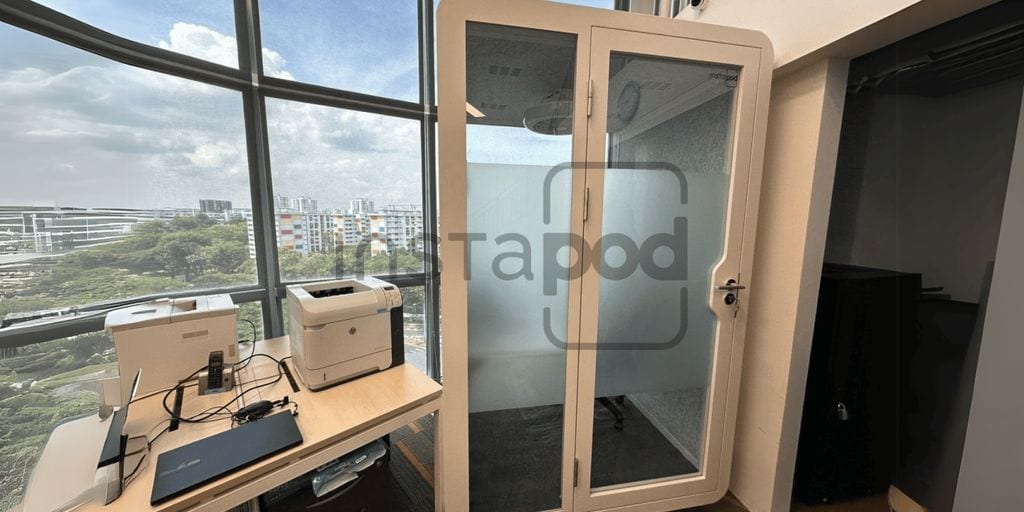
Ever walked into an office and felt like you were in a bustling marketplace? That constant hum of conversations, phone calls, and keyboard clicks can really mess with your ability to get things done. It’s not just annoying; it actually makes it harder to focus and be productive. But don’t worry, there are ways to fix this. We’re going to look at how office noise impacts work and some smart solutions, especially how acoustic pods can help bring some peace and quiet back to your workspace.
Key Takeaways
- Office noise, especially chatter, really hurts how much work people can do.
- Simple fixes like soft materials and smart layouts can make a big difference in noisy offices.
- Knowing where to put sound-absorbing stuff is key to making it work right.
- Design elements like special panels and even plants can help soak up sound.
- Acoustic pods are a great way to give people private, quiet spots, helping everyone focus better in open offices.
The Impact Of Office Noise On Productivity
Office noise is more than just a minor annoyance; it significantly impacts how well employees can focus and perform their jobs. It’s like trying to concentrate on a complex task while someone is constantly tapping their pen or having a loud conversation nearby. It’s tough! Let’s explore the specific ways noise affects productivity.
Understanding The Distraction Of Speech
Speech is probably the biggest culprit when it comes to office distractions. Think about it: our brains are wired to pay attention to language. Even if you’re not actively listening, your mind is still processing the words, which takes away from your ability to concentrate on your work. It’s especially bad if you can only hear snippets of conversations, because then your brain tries even harder to fill in the gaps. This is why office privacy pods are becoming so popular; they help contain those distracting conversations.
The Link Between Noise And Reduced Output
Studies have shown a clear connection between noise levels and reduced productivity. When people are constantly bombarded with noise, they make more mistakes, take longer to complete tasks, and experience higher levels of stress. It’s not just about being annoyed; it’s about the actual cognitive load that noise places on your brain. The more noise, the harder your brain has to work to filter it out, leaving less mental energy for the task at hand.
Why Open Offices Struggle With Acoustics
Open office layouts have become increasingly popular in recent years, but they often create acoustic nightmares. Without walls or barriers to absorb sound, noise travels freely throughout the space. Hard surfaces like concrete floors and glass walls only make the problem worse by reflecting sound and creating echoes. It’s a recipe for distraction and reduced productivity. Many companies are now looking at solutions like soundproof office pods to combat this issue.
Open offices can be great for collaboration, but they often fail when it comes to acoustics. The lack of sound absorption and the constant flow of noise can make it difficult for employees to concentrate, leading to decreased productivity and increased stress. It’s a trade-off that many companies are now re-evaluating.
Here’s a quick look at how noise can impact different aspects of work:
| Impact Area | Description | Task | Time to Complete (No Noise) | Time to Complete (Constant Office Noise) |
| :—————– | :——————————— | :————————————— |
| Simple Data Entry | 2 minutes | 3 minutes |
| Complex Report Writing | 30 minutes | 45 minutes |
| Creative Brainstorming | 15 minutes | 25 minutes |
Here are some tips to improve office acoustics:
- Rearrange the office layout to create quieter zones.
- Use soft materials like carpets and curtains to absorb sound.
- Consider installing acoustic panels on walls and ceilings.
Solutions For Common Office Acoustic Problems
Addressing Echoing Spaces With Soft Materials
If your office feels like you’re shouting into a canyon, chances are you’re dealing with echoing. The key here is to introduce soft, sound-absorbing materials that break up sound waves. Think of it like adding ‘fuzz’ to the space.
- Acoustic panels on walls and ceilings are a great start.
- Consider thicker curtains or drapes, especially for large windows.
- Even adding more plants can help (more on that later!).
One simple trick is to look for the largest, flattest surfaces in the room – walls, ceilings, even large desks – and target those first. Covering even a portion of these surfaces can make a noticeable difference.
Tackling Lack Of Speech Privacy
Ever feel like everyone can hear your phone calls? That’s a speech privacy issue. It’s not just about confidentiality; it’s about focus. Nobody wants to be distracted by snippets of other people’s conversations. One solution is to consider speech privacy systems. Here’s what you can do:
- Implement sound masking technology. This introduces background noise that makes it harder to understand conversations.
- Increase the physical separation between workspaces. Think higher cubicle walls or strategically placed screens.
- Acoustic pods are a fantastic option for creating private call or meeting spaces.
Managing Excessive Noise From Calls And Meetings
Open offices can quickly become cacophonous with the sounds of calls, meetings, and general chatter. It’s like a constant low-level hum that grinds away at productivity. To manage this, you need to contain the noise at its source. Consider these options:
- Designate specific areas for phone calls and meetings. This helps concentrate the noise in one area.
- Encourage the use of noise-canceling headphones for individual work.
- Install acoustic panels or screens around noisy areas to absorb sound.
Here’s a simple table to illustrate the effectiveness of different solutions:
| Solution | Noise Reduction (dB) | Cost |
|---|---|---|
| Acoustic Panels | 5-10 | Moderate |
| Sound Masking | 3-5 | Low |
| Acoustic Pods | 20-30 | High |
| Noise-Canceling Headphones | 15-25 | Low-Moderate |
Strategic Placement Of Acoustic Treatments
Identifying Hard Surfaces For Treatment
Okay, so you’ve decided to get serious about office acoustics. Good move! But where do you even start? Well, the first step is to play detective and identify all the hard surfaces in your office. Think about it: glass, concrete, hardwood floors, and even those sleek, modern desks. These are all sound reflectors, and they’re probably contributing to the echo and noise issues you’re trying to solve. Walk around, clap your hands, and listen for where the sound bounces back the most. That’s where you need to focus your attention.
Optimizing Sound Absorption In Key Areas
Once you’ve ID’d the culprits, it’s time to think strategically about where to place your acoustic treatments. The goal is to interrupt the sound waves before they have a chance to bounce around the room. High-traffic areas, meeting rooms, and spaces with lots of hard surfaces are prime candidates. Consider using soundproof office pods in these areas to contain noise at its source. Think about where people spend the most time talking or where noise is most disruptive. Those are the spots to prioritize.
The Rule Of Thumb For Acoustic Material Application
There’s a simple rule of thumb that can guide your acoustic treatment placement: focus on the shortest distance between hard surfaces. Sound waves will bounce off the closest hard surfaces. So, if you have a bare wall directly opposite a large window, that’s a key area to treat. You could use acoustic wall panels on the wall or acoustic curtains on the window. The idea is to break up the sound path as quickly as possible. Also, don’t forget about the ceiling! It’s often overlooked, but it’s a huge reflective surface.
Think of it like this: you’re trying to create a "softer" sound environment. The more soft, absorbent materials you introduce, the less echo and reverberation you’ll have. It’s not about completely eliminating sound, but about controlling it to create a more comfortable and productive workspace.
Here’s a quick guide:
- Walls: Acoustic panels, fabric-wrapped panels, or even tapestries.
- Ceilings: Suspended acoustic clouds or tiles.
- Floors: Carpets or rugs, especially in high-traffic areas.
- Windows: Acoustic curtains or blinds.
Enhancing Office Acoustics With Design Elements
Integrating Acoustic Paneling And Tiles
Let’s be real, bare walls and ceilings are acoustic nightmares. They bounce sound all over the place, creating that echo-y, distracting office environment we all hate. Acoustic paneling and tiles are your first line of defense. Think of them as sponges for sound, soaking up those annoying reflections and reducing overall noise levels. The cool thing is, they come in a ton of styles, colors, and materials, so you can actually make them a design feature instead of an eyesore. You can even get custom prints to match your company branding. It’s a win-win!
Utilizing Sound Dampening Furniture And Textiles
Furniture isn’t just for sitting; it can also be a secret weapon in your acoustic arsenal. Soft, plush furniture absorbs sound much better than hard, reflective surfaces. Think about it: a fabric-covered sofa will do a better job than a metal bench. And don’t forget about textiles! Rugs, curtains, and even tapestries can make a huge difference.
Here’s a quick rundown:
- Upholstered furniture: Sofas, chairs, and ottomans with thick padding.
- Rugs and carpets: Especially those with a high pile.
- Acoustic curtains: Heavy drapes designed to block sound.
Incorporating these elements doesn’t just improve acoustics; it also makes the office feel warmer and more inviting. It’s about creating a comfortable and productive workspace.
Incorporating Plants For Natural Sound Absorption
Okay, this one might sound a little out there, but plants are surprisingly effective at absorbing sound. Plus, they add a touch of nature to the office, which is always a good thing. The leaves and stems help to scatter sound waves, reducing echoes and reverberation. Plus, they look great! Consider these options:
- Living walls: Vertical gardens that create a stunning visual impact and absorb a ton of sound.
- Potted plants: Strategically placed throughout the office to break up sound waves.
- Hanging plants: A great way to add greenery without taking up floor space.
Plants are awesome sound absorbers! Planters, living walls, and Green Walls work beautifully. Species that dampen sound particularly well include fiddle-leaf figs, ferns, palms, peace lilies, rubber plant, weeping fig, and norfolk island pine. As a brilliant bonus, plants purify the air and promote well-being. For inspiration, check out our office pods, an all-in-one living wall system that secures to either side of a Hushoffice pod, turning pod walls into vertical gardens.
The Benefits Of Acoustic Pods For Office Environments
Providing Private Work And Meeting Spaces
Acoustic pods are really changing the game in open-plan offices. They give employees a dedicated, quiet space to focus or have meetings without distractions. It’s like having a mini-office within the office. If you need 3-4 person office meeting pods, there are options available.
Containing Noise At Its Source
One of the best things about acoustic pods is that they trap noise right where it starts. Instead of letting sound spread throughout the office, the pod contains it. This is super helpful for calls, meetings, or even just someone who types really loudly. They insulate noise and lend privacy at once.
Supporting Focus In Open-Plan Layouts
Open offices can be noisy, and that makes it hard to concentrate. Acoustic pods help with this by creating a quiet zone.
Here’s how they help:
- Reduce distractions
- Improve concentration
- Increase productivity
Acoustic solutions like office pods and booths are comfortably quiet, not totally quiet. They convert a distracting ~70dB blare into a calming ~40dB hum. If you are looking for office phone booths, there are options available.
With privacy pods, employees can actually get work done, even in a busy office. They help fully realize the open space concept by giving employees the peace, quiet, and control needed for effective working.
Signs Your Office Needs Acoustic Pods
Are you starting to think your office could really use some acoustic pods? It’s a pretty common problem these days, especially with so many open-plan layouts. Here are some telltale signs that it might be time to invest in a privacy pod.
Frequent Booking Of Main Conference Rooms
Is it always a struggle to book the main conference rooms? If your conference rooms are constantly booked, it could mean employees are seeking private spaces for meetings or focused work that the open office simply isn’t providing. A meeting booth could alleviate this pressure by offering additional, readily available private spaces.
Inadequate Speech Privacy And Visual Isolation
Can you hear your coworkers’ conversations too easily? Or maybe you feel like you’re always on display? Inadequate speech privacy and visual isolation are major signs that your office needs a solution. If sensitive information is being discussed openly, or employees feel uncomfortable with the lack of privacy, it’s time to consider options like a soundproof pod.
Employees Seeking External Spaces For Calls
Are your employees constantly stepping outside to take calls? This is a clear indicator that the office environment isn’t conducive to focused communication. Investing in a telephone booth singapore can provide a quiet, private space for calls, keeping employees comfortable and productive within the office.
If you notice these signs, it’s worth exploring acoustic pod solutions. They can significantly improve employee satisfaction, reduce distractions, and boost overall productivity. Plus, they’re a lot easier to install than you might think!
Practical Tips For Improving Office Acoustics
Investing In Noise-Canceling Equipment
Equipping your team with noise-canceling headphones is a simple yet effective way to combat distractions. These headphones create a personal quiet zone, allowing employees to focus on their tasks without being disturbed by surrounding noise. Beyond headphones, consider noise-buffering microphones for clearer communication during calls and meetings. This can significantly reduce the need for employees to raise their voices, further minimizing noise pollution.
Retrofitting Existing Furnishings With Acoustic Materials
Don’t underestimate the power of retrofitting! Adding acoustic materials to existing furniture can make a surprising difference. Think about lining the underside of desks with sound-insulating foam to absorb noise at shared workstations. You can also attach acoustic panels to the sides of cubicles or desks to create barriers that block sound. Even small changes like these can contribute to a quieter and more focused work environment. Consider these options:
- Acoustic desk dividers
- Sound-absorbing under-desk panels
- Upholstering chairs with sound-dampening fabric
Considering Sound-Absorbing Lighting And Curtains
Lighting and window treatments often get overlooked when addressing office acoustics, but they can play a significant role. Opt for lighting fixtures designed with sound-absorbing materials to reduce echoes and reverberation. Similarly, invest in noise-dampening curtains or blinds to block external noise and improve the overall acoustic environment. These additions not only enhance the aesthetics of the office but also contribute to a more peaceful and productive workspace. For example, ceiling-mounted acoustic paneling can make a big difference in a boomy space with high ceilings.
When deciding where to place acoustic treatments, survey your office space and identify hard surfaces. Focus on treating the surfaces where sound is most likely to bounce, such as walls, ceilings, and floors. Prioritize areas where noise is most problematic, like meeting rooms or open work areas. Remember, the goal isn’t absolute silence, but rather a balanced acoustic environment that supports focus and productivity. Consider office pods as a way to trap noise offenders.
Wrapping It Up
So, there you have it. Dealing with office noise might seem like a big headache, but it doesn’t have to be. Whether you go for something simple like adding more plants or get serious with acoustic pods, the main goal is to make your workspace a better place for everyone. A little bit of quiet can go a long way in helping people focus and feel good about where they work. It’s all about finding what works best for your team and your space, so everyone can do their best work without all the distractions.
Frequently Asked Questions
My office echoes a lot. What should I do?
If your office sounds like an echo chamber, it’s because sound waves are bouncing off hard surfaces. To fix this, add soft, fuzzy things! Think acoustic wall panels, thick curtains, and comfy furniture. Even plants can help soak up some of that extra noise.
Where should I put acoustic treatments in my office?
The best places to put sound-absorbing stuff are on hard surfaces that face each other. Imagine two walls that are close together – treating one or both of them with acoustic panels or soft materials will make a big difference. Look for the shortest distance between hard surfaces and start there.
What are acoustic pods and why are they useful?
Acoustic pods are like mini, quiet rooms within your office. They are great for when you need to focus, make a private call, or have a small meeting without bothering others or being bothered yourself. They trap noise inside, keeping your main office quieter.
How can I tell if my office needs acoustic pods?
You might need acoustic pods if your meeting rooms are always booked, if people complain about not having enough privacy for calls or conversations, or if employees are leaving the office to find a quiet spot to work. These are all signs that your open office is too noisy and distracting.
What are some simple ways to make my office quieter?
To make your office quieter, you can do a few things. Get noise-canceling headphones for your team. Add soft materials like carpets, rugs, and upholstered furniture. You can also put sound-absorbing panels on walls and ceilings, and even use plants to help soak up sound.
Can plants really help with office noise?
Yes, plants are actually pretty good at soaking up sound! Big, leafy plants like fiddle-leaf figs or palms can help reduce echoes and make a space feel calmer. They also make the office look nicer and can even help clean the air.
The post Acoustic Pods 101: Sound Control for Your Office appeared first on InstaPod Singapore.