No pods added to your quote request yet. Add some now for a free quote!
Key Takeaways
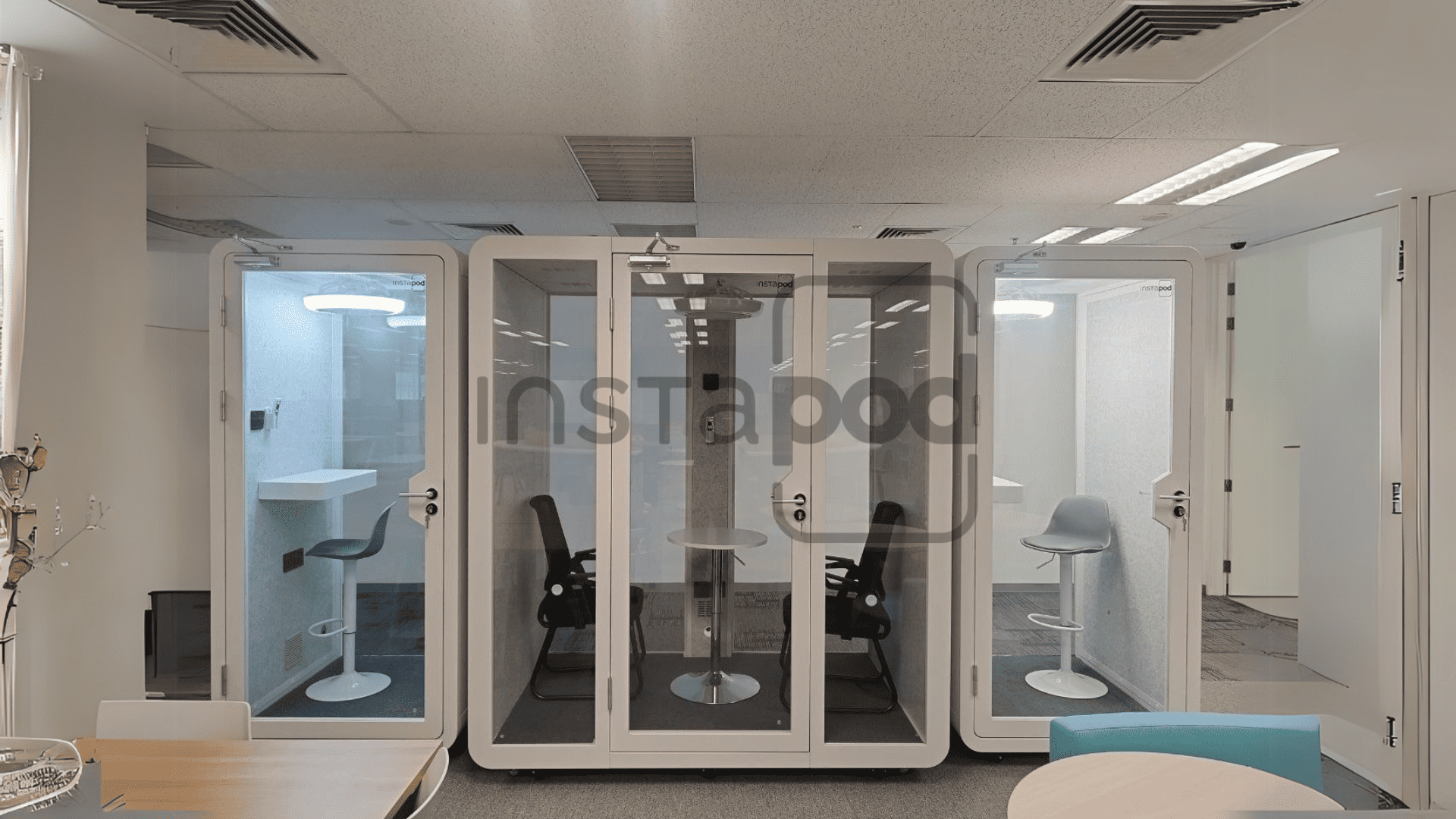
Modern open-plan offices often struggle to balance collaboration with deep work requirements, leading to reduced employee focus. Strategically implementing acoustic solutions helps organizations foster productivity and well-being.
- Privacy pods provide quiet zones for concentration and confidential meetings.
- Implementing these units reduces background noise disruptions significantly.
- Teams gain psychological safety through better control of their environment.
- Data-driven placements ensure these assets deliver measurable productivity returns.
- Flexible, modular designs allow offices to adapt to changing occupancy needs.
The impact of open-office distraction on productivity
The shift toward open-plan office layouts aimed to spark collaboration, but it often introduced a persistent layer of background noise that challenges individual output. Teams frequently find that the lack of physical barriers prevents them from entering a state of total concentration, especially during complex task work. When employees cannot control their immediate auditory surroundings, their professional effectiveness often suffers as they multitask between work and managing external irritants.
Identifying common workplace noise barriers
Noise levels in open offices are rarely static, changing throughout the day as team interactions rise and fall. Common barriers include impromptu hallway huddles, the constant hum of office equipment, and ambient conversation patterns. These obstacles create an environment where staying focused feels like a constant struggle against the tide of surrounding activity.
The link between interruptions and cognitive load
Constant interruptions force the brain to switch contexts repeatedly, which is a major driver of cognitive fatigue for knowledge workers. Each time a person shifts from a deep-work task to address a distraction, it takes significant time to regain momentum and focus. The following breakdown shows how specific types of interruptions affect mental bandwidth:
| Type of Interruption | Typical Recovery Time | Cognitive Impact |
|---|---|---|
| Quick Peer Question | 5-10 minutes | Low to Medium |
| Loud Phone Conversation | 15+ minutes | High |
| Nearby Office Activity | 10-15 minutes | Medium |
By minimizing these specific triggers, workers can maintain their flow state much longer throughout the work day.
Evaluating the cost of lost focus hours
Calculating the tangible cost of frequent disruptions involves more than just counting minutes; it includes the cumulative drop in project quality. When teams realize that interruptions effectively cut into their billed hours or project completion timelines, the need for a solution becomes clear. Implementing a dedicated privacy pod offers a way to reclaim those hours by creating an environment where focus is a constant rather than a luxury.
Feedback from employees on office environment dissatisfaction
Many organizations are finding that employees are increasingly vocal about the lack of quiet spaces available for intense individual projects. When staff members feel they have no recourse for handling loud office dynamics, satisfaction scores often dip as they struggle to perform. Giving employees access to an office privacy pod allows for immediate relief, demonstrating that the leadership team recognizes and acts upon these fundamental spatial constraints.
Enhancing deep work through acoustic isolation
Providing dedicated spaces for quiet tasks is essential in a modern, activity-based office design. When employees can step away from a bustling workstation, they can dedicate their full attention to the work at hand without needing to compensate for ongoing environmental noise. This transition to intentional quiet creates a more sustainable approach to productivity.
How soundproof materials shield workers from ambient noise
Engineered acoustic materials are designed to dampen unwanted sound waves before they reach the user. By integrating panels that absorb reverberations rather than reflecting them, these enclosures effectively create a bubble of stillness. This physical separation prevents exterior sounds from breaching the inner sanctum of the workstation.
Creating a dedicated space for task-heavy projects
Tasks that require high accuracy or creativity demand an environment that enables concentration. Providing a specific, enclosed point for this work ensures that the user is not subjected to the ebb and flow of daily office traffic. Having a set place for deep focus sessions is a strategic move, especially for teams working on tight deadlines who need to block out all external triggers.
Reducing the need for constant background music or headphones
Many office workers instinctively rely on noise-canceling headphones to cope with an over-stimulating environment for hours at a time. While helpful, wearing headphones for the entire day can cause discomfort and isolate workers from their team culture. Offering a soundproof alternative allows them to work in comfortable silence without needing a digital mask.
Personal control as a factor in psychological safety
Employees who have the agency to choose their work environment feel more in control of their professional output. Factors influencing this sense of security include:
- Freedom to enter a space based on immediate task needs.
- Ability to close off visible sightlines to reduce eye-level distractions.
- Assurance that private discussions remain within the unit.
- Personal control over temperature or lighting settings if available.
When staff members trust that their workplace supports their needs, it reinforces professional autonomy and builds morale across the entire organization.
Supporting HR initiatives with flexible workspaces
Human Resources teams benefit immensely when an office layout includes versatile spaces for private, essential interactions. These areas provide the necessary infrastructure to manage sensitive tasks discreetly while fostering a culture of trust and care. By incorporating a privacy pod singapore firms and global offices can accommodate a diverse range of employee requirements seamlessly.
Providing confidential spaces for sensitive one-on-one meetings
Conducting performance reviews, health discussions, or private coaching sessions requires a level of discretion that rarely exists in an open desk area. Having a dedicated booth ensures that these conversations remain strictly between the participants. This prevents the worry of being overheard, which allows for more honest dialogue and meaningful feedback exchanges between HR leads and staff.
Enhancing employee wellbeing and mental health support
Managing a healthy workplace involves recognizing the need for breaks and private moments during an intense shift. Access to a quiet, enclosed space gives employees a way to decompress without feeling the need to leave the building entirely. This simple benefit serves as a practical tool for improving overall office morale and long-term retention.
Managing individual workspace preferences across diverse teams
Teams are rarely uniform in how they approach work, with some members thriving in group settings while others require total quiet to perform their duties. A flexible office design uses pods to bridge this gap, ensuring that extroverted teams and quiet-taskers can share the same floor plan happily. Providing a mix of open and closed seating ensures that every personality type is catered to by the facility.
Facilitating seamless transition between remote and hybrid collaboration
Hybrid work styles have changed how we think about office time, shifting it toward collaborative meetings rather than solo individual work. As a result, when people come to the office, they often spend hours in back-to-back virtual calls with remote counterparts. Ensuring these meetings do not overwhelm the shared floor space is essential to maintaining harmony in the hybrid office.
Strategic design considerations for HR leaders
Planning for the integration of private spaces requires a careful look at how teams naturally cluster and interact during the day. Balancing these needs means viewing the office as a living, breathing ecosystem rather than just a grid of desks. Thoughtful design turns these units into permanent solutions for long-standing workspace challenges.
Balancing collaborative open-plan layouts with private zones
While collaboration is vital, it must not come at the expense of performance. HR leaders should strategically place privacy pods along the perimeter of high-traffic zones, allowing them to act as acoustic buffering. This creates distinct noise-free areas while leaving the center of the room open for natural team interaction.
Selecting pod sizes for different team functions
Different roles have vastly different requirements for space usage during the day. A solo phone booth or small privacy pod works well for individual concentration, while larger units are better for small team meetings or collaborative sessions. Choosing the right size ensures that floor density remains efficient while meeting the needs of specific functions.
Incorporating natural lighting and ergonomic ventilation features
Comfort is the primary driver of high utilization rates in any office furniture segment. Choosing pods that prioritize clear sightlines and efficient ventilation turns a temporary sanctuary into a pleasant place to work for longer stretches. Units that invite natural light into the structure minimize the feeling of being enclosed and keep the air fresh.
Customizing pod aesthetics to align with company branding
Integration into existing office designs involves matching the look and feel of the pods to the broader interior style. By selecting finishes and colors that complement the established office design, these functional units look like a seamless part of the layout rather than an afterthought. This adds a level of professionalism that reinforces the company culture.
Measuring the ROI of privacy pods
Quantifying the success of space upgrades is crucial for justifying ongoing infrastructure investment in the workplace. Tracking usage data helps leadership understand if the investment has reached its intended target population. These metrics transform anecdotal evidence into actionable business intelligence.
Benchmarking individual performance metrics pre and post-installation
HR leaders can measure the impact of these installations by looking at shifts in productivity before and after they become available. Comparing project cycle times or self-reported task completion efficiency often reveals a positive trend as employees gain access to the right environment for deep work. Using these benchmarks offers the team a concrete way to validate the procurement of modular furniture.
Analyzing frequency of space utilization in high-traffic zones
Understanding how often these pods are occupied is a clear signal of their value to the team. High utilization rates in areas near common breakout spots suggest those parts of the office were especially starved for quiet options. Monitoring this data allows HR to decide if more units are needed or if current placements have balanced the space effectively.
Monitoring impact on employee turnover and satisfaction scores
Employee surveys often reflect the frustrations caused by a noisy, open office. By keeping track of satisfaction scores specifically related to environment, companies can see how improvements directly correlate to happier teams. Lowering turnover rates often starts with providing an office environment that respects employees’ individual needs for quiet and privacy.
Assessing the long-term value of modular, movable furniture
Unlike fixed room builds, modular pods are assets that can grow and change with the company. If teams grow or the office layout shifts, these units can be easily relocated to new areas as needed. This flexibility ensures that the company gets maximum utility out of its capital investments for years to come.
Best practices for successful workplace integration
Bringing in new facilities is a project that benefits from a human-centered approach. Engaging the team in the process helps ensure that the new additions meet their needs and are integrated into their daily work flow effectively. Success hinges on clear communication and ongoing maintenance efforts.
Conducting a pre-installation audit of environmental pain points
Before deciding on the number or location of units, it is smart to assess exactly where noise is the biggest issue. Identifying high-traffic zones or desks near loud machines helps teams decide where the pods will offer the most significant relief. This diagnostic phase prevents wasteful spending and ensures high-impact placement in the office.
Establishing clear usage guidelines for teams
To ensure everyone has access to these resources, teams benefit from shared protocols for booking and limits on time per session. Providing transparency about how to reserve the space ensures that nobody feels excluded or frustrated when they need access. These rules should be simple and fair to ensure the equipment is treated with respect.
Collecting ongoing user feedback to optimize pod placement
Even after installation, the office environment changes as teams grow. Periodically checking in with employees about the pods’ availability and placement helps leadership spot opportunities for further layout adjustments. This agile approach to facility management keeps the team happy.
Planning for easy maintenance and routine deep cleaning
Keeping the pods clean and functional requires a set schedule similar to other office equipment. Ensuring they remain aired out, tidy, and fully powered is vital to maintaining an inviting space for everyone. Proactive maintenance preserves the state of the materials and protects the unit from long-term wear and tear.
Conclusion
Creating a balanced workplace requires a strategic approach to both physical layout and employee experience needs. By investing in tools that offer flexibility and quiet, organizations can effectively support the diverse needs of their staff while fostering a culture that truly values deep focus. These improvements not only address immediate noise distractions but also contribute to a healthier, more sustained level of professional performance and long-term satisfaction.
Frequently Asked Questions
Are privacy pods permanent or temporary installations?
They are modular, meaning they are designed to be freestanding and semi-permanent. This allows teams to move them or rearrange them as floor plans change or offices relocate.
Do these pods improve the sound quality for virtual meetings?
Yes, by providing an enclosed, acoustically shielded space, they minimize room echoes and background hums. This makes communication much clearer for colleagues on the other end of a video call.
Can pods be installed in any office floor plan?
Most modern commercial floor plans can accommodate them because they do not require extra ventilation, lighting, or structural walls. They simply connect to existing power supplies to function correctly.
Is it easy to maintain the cleanliness of a used booth?
Routine cleaning practices involve standard disinfecting of surfaces and vacuuming floors. They are designed for high-traffic use and typically use hard-wearing materials that hold up well to frequent cleaning.
Are there different sizes of units available for teams?
Manufacturers offer options ranging from single-person phone booths to larger, multi-person spaces. This makes it possible to address both individual task focus and small group collaborative requirements.
How does management know if the investment is worth it?
Tracking usage frequency and conducting employee surveys on environmental satisfaction are common ways companies prove value. These data points demonstrate that the employees appreciate and frequently rely on the available quiet zones.
Do these spaces need to be professionally ventilated?
Most high-quality units come with integrated ventilation systems that move air without adding noise. This ensures the occupant stays comfortable even during longer, focused work sessions.