
3 Signs Your Office Needs a Meeting Pod
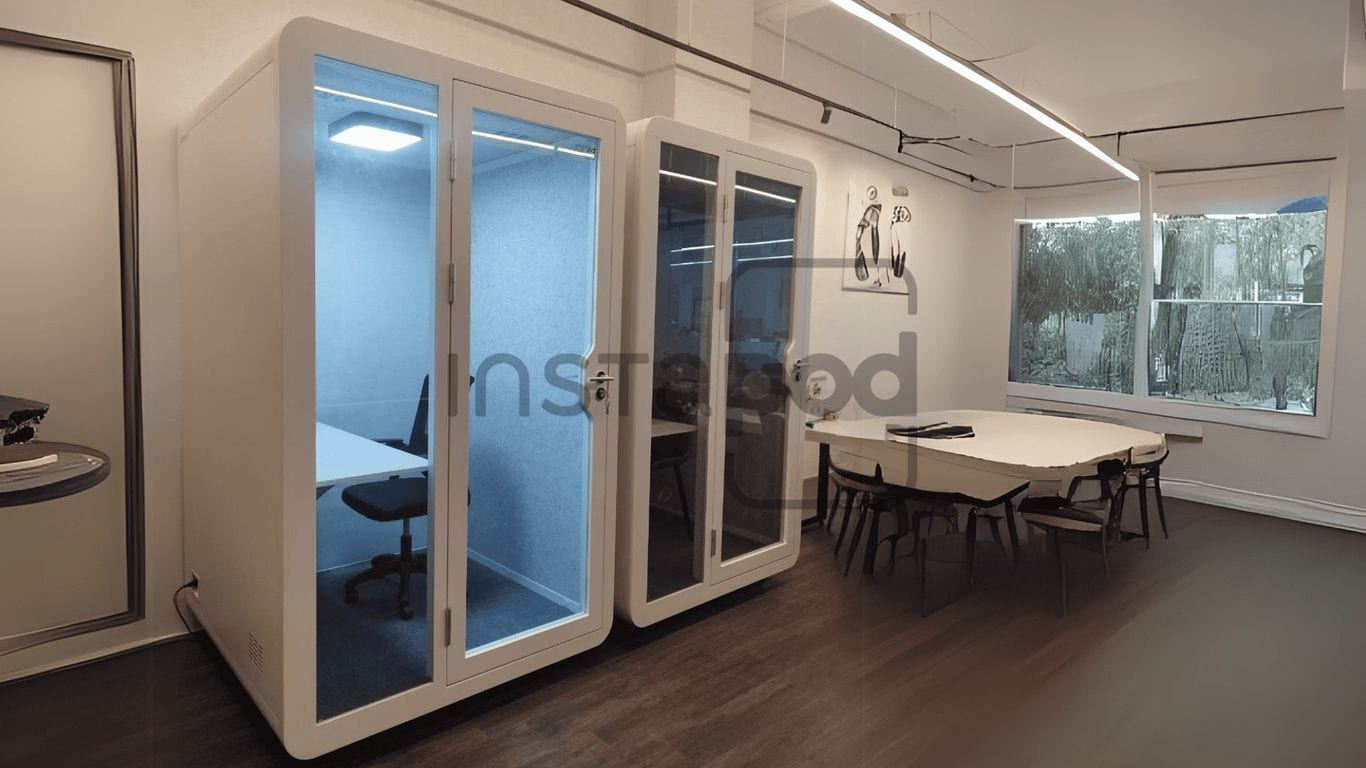
Open offices were supposed to be great for teamwork and energy. But sometimes, all that openness just means more noise and fewer places to get actual work done. If your office feels like a constant buzz of chatter and ringing phones, you might be missing a key piece of the puzzle. We’re talking about meeting pods – little quiet zones that can make a big difference. Here are some signs your workplace could really use one.
Key Takeaways
- When phone calls spill into every corner of the office, it’s a clear sign that dedicated spaces for private conversations are needed. A meeting pod offers a solution for this.
- If desks and break areas are constantly being used for impromptu meetings, it means there aren’t enough formal or semi-formal spaces available. Meeting pods can fill this gap.
- When colleagues struggle to concentrate due to background noise and interruptions, their ability to do focused work suffers. A meeting pod provides a quiet retreat.
- If employees are booking larger meeting rooms just to work alone, it shows a lack of suitable private spaces for individual tasks. Meeting pods can free up meeting rooms and serve this purpose.
- Hybrid calls can be disruptive and awkward in noisy open-plan areas. A soundproof meeting pod ensures clearer communication and a more professional experience for remote participants.
Phone Calls Happening Everywhere
It feels like no matter where you go in the office, someone’s on a phone call. You’re trying to focus on your work, but then you hear a loud conversation from the desk next to you, or someone pacing by the coffee machine while talking to a client. It’s not just annoying; it makes it really hard for anyone nearby to concentrate.
This usually happens because there just aren’t enough private spots. When people don’t have a dedicated place to take calls, they end up using whatever space is available – their own desk, a walkway, or even a corner of the break area. This creates a constant buzz of noise that spreads everywhere.
Here are some signs this is becoming a problem:
- Colleagues frequently apologize for background noise during their calls.
- Sensitive conversations, like HR discussions or client updates, are happening out in the open.
- People are wearing noise-canceling headphones all day, not just for music, but to block out constant chatter.
- You see people wandering around, looking for a quiet corner to make a quick call.
It’s stressful for the person on the call and super disruptive for everyone else trying to get work done. Plus, it makes the office feel less professional when important conversations can be overheard.
When phone calls spill into every available space, it’s a clear signal that the office lacks the necessary private zones for communication. This isn’t just about noise; it’s about privacy and the ability for employees to conduct business without disturbing their colleagues or compromising sensitive information.
Having dedicated spaces, like meeting pods, gives people a clear place to go. This contains the sound and keeps the main office area much quieter and more productive for everyone.
Meetings Taking Over Desks And Breakout Areas
It’s a common sight in many offices these days: a couple of colleagues huddled around a desk, trying to have a quick chat, or a small group using a corner of the break area for an impromptu discussion. When there aren’t enough dedicated spots for meetings, people start improvising, and that’s usually not ideal. What should be a brief catch-up can quickly turn into a disruption for everyone nearby. Desks get repurposed, leaving less space for actual desk work, and breakout areas, meant for relaxation or informal collaboration, end up being occupied by formal or semi-formal meetings.
This often happens because finding a free meeting room feels like a challenge. So, instead of booking a room, people just grab the nearest available space. This can lead to:
- Desk-side meetings becoming the norm, making it hard for people at those desks to concentrate.
- Breakout zones feeling permanently taken over, reducing their usefulness for their intended purpose.
- Teams delaying or avoiding necessary discussions because finding a suitable space is too difficult.
This constant improvisation means the office environment can feel chaotic. It’s not just about the noise; it’s about the loss of dedicated spaces for different activities. A modular meeting pod or a portable meeting pod can offer a solution, providing smaller, more accessible spaces for these kinds of quick discussions without disrupting the main work areas. These office pods can be strategically placed to absorb these smaller meetings, freeing up larger rooms and keeping the general office flow smoother.
When impromptu meetings start spilling into every available nook and cranny, it’s a clear signal that the office’s spatial design isn’t keeping up with the team’s needs. The result is a less functional environment for everyone.
Think about it: a five-minute check-in shouldn’t have to disturb ten other people. But without the right infrastructure, that’s exactly what happens. Investing in solutions like office pods helps reclaim your workspace and ensures that different types of work can happen without stepping on each other’s toes.
Focused Work Becoming Harder
It feels like you can’t get anything done without someone walking by, a phone ringing, or a conversation happening too close for comfort. This isn’t just annoying; it actually messes with your brain’s ability to concentrate. When there’s chatter around, even if you’re trying to ignore it, your mind gets snagged processing those sounds. This uses up brainpower that should be going towards your actual work, like writing reports, analyzing data, or just thinking through a problem.
Think about it:
- Reading comprehension takes a hit.
- Creative thinking feels impossible.
- Complex problem-solving becomes a struggle.
It’s like trying to do a puzzle with half the pieces missing – the background noise just steals the mental space you need.
The constant hum of activity in an open office, especially intelligible conversations, can significantly reduce how much focused work people can actually do. It’s not a matter of willpower; it’s how our brains are wired. Trying to concentrate amidst this kind of noise is like trying to hear a whisper in a crowded stadium.
This constant distraction doesn’t just slow you down; it can make you feel drained and less productive overall. If your team is finding it harder to get into a flow state or complete tasks that require deep concentration, the office environment might be the culprit.
People Booking Meeting Rooms Just To Work Alone
It’s a common sight in many offices these days: a meeting room, meant for group discussions, is booked solid for hours, but when you peek inside, it’s just one person. They’re not having a secret meeting; they’re trying to get some actual work done. This is a clear sign that your office layout isn’t cutting it. When people feel they have no other option but to commandeer a space designed for collaboration just to find a bit of quiet, it points to a bigger problem.
This misuse of meeting rooms creates a domino effect. Firstly, teams that genuinely need those rooms for meetings or brainstorming sessions are left scrambling, unable to book the space. This can halt projects and create frustration. Secondly, the individual in the room isn’t exactly thrilled either; they’re likely feeling a bit guilty about hogging the room and still might not have the ideal setup for focused work. It’s a lose-lose situation.
Here’s what you might be noticing:
- Meeting room calendars showing single occupants for extended periods.
- Colleagues expressing annoyance about the lack of available meeting spaces.
- A general feeling that meeting rooms are either empty or occupied by just one person, never for their intended purpose.
When meeting rooms start serving as personal quiet zones, it signals a critical gap in your office’s spatial design. The office isn’t providing the variety of environments needed for different work styles.
This is where something like a dedicated meeting pod, perhaps a compact meeting pod singapore option, can make a huge difference. These smaller, enclosed spaces are perfect for individuals needing a temporary escape from the open-plan buzz. They free up the larger meeting rooms for their actual purpose and give employees a designated spot to concentrate or take a private call without feeling like they’re inconveniencing anyone. It’s about having the right tool for the right job, and in this case, a meeting pod is that tool.
Hybrid Calls Awkward And Disruptive
Hybrid work is pretty much the norm now, right? But a lot of our offices weren’t really built for constant video calls. When you don’t have a quiet, enclosed spot, these hybrid meetings can get pretty messy. You know the drill: people talking over each other, that annoying echo, and everyone trying to shout to be heard over the general office buzz. It’s just not a good experience for anyone involved.
Think about it:
- Echoes and background noise making it impossible to understand what’s being said.
- People raising their voices just to compete with the office din, which then makes the problem worse for everyone else.
- Nearby colleagues overhearing private conversations or sensitive discussions.
- The overall poor audio quality that leaves everyone feeling frustrated and unproductive.
These calls often end up being more disruptive than productive.
Meeting pods are actually designed for this exact situation. They give you a private space where sound quality is way better, noise doesn’t bleed out, and hybrid meetings just run a lot smoother. It means the person on the other end actually hears you, and you can focus on the conversation, not the chaos around you.
The office environment needs to catch up with how we actually work now. Just having open desks and big meeting rooms isn’t enough anymore. We need spaces that support the way we communicate, especially when some of the team is remote and others are in the office.
Main Meeting Rooms Consistently Fully Booked
It feels like you need to book a meeting room weeks in advance just to have a quick chat with a colleague, doesn’t it? If your main meeting rooms are constantly showing as ‘busy’ on the calendar, that’s a pretty clear signal something’s up. People can’t find a private spot for a quick call, a one-on-one, or even a short team huddle. This often means those important, but brief, interactions are either getting squeezed into noisy open areas, or worse, people are just skipping them altogether.
Think about it:
- Employees are resorting to taking calls in hallways or even stepping outside, regardless of the weather. This isn’t exactly professional, and it’s definitely disruptive for others trying to concentrate.
- Teams find themselves competing for the few available private spaces, leading to awkward standoffs or people giving up.
- The lack of readily available private spaces means confidential discussions or important client calls are happening in less-than-ideal environments.
When the primary, designated spaces for collaboration and focused discussion are always occupied, it creates a bottleneck. It suggests the office layout isn’t matching the actual needs of the people working there. You might have plenty of large rooms, but if they’re always booked, they’re not actually serving their purpose effectively.
The constant struggle to find an available meeting room isn’t just an inconvenience; it’s a productivity drain. It forces workarounds that are unprofessional and disruptive, ultimately hindering effective communication and collaboration within the team. When the main hubs are full, it’s a sign that smaller, more accessible private spaces are desperately needed.
Employees Taking Work Calls In Corridors Or Outside
It’s a common sight these days, isn’t it? You walk through the office, and someone’s on their phone, pacing near the window or even stepping outside into the hallway. This is a clear sign your office is lacking private spaces for calls.
Open-plan offices were supposed to boost collaboration, but they often forget that not all work is loud and public. When there’s nowhere quiet to take a call, people improvise. This means sensitive client discussions, quick team check-ins, or even just a chat with HR might be happening where anyone can overhear. It’s not ideal for the person on the call, who might feel exposed, and it’s definitely disruptive for everyone else trying to concentrate.
Think about it:
- People are constantly apologizing for background noise on calls.
- You can sometimes catch snippets of conversations that were meant to be private.
- Colleagues might be wearing headphones all day, not to listen to music, but just to block out the constant chatter and calls.
This isn’t just about noise; it’s about privacy and professionalism. When employees feel they have to conduct business in less-than-ideal spots, it reflects poorly on the company and can lead to mistakes or misunderstandings.
The need for a dedicated, soundproof space for calls isn’t a luxury; it’s a necessity for a functional modern workplace. Without it, you’re forcing employees into awkward situations that impact both their productivity and the overall office atmosphere.
If you see your team members ducking into stairwells or lingering by the coffee machine for a private conversation, it’s time to consider adding some meeting pods. They offer a simple, effective solution, giving people a place to go so they don’t have to take their calls in the corridor.
Teams Competing For Limited Private Spaces
It feels like a bit of a free-for-all sometimes, doesn’t it? You need a quiet spot for a sensitive client call, or maybe just a few minutes to really concentrate on a tricky report. But then you look around, and every single nook and cranny that offers even a sliver of privacy is already taken. It’s like musical chairs, but with your sanity on the line.
This scramble for space can really put a damper on things. People start feeling territorial, and honestly, it just creates unnecessary tension. You might see colleagues hovering, waiting for someone to finish up, or worse, resorting to making calls in the hallway or even stepping outside, regardless of the weather.
Here’s what that competition for private space often looks like:
- The constant hunt: Employees spend valuable work time just searching for a quiet place, which eats into their actual productivity.
- Compromised conversations: Sensitive discussions, like HR matters or client negotiations, end up happening in more public areas, leading to overheard information and potential breaches of confidentiality.
- Reduced candor: Knowing they might be overheard, people tend to self-censor, making meetings and discussions less open and honest.
- **The
Focus Regularly Broken By Background Noise
It’s tough to get anything done when there’s always chatter. You know, that constant hum of conversations, phone calls, and keyboard clicks? It’s not just annoying; it actually messes with your brain. Studies show that even if you’re not paying attention, your brain is still processing background speech, and that eats up mental energy you need for your actual work. This is called the Irrelevant Speech Effect, and it’s a real productivity killer for tasks like writing, analyzing data, or just thinking through a problem.
Think about it:
- Intelligible conversations: Hearing snippets of other people’s chats, even if you don’t mean to, pulls your focus. Your brain is trying to make sense of it, which takes away from what you should be doing.
- Phone calls echoing: When someone’s on a call and everyone else can hear them, it’s disruptive for everyone. It’s hard to concentrate when a loud conversation is happening right next to you.
- Constant background sounds: The general noise level in an open office can just wear you down. It’s like a low-grade distraction that never really stops.
It’s not about being easily distracted; it’s how our brains are wired. Trying to ignore background chatter is like trying to ignore a flashing light – it’s almost impossible without some kind of intervention. This constant interruption means people are struggling to do deep work, and that’s a problem for getting important stuff done.
The issue isn’t just about loudness; it’s about what your brain can understand. Speech that your brain can process, even partially, is the most disruptive kind of noise. It hijacks your attention whether you want it to or not, making it incredibly hard to stay on task.
Employees Completing Important Work At Home Instead Of Office
It’s a common story these days: your team members are supposed to be in the office, but they’re consistently choosing to do their most important, focus-heavy work from home. Why? Often, it’s because the office environment just doesn’t support the kind of deep concentration needed for complex tasks. The constant hum of activity, the unexpected interruptions, and the general lack of private space can make it nearly impossible to get into a productive flow.
When people feel they can’t get their best work done at their desks, they’ll find somewhere they can. And increasingly, that ‘somewhere’ is their home office, even if they’re technically expected to be on-site.
Here’s what that might look like:
- People are logging into company systems from home on days they are scheduled to be in the office. This isn’t about flexibility; it’s about necessity.
- You notice a significant drop in heads-down work happening on the main office floor. People might be chatting, taking calls, or attending quick meetings, but the deep, focused tasks are happening elsewhere.
- Employees express frustration about not being able to concentrate at their desks. They might mention the noise, the constant movement, or the feeling of being ‘on display’ even when trying to focus.
The office should be a place that attracts people because it offers something valuable they can’t easily get at home. If the primary benefit of coming in is the social interaction, but the cost is the inability to do focused work, then the office loses its appeal for productivity.
This trend isn’t just about individual preferences; it’s a clear signal that the office layout and available spaces aren’t meeting the diverse needs of your team. Without dedicated quiet zones or private areas, the office becomes less of a productivity hub and more of a social club, pushing essential work to the periphery.
Wrapping It Up
So, if you’ve noticed calls echoing down the hall, impromptu meetings hogging desk space, or your team constantly battling distractions, it’s probably a clear sign. Your office might be shouting for some dedicated quiet zones. These aren’t just fancy additions anymore; they’re practical tools that help everyone get their work done without driving each other nuts. Think of them as little sanctuaries for focus or private chats. If your workspace feels more chaotic than productive, it’s definitely time to consider adding some meeting pods or booths. Your team will thank you for it.
Frequently Asked Questions
Why are meeting pods suddenly so popular?
Meeting pods are becoming super popular because many offices are now open, meaning there aren’t many quiet spots. As more people work from home sometimes and come to the office other times (called hybrid work), having small, private spaces for calls or focused work is really important. Pods offer a solution without needing to build new rooms.
What’s the main difference between a phone booth and a meeting pod?
Think of a phone booth as a small, private box mainly for one person to take a quick call. A meeting pod is usually bigger, can fit a few people, and is more flexible. You can use it for short meetings, video calls with a small group, or even for one person to get some serious work done without distractions.
Will meeting pods help my team focus better?
Yes, they absolutely can! In an open office, it’s easy to get distracted by conversations, phone calls, or just general noise. Meeting pods give you a quiet escape where you can concentrate on tasks that need deep thought, like writing reports or solving tricky problems, without being interrupted.
Are meeting pods noisy for people outside?
Good meeting pods are designed to be soundproof, or at least very good at blocking noise. This means conversations or calls happening inside the pod stay inside, so people working nearby in the open office aren’t disturbed. It’s a win-win: the person in the pod has privacy, and others aren’t bothered.
Can meeting pods help with video calls for remote workers?
Definitely! Hybrid meetings, where some people are in the office and some are remote, can be tough in a noisy open space. A meeting pod provides a quiet, professional background for video calls. It helps the person in the office be heard clearly and avoids picking up distracting office sounds.
Is it expensive to get meeting pods for an office?
It can seem like a big purchase, but compared to building new permanent rooms, meeting pods are often more affordable and much faster to set up. Plus, many are modular, meaning you can move them if your office layout changes. There are also options for refurbished pods which can save money.
The post 3 Signs Your Office Needs a Meeting Pod appeared first on InstaPod Singapore.