
Work Pods vs. Hot Desking: Which is Better for Your Malaysian Startup?
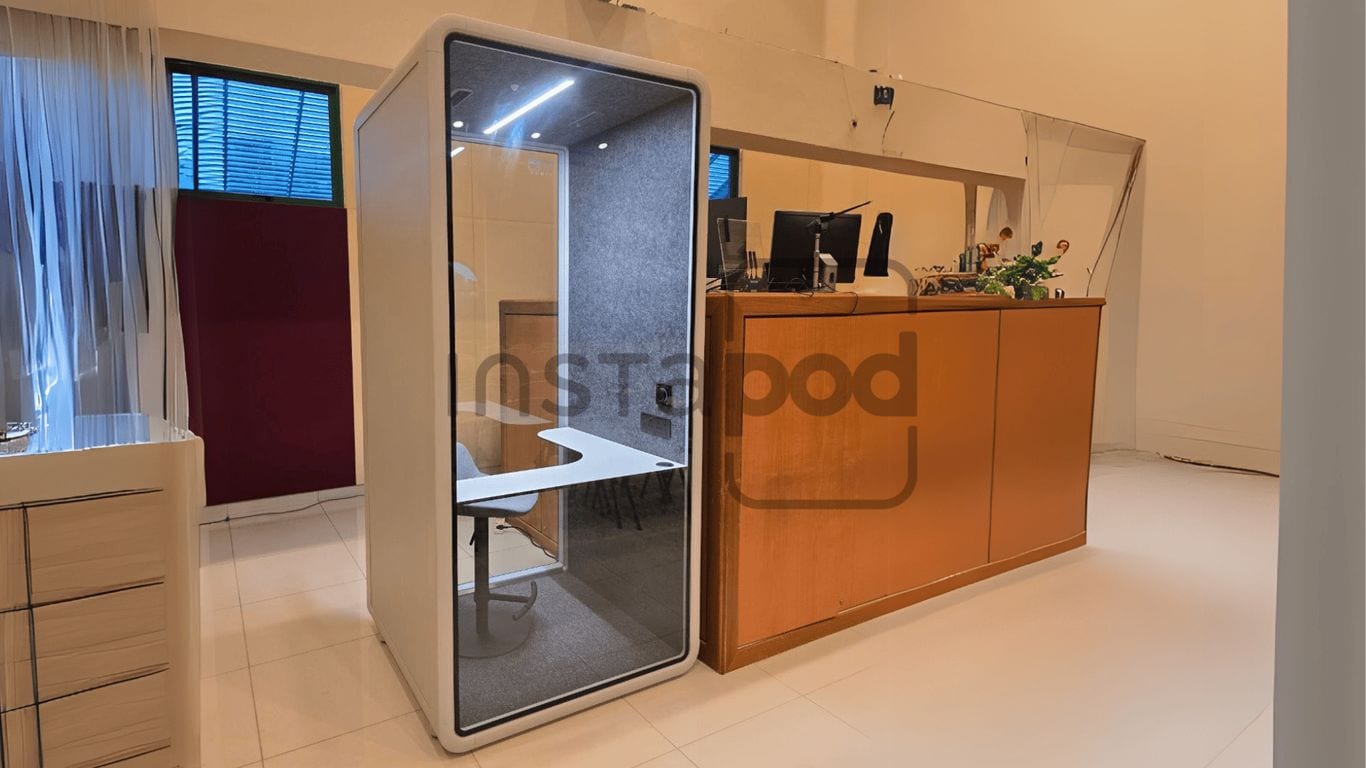
Starting a business in Malaysia is exciting, but figuring out the best office setup can be tricky. You’ve probably heard about work pods and hot desking, and maybe you’re wondering which one actually makes sense for your new company. It’s not just about having a place to sit; it’s about how that space helps your team work better, stay happy, and grow without breaking the bank. Let’s break down these options to see what fits your startup best.
Key Takeaways
- Work pods offer private, quiet spaces ideal for focused tasks, helping your Malaysian startup boost concentration and individual output.
- Hot desking encourages interaction and can save costs by allowing flexible use of shared workspaces, promoting collaboration among startup teams.
- Both work pods and hot desking can be more cost-effective than traditional offices, optimizing space and reducing overhead for lean startups.
- Flexible workspace solutions like work pods and hot desking support employee well-being through adaptable environments and can be scaled easily as your startup grows.
- Choosing between work pods and hot desking depends on your startup’s specific needs: focus on individual tasks or on team interaction and cost savings.
Understanding Work Pods and Hot Desking
Defining the Modern Work Pod
Work pods, sometimes called modular office pods or portable office pods, are essentially small, self-contained units designed for focused work or private conversations. Think of them as mini-offices within a larger open-plan space. These indoor office pods can range from simple, sound-dampening booths for quick calls to more elaborate room office pods with desks, chairs, and even ventilation. They offer a dedicated, quiet zone away from the general office buzz. The primary goal of a work pod is to provide a personal sanctuary for concentration or confidential discussions.
The Concept of Hot Desking Explained
Hot desking is a workplace strategy where employees don’t have assigned desks. Instead, they choose an available workstation when they come into the office. It’s like a library where you pick an empty seat. This system works best in environments with a significant number of remote or hybrid workers, meaning not everyone is in the office at the same time. It’s all about flexibility and making sure office space is used efficiently. A good hot desking setup usually involves a reservation system, either an app or a simple booking sheet, to avoid confusion.
Key Differences for Malaysian Startups
For a startup in Malaysia, the choice between work pods and hot desking boils down to specific needs. Work pods are great for creating pockets of quiet focus within a busy office, which can be super helpful for tasks requiring deep concentration or private client calls. They are like little islands of calm. Hot desking, on the other hand, is more about optimizing the overall office footprint and encouraging interaction when people are in the office. It’s a space-saving approach that can cut down on overheads.
Here’s a quick look at how they stack up:
- Work Pods: Offer private, quiet spaces for individuals. Good for focus and confidential calls. Can be seen as individual
Boosting Productivity and Focus
How Work Pods Enhance Concentration
Work pods, those little enclosed spaces, are like personal quiet zones in a busy office. They’re designed to cut out the noise and visual distractions that can really mess with your concentration. Think of it as having your own mini-office, even if the main office is buzzing. This is super helpful for tasks that need a lot of brainpower, like writing reports, coding, or doing detailed analysis. When you’re not constantly being interrupted or pulled away by what’s happening around you, you can actually get into a flow state and get more done. It’s about giving people a dedicated spot where they can really buckle down without feeling like they’re in a fishbowl.
Minimizing Distractions with Dedicated Spaces
Distractions are the enemy of productivity, right? In a typical open-plan office, you’ve got people talking, phones ringing, and the general hum of activity. This constant background noise can make it tough to focus. Work pods tackle this head-on by offering a physical barrier. They’re often built with sound-dampening materials, so conversations outside don’t easily seep in, and your own calls or focused work don’t disturb others. This is a big deal for Malaysian startups where space might be tight, but the need for focused work is high. Having these dedicated spots means employees don’t have to hunt for a quiet corner or resort to wearing noise-canceling headphones all day, which can sometimes feel isolating.
The Impact on Employee Output
When employees can actually concentrate, their output naturally goes up. It’s not magic; it’s just basic human psychology. Less distraction means fewer errors, faster task completion, and often, a higher quality of work. For a startup, where every bit of efficiency counts, this can make a real difference. Imagine your team being able to complete projects ahead of schedule or come up with more innovative ideas because they had the uninterrupted time to think. It’s not just about working harder, but working smarter. Plus, when people feel like they can get their work done effectively, they tend to feel more satisfied with their job, which is a win-win for everyone involved.
Creating an environment where focused work is possible isn’t a luxury; it’s a necessity for any business aiming for high performance. Providing these quiet havens allows individuals to perform at their best, contributing more effectively to the team’s overall goals.
Here’s a quick look at how different setups can affect focus:
| Workspace Type | Primary Benefit for Focus | Potential Drawback for Focus |
|---|---|---|
| Work Pod | High concentration, minimal distractions | Can feel isolating if overused |
| Hot Desking | Encourages movement, variety of environments | Can be noisy, requires finding a suitable spot |
| Open Plan | Easy collaboration, spontaneous interaction | High potential for distractions, noise |
| Private Office | Maximum privacy, control over environment | Can feel isolating, less spontaneous interaction |
Fostering Collaboration and Connection
When you’re running a startup in Malaysia, getting your team to work well together is super important. It’s not just about having a place to sit; it’s about creating an atmosphere where ideas flow and people feel connected. Both work pods and hot desking have their own ways of doing this, and it really depends on what your team needs most.
Facilitating Teamwork with Hot Desking
Hot desking can actually be a surprisingly good way to get people talking. Since no one has a permanent spot, you naturally end up sitting next to different colleagues each day. This breaks down those usual cliques and encourages you to strike up conversations with people you might not normally interact with. It’s like a daily networking event right at your office.
- Encourages cross-departmental chats: You might end up sharing a table with someone from marketing one day and engineering the next. This can lead to fresh perspectives and unexpected problem-solving.
- Breaks down silos: When people aren’t stuck in their own corner, it’s easier for information to spread and for teams to collaborate on projects.
- Promotes a shared sense of space: Everyone uses the same areas, which can build a feeling of unity and shared purpose.
Creating Opportunities for Spontaneous Interaction
Think about those ‘aha!’ moments that happen when you’re just grabbing coffee or waiting for the printer. Hot desking, with its fluid seating arrangements, naturally creates more of these chances for unplanned chats. These informal moments are often where the best ideas are born or where quick questions get answered without needing a formal meeting.
The beauty of spontaneous interaction is its unpredictability. It’s in these casual exchanges that genuine connections are made and creative sparks can fly, often leading to solutions that a structured meeting might miss.
Balancing Individual Needs with Group Dynamics
While hot desking is great for mixing people up, it’s also important to make sure everyone still feels comfortable and can get their work done. If your team is mostly about quick chats and brainstorming, hot desking might be perfect. But if you have people who need quiet time or specific setups for their work, you might need to think about how to make that happen within a hot desking environment. Maybe you designate certain zones for quiet work or ensure there are enough meeting rooms available for those who need them.
- Designated quiet zones: Even in a hot desking setup, having areas where people can focus without interruption is key.
- Flexible meeting spaces: Ensure there are bookable rooms of various sizes for team discussions or client calls.
- Clear communication: Setting expectations about noise levels and etiquette in different areas helps everyone coexist peacefully.
Cost-Effectiveness for Startups
Starting a business in Malaysia means every dollar counts, right? When you’re just getting off the ground, the thought of shelling out for a long-term office lease, plus all the furniture and setup, can be pretty daunting. It’s a huge chunk of cash that could otherwise go into, you know, actually building your product or getting the word out.
Reducing Overhead with Flexible Solutions
This is where flexible workspaces really shine. Instead of committing to a massive lease, you can opt for solutions that let you pay for what you use. Think about it: no need to buy desks, chairs, or even set up the internet. It’s all there, ready to go. This can slash your initial setup costs significantly. Some reports suggest savings of up to 30-40% compared to traditional office spaces. That’s money you can put back into growing your startup.
- Avoids large upfront capital expenditure on furniture and office fit-outs.
- Eliminates long-term lease commitments, offering more financial freedom.
- Reduces ongoing operational costs like maintenance, utilities, and cleaning.
For a startup, especially in the early stages, minimizing fixed costs is key. It allows for greater agility and the ability to pivot without being tied down by expensive, long-term real estate obligations.
Optimizing Space Utilization
Startups are rarely static. You might have a small team now, but hope to double it in six months. Or maybe you have a period of slower growth. Traditional offices make this tricky. Too much space means you’re paying for empty desks. Too little, and you’re crammed in, which isn’t great for anyone’s productivity or morale. Flexible solutions let you scale your space up or down as needed. Need a few more desks for a new project team? No problem. Things slow down? You can adjust without penalty. It’s about having the right amount of space, at the right time.
The Financial Advantages of Work Pods
When you look at work pods specifically, they offer a focused approach to cost savings. Instead of renting a whole floor or a large open-plan area, you’re renting a contained, private space. This means you’re only paying for the square footage you and your immediate team actually occupy. For smaller teams or those needing a quiet zone away from the main hustle, this is incredibly efficient. You get privacy and focus without the overhead of a larger, less utilized office.
| Feature | Traditional Office Lease | Flexible Workspace/Pods | Potential Savings (Approx.) |
|---|---|---|---|
| Initial Setup Cost | High | Low | Up to 30% |
| Monthly Rent | Fixed | Scalable | Varies |
| Utilities & Maint. | Included/Separate | Often Included | Up to 15% |
| Furniture Costs | High | None | Significant |
Employee Well-being and Satisfaction
When you’re running a startup in Malaysia, keeping your team happy and healthy isn’t just a nice-to-have; it’s pretty important for keeping things running smoothly. Both work pods and hot desking can play a role here, but they do it differently.
Creating Ergonomic and Supportive Environments
Think about how much time your team spends at their desks. If the chairs are bad or the desks are too high, people get uncomfortable, and that can really mess with their focus. Work pods, especially if they’re designed well, can offer a more personalized setup. You might have adjustable chairs and desks that fit each person better. Hot desking can be a bit trickier. While it offers flexibility, it means you need really good, universally adjustable furniture so that whoever sits there next can get comfortable. It’s about making sure the physical space supports people, not hinders them.
- Adjustable seating: Look for chairs that let people change the height, back support, and armrests. This is key for preventing back pain and general discomfort.
- Desk height options: Sit-stand desks are becoming more popular because they let people switch between sitting and standing, which is good for circulation and energy levels.
- Monitor placement: Ensuring screens are at the right height and distance can prevent neck and eye strain. This might mean providing monitor arms or stands.
The Role of Natural Light and Greenery
Nobody likes working in a dark, stuffy room, right? Natural light can really lift spirits and make a space feel more alive. Work pods can sometimes be placed near windows, giving occupants that connection to the outside. With hot desking, the layout of the whole office matters more. If the general office area has good natural light and maybe some plants, everyone benefits, no matter where they sit that day. It’s a simple thing, but it makes a big difference to how people feel during the workday.
A workspace that feels good physically and mentally can lead to fewer sick days and a more positive vibe overall. It shows you care about your people.
Enhancing Work-Life Balance
This is where the flexibility of both options can really shine, but in different ways. Hot desking, by its nature, often goes hand-in-hand with hybrid work models. People might come into the office for specific reasons – meetings, team building – and then head home. This flexibility can help them manage personal appointments or family needs better. Work pods, if they’re part of a larger flexible office setup, can also support this. They offer a quiet space when needed, allowing people to be efficient and get their work done so they can switch off more easily when their workday is over. It’s about creating an environment where people can be productive without feeling chained to their desks all day, every day.
Scalability and Agility
Adapting to Growth with Hot Desking
For a startup that’s just getting off the ground, things can change fast. One month you might have a small team, and the next, you’re hiring like crazy. Hot desking really shines here. It means you don’t have to worry about assigning specific desks to people who might not even be in the office that day. As your team grows, you just need more available spots, not necessarily more permanent desks. This makes it super easy to bring in new hires without a big fuss about office layout. It’s like having a flexible seating chart that adjusts itself.
The Flexibility of Work Pod Solutions
Work pods, on the other hand, offer a different kind of flexibility, especially when it comes to project-based work or specialized teams. Think about a situation where you have a core team that needs to collaborate closely, but then you bring in a few contractors for a specific project. You can easily set up a temporary pod or dedicate a few existing pods to this project team. When the project wraps up, those pods are free again. It’s about having dedicated, yet adaptable, spaces that can be reconfigured or repurposed as your business needs shift. This modular approach means you’re not stuck with unused office space if a team shrinks or a project ends.
Responding to Changing Business Needs
Both hot desking and work pods give your Malaysian startup the ability to pivot quickly. If you need to downsize temporarily or expand rapidly, these flexible office solutions mean you’re not locked into long, expensive leases or rigid office designs. You can adjust your space requirements without major disruption.
Here’s a quick look at how they help:
- Hot Desking: Great for fluctuating team sizes and encouraging cross-team interaction. It means you can scale up headcount without needing to scale up physical desk assignments immediately.
- Work Pods: Ideal for project teams, focused work, or creating temporary collaborative zones. They allow for dedicated spaces that can be easily reassigned.
- Overall: Both systems reduce the need for long-term commitments to physical space, allowing your startup to stay lean and responsive to market changes.
The ability to quickly adjust your workspace is a significant advantage for startups. It means you can allocate resources more effectively, focusing on growth and innovation rather than being tied down by inflexible office arrangements. This agility is key to navigating the dynamic business landscape in Malaysia.
So, What’s the Verdict for Your Startup?
Alright, so we’ve looked at work pods and hot desking, and honestly, there’s no single right answer for every Malaysian startup. Think about what your team actually needs. If your crew thrives on quiet focus and needs their own space, pods might be the way to go. But if you’re all about flexibility, saving cash, and letting people choose where they work each day, hot desking, especially within a coworking setup, really shines. Many businesses are finding that a mix of both, or a flexible coworking space that offers different zones, hits the sweet spot. It’s about creating an environment where your team can do their best work, whatever that looks like for them. The main thing is to pick a setup that helps your startup grow without breaking the bank or cramping your style.
Frequently Asked Questions
What exactly are work pods and hot desking?
Think of work pods as small, private rooms or cubicles where you can work alone or with a small team. They’re like mini offices within a larger space. Hot desking is different; it means you don’t have a permanent desk. You just grab any available desk when you come into the office. It’s like a musical chair for desks!
Which option is better for a startup in Malaysia: work pods or hot desking?
It really depends on your startup’s needs! If your team needs quiet focus and privacy for calls or detailed work, work pods are great. If your team is often out meeting clients or works remotely sometimes, and you want to save money on office space, hot desking might be a better fit. Many startups use a mix of both.
Can hot desking really help a startup save money?
Yes, definitely! With hot desking, you only pay for the desks your team actually uses. This means you don’t waste money on empty desks when people are working from home or on vacation. It’s a flexible way to manage your office costs, which is super important for new businesses.
How do work pods help with productivity?
Work pods offer a quiet escape from the usual office buzz. They give you a private space to concentrate without distractions from chatty colleagues or loud phone calls. This focused environment can really help you get more done, especially for tasks that need deep thinking.
Does hot desking make it harder for teams to work together?
It can, if not managed well. The upside is that hot desking can lead to more spontaneous chats with people from different teams, sparking new ideas. To make sure teamwork doesn’t suffer, companies often set up shared project areas or encourage teams to book meeting rooms when they need to collaborate.
What about employee happiness – which is better for that?
Both can boost happiness if done right! Work pods offer privacy and a sense of personal space. Hot desking offers flexibility and variety, letting employees choose where they want to work each day. Many modern offices also add comfy lounge areas, natural light, and plants to make the whole workspace more pleasant, no matter the setup.
The post Work Pods vs. Hot Desking: Which is Better for Your Malaysian Startup? appeared first on InstaPod Malaysia.