
The Ultimate Guide to Installing Phone Booths in Offices Across Metro Business Hubs
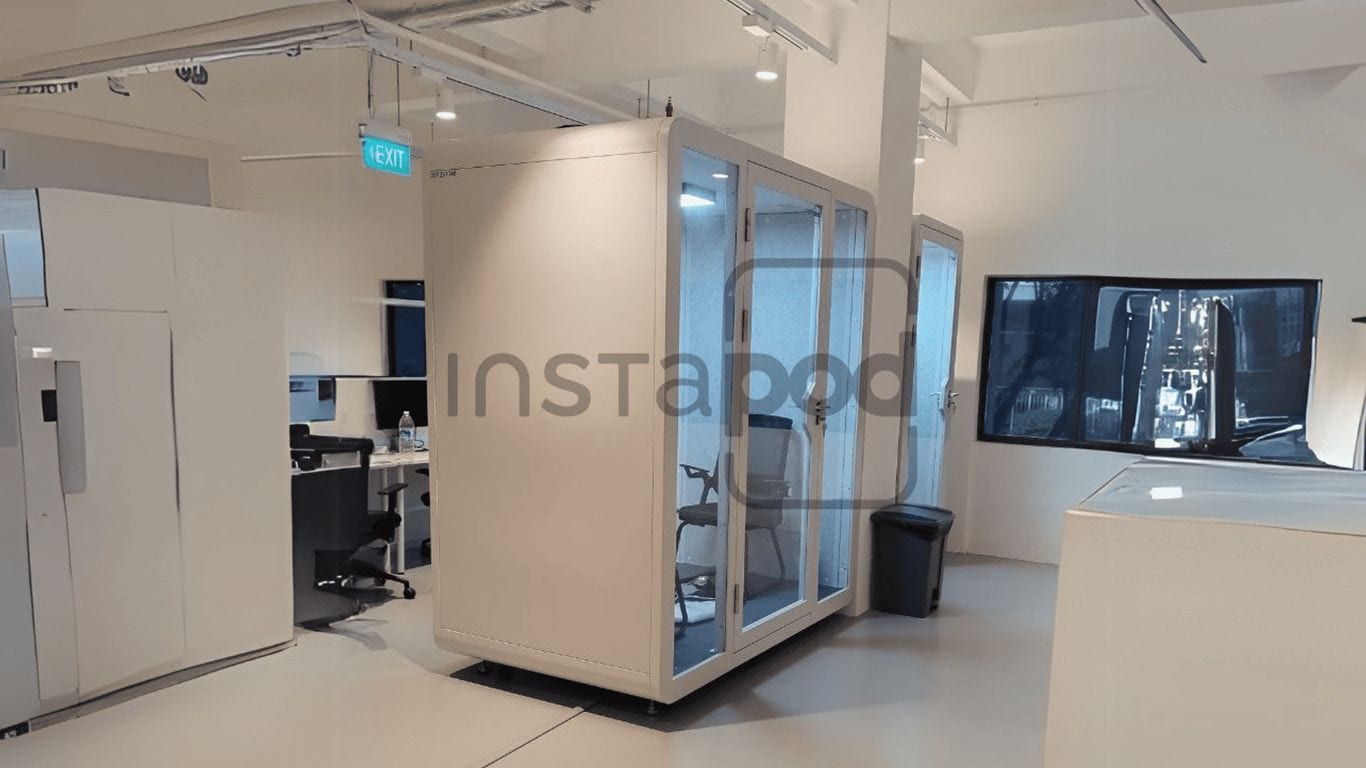
Here are the main things to remember when setting up phone booths in your office:
Key Takeaways
- Phone booths are great for quiet calls and focused work in open offices.
- Plan your installation by checking instructions, picking a good spot, and getting your tools ready.
- Make sure the booth is set up right, with stable parts and working electrical outlets.
- Think about how the booths look and how to add your company’s branding.
- Consider how well the booths block noise to help people concentrate.
Understanding Phone Booth Solutions For Modern Workplaces
So, you’re thinking about getting some phone booths for the office? It’s a smart move, especially with how workplaces have changed. The whole open-plan office thing was supposed to be great for collaboration, and it can be, but let’s be real – it gets noisy. Trying to have a private call or focus on a task when there’s chatter all around can be a real pain. That’s where these office phone booth pods come in. They’re like little quiet zones you can pop into.
Exploring Different Types of Booths and Pods
Not all booths are created equal, you know? You’ve got your basic phone booths, which are usually just big enough for one person and a quick call or video chat. Then there are work pods, which are a bit bigger and might have a small desk or a comfy seat, good for when you need to really concentrate for a while. And if you need something for a small group, there are meeting pods too. The main thing is they all offer a bit of privacy and quiet.
- Phone Booths: Compact, single-person units for calls and quick virtual meetings.
- Work Pods: Slightly larger, offering space for focused individual work or longer calls.
- Meeting Pods: Designed for small groups, typically 2-4 people, for brief discussions.
Identifying Common Applications for Booths and Pods
Where do you actually see these things being used? Well, obviously, in offices. They’re perfect for taking sensitive calls, joining a video conference without everyone hearing, or just getting away from the noise to get some work done. But they’re also popping up in coworking spaces, libraries, and even some retail spots for private consultations. Basically, anywhere people need a bit of quiet space.
The idea is to give people options. Not everyone works best with constant background noise. Having these pods means employees can choose the environment that suits their task.
The Renaissance of Phone Booths in Open Office Environments
It’s funny, phone booths used to be a thing of the past, right? But they’re back, and honestly, better than ever. The open office trend really kicked this off. Companies want that collaborative vibe, but they also recognize the need for personal space and quiet. These office phone booth pods are the perfect compromise. They let you keep the open feel of the office while providing private sanctuaries when needed. It’s about finding that balance, and the best office phone booth solutions really nail it. When you’re looking at office phone booth size, think about how many people will use it and for what purpose – a quick call needs less space than a longer work session. They’re not just for phone calls anymore; they’re for focused work, private chats, and virtual meetings, making them a really useful addition to any modern workspace.
Planning Your Phone Booth Installation
Alright, so you’ve decided to bring some quiet zones into your office. That’s a smart move, especially with all the open-plan setups these days. But before you just start unboxing, a little planning goes a long way. Trust me, I’ve seen projects get messy when people skip this part.
Reviewing Assembly Instructions and Component Lists
First things first, find that instruction manual. Seriously, don’t toss it aside. Take a good look at it before you even think about touching a screw. It’s not just about seeing the steps; it’s about understanding the whole process. What parts are included? What tools are you actually going to need? Sometimes they list things you wouldn’t expect. It’s like looking at a recipe before you start cooking – you want to know if you have all the ingredients and if you’re missing any weird kitchen gadgets.
Selecting the Ideal Location for Your Booth
Where are you putting this thing? This is a big one. Think about how people will use the booth. Is it for quick calls, or longer video meetings? You don’t want it right next to the coffee machine where everyone’s clattering cups, but you also don’t want it so far away that people feel like they’re going on a trek. Make sure there’s enough space around it for people to walk by without bumping into it, and also for you to actually put it together. Measure everything. Twice.
- Consider foot traffic patterns.
- Check for proximity to power outlets.
- Think about noise levels in the surrounding area.
Organizing Materials and Tools for Efficient Setup
Okay, you’ve got the spot. Now, let’s get organized. Unpack everything in a clear area. Lay out all the pieces. It’s a good idea to group similar parts together. You know, all the screws in one pile, all the panels in another. This saves so much time later when you’re scrambling for a specific bolt. And the tools? Get them ready. Having your screwdriver, maybe a level, and anything else the manual calls for right there makes the actual assembly much smoother. It’s like setting up your workspace before a big project.
Assessing Floor Stability and Workspace Preparation
This is something people often overlook. Is the floor where you’re putting the booth nice and level? If it’s a bit wonky, the booth might not sit right, and that can cause problems down the line. You might need some little pads to level it out. Also, clear the area. Get rid of any boxes, chairs, or random stuff that’s in the way. You need room to move around safely while you’re building. A clear space means fewer stubbed toes and less chance of knocking something over.
A stable, level surface is key for the structural integrity of the booth. Don’t skip the floor check; it prevents future headaches and ensures your booth stands strong.
Here’s a quick checklist for your workspace:
- Clear Obstacles: Remove furniture, boxes, and any tripping hazards.
- Check Floor Level: Use a spirit level if possible, and have leveling shims ready.
- Adequate Lighting: Make sure the area is well-lit for visibility during assembly.
Essential Tools and Materials for Booth Assembly
Gathering Necessary Tools for a Smooth Build
Putting together one of these phone booths isn’t rocket science, but you definitely need the right gear. Trying to make do with whatever’s lying around usually just leads to frustration and maybe a stripped screw or two. So, before you even open the box, take a minute to gather what you’ll need. It makes the whole process go a lot smoother, trust me.
Here’s a quick rundown of what you’ll likely find yourself reaching for:
- Screwdriver Set: You’ll want a few different sizes, probably both Phillips head and flat head. If you have a power drill with screwdriver bits, even better – it’ll save your wrists.
- Allen Keys (Hex Wrenches): These are super common for furniture assembly. Often, the kit will include a basic set, but having a slightly larger one can sometimes give you better leverage.
- Spirit Level: This is key for making sure your booth isn’t wobbly. Nobody wants a leaning phone booth. A small one is usually fine.
- Rubber Mallet: Not for hitting things hard, but for gently tapping panels into place or seating connections without damaging the material.
- Tape Measure: Handy for double-checking dimensions or making sure you’ve got enough clearance around the booth before you start.
- Utility Knife: Useful for opening up all that packaging without going overboard and scratching the parts inside.
Having these items ready means you can focus on following the instructions instead of stopping halfway through to hunt for a tool. It really cuts down on the ‘what now?’ moments.
Identifying Key Materials for Booth Construction
Beyond the tools, you’ve got the actual booth parts. Most booths come in a kit, which is pretty convenient. You’ll get:
- The Frame Components: These are usually metal or sturdy composite pieces that form the skeleton of the booth. They’re often labelled, which is a lifesaver.
- The Panels: These are the walls, ceiling, and door. They might be solid, glass, or have acoustic properties. Check them for any damage when you unpack.
- Hardware Pack: This is where all the screws, bolts, nuts, washers, and any special connectors live. Keep this pack sealed until you need it, and maybe have a small container or tray to put them in as you use them so they don’t roll away.
- Seals and Gaskets: These are important for soundproofing and a snug fit. They usually stick on or slot into place.
- Instruction Manual: Don’t underestimate this! It’s your roadmap. Read through it before you start, not just during.
Sometimes, you might need a few extra bits depending on the specific model, like adhesive strips or extra padding, but the kit usually covers the main structure. Just make sure you’ve got a clear, flat space to work in, and you’ll be well on your way.
Maximizing Functionality Within Your Phone Booth
So, you’ve got your phone booth set up, looking sharp and ready to go. But how do you make sure it’s actually useful? It’s not just about having a quiet spot; it’s about making that spot work for you. Think of it like setting up a mini-office that’s just for you, for that important call or focused work session.
Installing Shelves and Support Structures
First things first, you’ll probably want somewhere to put your stuff. A laptop, a notebook, maybe a coffee mug. Most booths can accommodate some basic shelving. You’re looking for simple brackets and shelves that don’t take up too much room but give you that surface area you need. It’s usually pretty straightforward – just a few screws into pre-drilled holes or sturdy mounting points. Don’t skip this step; a little organization goes a long way.
Ensuring Proper Alignment and Secure Fittings
This is where you make sure everything is solid. Once shelves or any other add-ons are in place, give them a good wiggle. Are they stable? Do they feel like they might fall off? You want everything to be snug and secure. This means checking that screws are tight and that any panels or supports are flush where they should be. A wobbly shelf is just annoying, and nobody wants that when they’re trying to concentrate.
Integrating Electrical Outlets and Charging Stations
Let’s be real, most of us need to keep our devices powered up. If your booth doesn’t come with built-in outlets or USB ports, it’s worth looking into adding them. This might involve a simple power strip that you can mount discreetly, or if you’re feeling ambitious, a more permanent electrical installation. Many modern booths are designed with this in mind, offering easy access points for charging. It’s a game-changer for longer calls or video conferences.
Here’s a quick rundown of what to consider for power:
- Built-in Ports: Check if the booth model has these pre-installed. They’re the cleanest solution.
- External Power Strip: A good option if built-in ports aren’t available. Look for one with surge protection.
- Cable Management: Think about how you’ll route the cables so they aren’t a tripping hazard or an eyesore. Clips or ties can help.
Making sure your booth has power and a place for your essentials transforms it from just a box into a truly functional workspace. It’s the small details that make the biggest difference when you need to get things done without distractions.
Creating an Appealing and Branded Booth Environment
So, you’ve got your phone booth assembled, and it’s looking pretty solid. But now comes the fun part: making it look good and feel like your company. It’s not just about having a quiet spot; it’s about making that spot a little piece of your brand.
Selecting Durable and Aesthetically Pleasing Panels
When you’re picking out the panels, think about what you want the booth to say. You need stuff that holds up to people using it daily, but also looks nice. Nobody wants to sit in a dingy booth, right? You can go for panels that help with sound, which is a big plus, or pick finishes that just look clean and modern. Think about the colors too. Do they match your company’s vibe? Maybe you want something calm and neutral, or perhaps something bright and energetic. It all adds up.
Incorporating Company Branding Elements
This is where you really make it yours. Putting your company logo on the outside is a no-brainer. You can use stickers, or even get custom panels printed. Inside, you could add some motivational quotes, or use colors that are part of your brand. Just be smart about where you put it all. You don’t want it to be so much branding that it feels overwhelming when someone just needs to make a quick call.
Ensuring Optimal Panel Placement for Privacy and Light
How you put the panels together matters for how private it feels and how much light you get. Using glass, maybe frosted, can give you privacy without making the whole area feel dark. And the door? Make sure it opens and closes easily. If you’re adding lights, like little LEDs to highlight your logo, make sure they don’t get in the way of actually using the booth. It’s a balance, for sure.
Here’s a quick rundown of what to think about:
- Material Choice: Opt for materials that are easy to clean and can take a bit of wear and tear.
- Color Palette: Stick to your brand’s colors, or choose shades that create the desired atmosphere.
- Logo Placement: Decide if the logo goes on the outside, inside, or both, and how prominent it should be.
- Lighting Integration: Consider soft lighting that complements the design without being harsh.
Making the booth look good isn’t just about appearances; it’s about creating a space that feels intentional and reflects positively on your business. It shows you care about the details, even down to the little quiet spots in the office.
Think about how the panels fit together. You want clean lines and a solid feel. If you’re using different materials, make sure they join up nicely. It’s the little things that make a big difference in how professional it all looks. Plus, good panel work means the booth will last longer and stay looking good, which is always a win.
Considering Soundproofing and Acoustic Performance
Understanding Sound Resistance in Booths
So, you’ve got your new phone booth, and it looks great. But how well does it actually block out the office chatter? It’s a fair question. While no booth is truly "soundproof" – meaning completely silent – they are designed to be "sound resistant." This means they significantly cut down on noise, both from inside the booth escaping out, and from the general office din getting in. Think of it like a good pair of noise-canceling headphones for your workspace. They don’t eliminate all sound, but they make a huge difference in creating a focused environment.
Mitigating Noise Distractions in Open Offices
Open office plans are great for collaboration, but let’s be honest, they can be loud. Constant keyboard clatter, impromptu meetings, and general conversations can make it tough to concentrate on tasks that need quiet. Phone booths act as little sanctuaries. They’re built with materials and designs that absorb and block sound waves. This helps employees who need to take private calls without disturbing others, or those who just need a few minutes of peace to get some deep work done. It’s about giving people options for how and where they work best.
Enhancing Focus Through Sound-Dampening Features
What makes a booth good at keeping noise out (and in)? It’s a combination of things. The panels themselves often have acoustic properties, meaning they’re made to absorb sound rather than just bounce it around. Then there are the seals around the doors and panels; these are important for creating a tight fit that stops sound from leaking through the gaps. Some booths even have double-glazed windows, which add another layer of sound insulation. It’s all about creating a quiet bubble where you can actually hear yourself think.
Here’s a quick look at what contributes to a booth’s sound resistance:
- Panel Materials: Dense, sound-absorbing materials are key.
- Sealing: Gaskets and tight fits around doors and panels prevent sound leaks.
- Construction: Solid frames and well-fitted components reduce vibration transmission.
- Glazing: Double-paned glass offers better insulation than single panes.
When selecting a booth, don’t just look at how it looks. Ask about its acoustic ratings or sound transmission class (STC) if that information is available. This gives you a more objective idea of how well it will perform in a noisy environment. It’s not just about privacy for calls, but also about creating a space where concentration is possible.
Evaluating Costs and Customization Options
Understanding the Factors Influencing Booth Pricing
So, you’re looking at getting some phone booths for the office. It’s a smart move, especially with everyone working in these big open spaces now. But before you jump in, let’s talk about what goes into the price tag. It’s not just about the size, though that’s a big part of it. Think about the materials used – are they basic or high-end? What about the soundproofing quality? Better sound dampening usually means a higher cost. Then there are the extras: built-in charging ports, fancy lighting, or even custom branding. These all add up. It’s like buying a car; a basic model is one price, but add all the bells and whistles, and the cost goes up. You’ll find that booths can range quite a bit, from a few hundred dollars for a simple, smaller unit to several thousand for a larger, feature-rich one.
Requesting Custom Quotes for Specific Needs
When you’re ready to get serious, don’t just pick something off the shelf if it doesn’t quite fit. Most manufacturers are happy to work with you to create something that’s just right for your space and your company. This means you can often get a custom quote. You’ll want to think about:
- Dimensions: Exactly how big does it need to be? Measure your space carefully.
- Features: Do you need a built-in desk, specific shelving, or extra power outlets?
- Materials & Finish: What color panels? What kind of flooring? Do you want glass or solid walls?
- Branding: How will your company logo or colors be incorporated?
Getting a few quotes from different suppliers is a good idea. Send them your specific requirements, and they can give you a much more accurate price than just looking at standard models online. It’s worth the effort to get it exactly how you want it.
Exploring a Range of Booth Styles and Materials
There’s a surprising variety out there when it comes to phone booth styles and the materials they use. You’ve got your minimalist, sleek designs that blend into modern offices, and then there are booths with a bit more character, maybe using wood accents or bolder color schemes. For materials, you’ll see everything from durable laminates and composites to acoustic fabrics and glass. Some booths are designed for maximum privacy with solid walls, while others use frosted glass to let in light while still offering a sense of separation. Think about what vibe you want for your office. Do you want something that feels light and airy, or more enclosed and focused? The choices you make here will affect not only the look but also the price and the booth’s performance, especially when it comes to acoustics.
The initial investment in a phone booth might seem like a lot, but consider the long-term benefits. Reduced noise distractions mean more focused work, which can lead to increased productivity. Plus, providing dedicated quiet spaces shows employees you care about their well-being and work environment. It’s an investment in both your people and your office’s overall functionality.
Here’s a quick look at some typical cost ranges, though remember these are just estimates:
| Booth Type | Estimated Price Range (USD) | Key Features |
|---|---|---|
| Basic Single Booth | $800 – $2,500 | Compact, ventilation, basic lighting, power outlet |
| Standard Booth | $1,500 – $4,000 | Larger, better acoustics, more finish options |
| Premium/Custom | $3,000+ | High-end materials, integrated tech, branding |
Conclusion
Adding phone booths to your office is a smart move, especially in today’s busy work environments. They give people a quiet spot to talk, take calls, or just get some work done without distractions. Planning the installation carefully, picking the right spot, and making sure they look good and work well are all important steps. By following this guide, you can easily set up these useful spaces and help your team be more productive and happier. It’s a simple change that can make a big difference in how your office functions.
Frequently Asked Questions
What exactly is a phone booth for an office?
An office phone booth is like a small, private room you can put in an open office. It’s a quiet place where you can make phone calls, have video meetings, or just get some work done without all the noise around you. Think of it as your own little quiet zone.
Are phone booths really needed in modern offices?
Yes, they are! Many offices today have open layouts, which can be loud and make it hard to focus. Phone booths give people a way to escape the noise when they need to concentrate or have a private conversation. They’re a great way to get the best of both worlds – an open office feel with private spaces available.
How much do these office phone booths usually cost?
The price can change a lot depending on the size, style, and materials used. Some are simple and small, while others are bigger and have more features. It’s best to ask for a price quote for exactly what you need.
Can these booths actually block out sound?
They’re not totally ‘soundproof,’ meaning you can’t hear *anything* at all. But they are very good at blocking sound. They help keep conversations inside private and also stop outside noise from bothering the person using the booth. This means fewer distractions for everyone.
What kind of tools do I need to put a phone booth together?
You’ll likely need some basic tools like screwdrivers, maybe a wrench, and possibly a power drill. The exact tools will be listed in the instructions that come with the booth. It’s always a good idea to check the list before you start.
Can I put my company’s logo on the phone booth?
Absolutely! Many companies like to add their branding to the booths. You can often put logos on the outside, use specific colors that match your brand, or even add quotes. It makes the booth look like it belongs and reminds people who you are.
The post The Ultimate Guide to Installing Phone Booths in Offices Across Metro Business Hubs appeared first on InstaPod Malaysia.