
Space Optimization: Fitting an Office Phone Booth in a Small Floor Plan
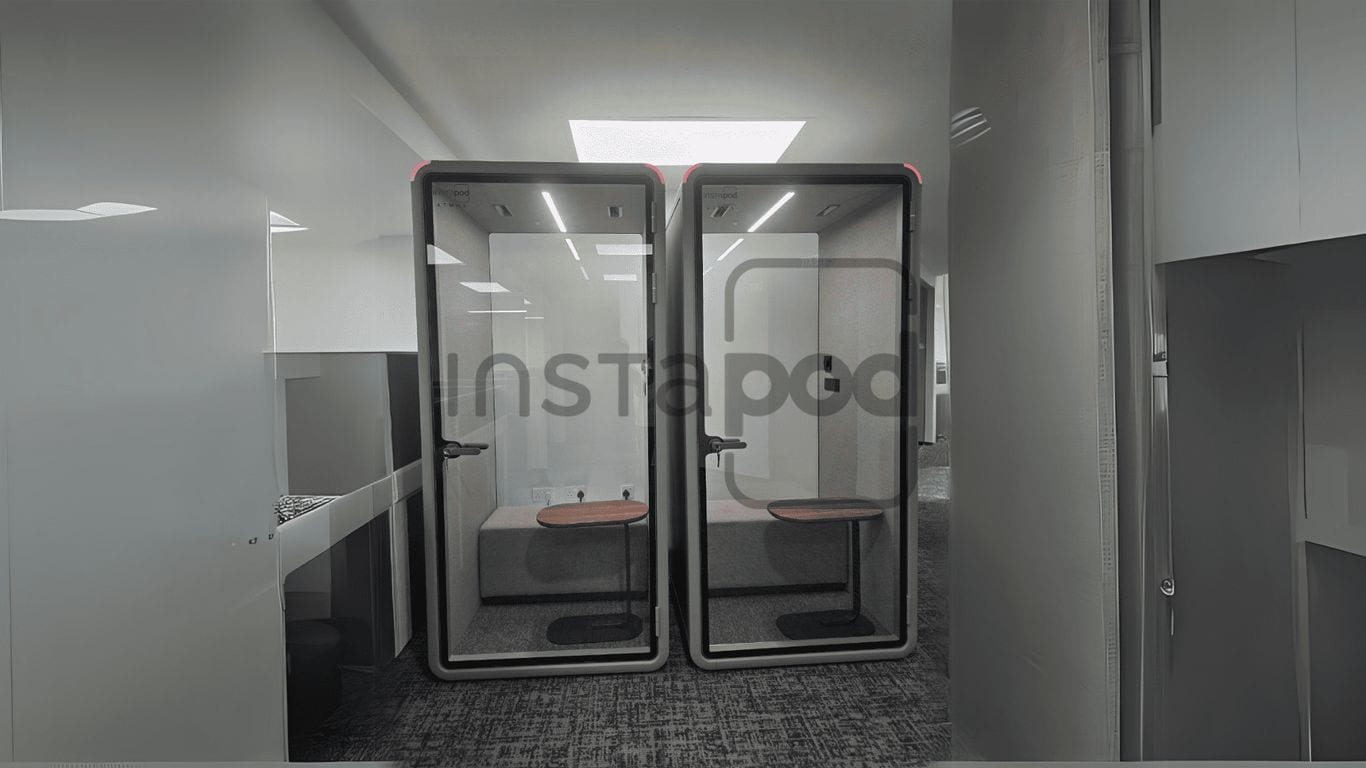
Open offices are great for collaboration, but let’s be honest, they can get pretty noisy. Finding a quiet spot for a private call or some focused work can feel impossible. That’s where the humble office phone booth comes in. These little pods are popping up everywhere, and for good reason. They offer a much-needed escape from the office buzz, helping people concentrate and communicate without disturbing others. Figuring out how to fit one into your existing space, though, might seem like a puzzle.
Key Takeaways
- An office phone booth is a small, enclosed space designed for private calls and focused work, addressing noise and privacy issues in open-plan offices.
- Strategic placement near busy areas, but away from main walkways, balances accessibility with minimal disruption, encouraging usage.
- Determine the number of booths needed by analyzing peak call demand and usage patterns, not just employee headcount.
- Implementing a booking system and clear etiquette guidelines are vital for optimizing office phone booth usage and preventing misuse.
- Effective phone booths prioritize acoustic privacy, good ventilation, comfort, and smart technology for a productive user experience.
Understanding The Need For Office Phone Booths
Open offices were supposed to be the future, right? More collaboration, more energy. But let’s be real, they often just mean more noise. Trying to have a private call or a focused video meeting when your neighbor is on a loud sales pitch can be a nightmare. This is where the humble office phone booth steps in. It’s not just a trendy piece of furniture; it’s a practical solution to some very real workplace problems.
Addressing Open Office Noise Challenges
Noise in an open office isn’t just annoying; it actively hurts productivity. Constant chatter, ringing phones, and impromptu meetings create a distracting environment. For employees who need to concentrate or take sensitive calls, it’s a constant battle. A dedicated phone booth for office use offers a sanctuary, a pocket of quiet where conversations can happen without broadcasting to the entire floor. Think of it as a personal, soundproof bubble.
- Reduced Distractions: Employees can escape the general office din for focused work or important calls.
- Improved Call Quality: Both for the person inside the booth and for those on the other end of the line, who don’t have to contend with background noise.
- Better Acoustic Environment: By containing conversations, booths help lower the overall noise level in the main office space.
Supporting Hybrid Work Models
Hybrid work has changed how we use office space. When people come into the office, they often pack their schedules with meetings and collaborative sessions. This means more people needing private spaces for calls and video conferences, often simultaneously. Traditional meeting rooms get booked up quickly, and using them for a solo 30-minute call feels like a waste of resources.
Phone booths provide flexible, on-demand private spaces that are perfect for the ebb and flow of hybrid schedules. They don’t require major construction and can be moved if the office layout changes.
Enhancing Employee Wellbeing and Focus
Constant noise exposure is stressful. It can lead to fatigue, reduced job satisfaction, and even health issues over time. Giving employees the option to step into a quiet, private space can significantly improve their wellbeing. It shows that the company cares about their ability to do their best work and respects their need for privacy.
- Stress Reduction: A quiet space offers a mental break from the office buzz.
- Increased Job Satisfaction: Employees feel more comfortable and respected when their need for focus is met.
- Boosted Concentration: The ability to escape distractions leads to higher quality work.
Strategic Placement Of Your Office Phone Booth
So, you’ve decided to get some phone booth office space – smart move! But just plopping them down anywhere isn’t going to cut it. Where you put these little privacy havens really matters for how much people actually use them and how well they fit into the daily flow of your office.
Integrating Booths Into Office Zoning
Think of your office like a neighborhood. You’ve got the busy downtown area (collaboration zones), the quiet residential streets (focus areas), and then you need those convenient little shops or community centers. Your phone booths are like those handy spots – accessible but not right in the middle of a loud street. Placing them near open-plan work areas makes sense, so someone can quickly duck in for a call without a long trek. But try to keep them a little away from the main walkways. You don’t want people trying to have a private chat while a parade of colleagues walks by.
Balancing Accessibility and Disruption
This is a bit of a balancing act. You want people to be able to find and use the booths easily, right? If they’re too hidden, nobody will know they exist. But if they’re too close to desks where people are trying to concentrate, the sound from inside the booth, even if it’s muffled, can become a distraction. It’s about finding that sweet spot. Consider placing them at the edges of collaborative zones or near shared amenities like coffee stations, where a bit of foot traffic is expected but not constant. This way, they’re easy to spot and get to, but not so close that they interrupt deep work happening nearby.
Visibility To Drive Usage
If people don’t see the booths, they won’t use them. Making them visible is key. This doesn’t mean putting them smack in the middle of a quiet zone, but perhaps at the end of a main corridor or near a commonly used meeting room. Good signage also helps. Think of it like a retail store – you want your product (in this case, a private space) to be seen. A well-placed booth, perhaps with a bit of clear signage pointing towards it, can significantly increase its utilization. It’s a simple step that makes a big difference in getting people to actually use the phone booth office space you’ve invested in.
When planning where to put your phone booths, consider the natural pathways people take throughout the day. Where do they go for coffee? Where are the main meeting rooms? Placing booths along these natural routes, but slightly off the main path, often works best. It makes them convenient without being intrusive.
Here’s a quick look at some placement ideas:
- Near Collaboration Hubs: Good for quick calls related to ongoing team projects.
- Adjacent to Focus Zones: Allows individuals to step out for a private call without disturbing others in the quiet area.
- Close to HR/Management Areas: Ideal for sensitive conversations that require absolute privacy.
- Along Main Circulation Paths (but slightly off): Balances visibility with reduced disruption.
Determining The Right Quantity Of Office Phone Booths
Figuring out how many phone booths your office actually needs can feel a bit like guesswork, but it doesn’t have to be. It’s not just about dividing your total employee count by some magic number. Instead, we need to look at how people actually use the space and when they need that bit of quiet.
Beyond Headcount: Assessing Peak Demand
Forget just looking at your total employee roster. What really matters is understanding when the most people will need a private space at the same time. Think about your busiest days, maybe when a lot of your hybrid team is in the office, or during a period with lots of client calls. This peak demand is the real driver for booth quantity.
Here’s a simple way to start thinking about it:
- Observe: Spend a week or two watching how people work. When do you see folks ducking into hallways or trying to have a private chat at their desk?
- Count: Try to tally up how many simultaneous private calls or video meetings are happening during peak hours.
- Consider Departments: Some teams, like sales or HR, might have a higher need for private calls than others. Factor this in.
The goal isn’t to have a booth for every single person, but to have enough available when the need is highest. It’s about meeting that critical moment of demand.
Analyzing Usage Patterns
Once you have a sense of peak demand, look at how people are using existing quiet spaces. Are meeting rooms constantly booked for one-person video calls? That’s a clear sign that individual booths are needed. If you notice one phone booth is always occupied while others sit empty, it might point to a placement issue or a need for more booths in that area.
Think about these common scenarios:
- Meeting Room Misuse: When small meeting rooms are taken up by solo calls, it means those rooms aren’t available for actual group collaboration. Booths can free them up.
- Hallway Huddles: If you see people gathering in less-than-ideal spots for private conversations, it’s a direct signal for more dedicated quiet zones.
- The "Always Occupied" Booth: If one booth is consistently in use, it suggests either a shortage in that location or that it’s the only one people know about.
Pilot Testing And Iterative Scaling
Don’t feel pressured to get the number perfect right out of the gate. A smart approach is to start with a reasonable number based on your initial observations – maybe one booth for every 6 to 12 employees, adjusted for your specific office dynamics. Then, put a system in place to track how often they’re used.
- Initial Rollout: Deploy a small batch of booths in key areas.
- Track Usage: Use booking data or simple observation to see how busy they are.
- Adjust: Based on the data, you can either add more booths where they’re needed most or even move underutilized ones to a different part of the office. This way, you’re always refining your setup based on real-world behavior, not just theoretical, needs.
Optimizing Office Phone Booth Usage Through Booking
So you’ve got your shiny new call pods, maybe even a few phone booth conference room setups. That’s great! But just having them isn’t enough. To really get your money’s worth and make sure everyone can actually use them when they need to, you’ve got to have a system. Think of it like booking a meeting room – you wouldn’t just wander in and hope it’s free, right?
Implementing A Reservation System
This is probably the most important step. Without a way to book these spaces, they can quickly become a free-for-all. Someone might grab one first thing in the morning for a quick call and then just stay there all day, leaving no room for anyone else. That’s not fair and it defeats the purpose of having multiple units.
- Set Clear Time Limits: Most systems allow for 30-minute or 60-minute slots. This keeps things moving and gives more people a chance to use the booth.
- Integrate with Existing Tools: If you already use a calendar or room booking software, try to link your phone booth bookings to it. This way, people can see all available spaces – desks, meeting rooms, and call pods – in one place.
- Consider First-Come, First-Served for Some: Maybe not all booths need to be bookable. You could have a couple that are first-come, first-served for those super quick, unplanned calls.
Establishing Clear Etiquette Guidelines
Even with a booking system, people need to know how to behave inside the phone booth conference room. It’s not a private office, but it’s also not a place to have a loud, disruptive conversation.
- Keep Calls Concise: Stick to your booked time. If you need more time, try to rebook if possible, but don’t assume the booth will be free.
- No Food or Drinks: This keeps the space clean and prevents spills. A quick sip of water is fine, but lunch should be eaten elsewhere.
- Clean Up After Yourself: Leave the booth as tidy as you found it. Wipe down surfaces if needed.
- Respect Privacy: Remember that while the booth offers soundproofing, it’s still a shared space. Be mindful of what you discuss.
The goal here is to make these private spaces work for everyone. It’s about creating a culture where people respect the shared resources and understand that these booths are there to help the whole team be more productive and less stressed.
Integrating With Other Workspace Scheduling
To make things really smooth, try to connect your phone booth booking system with your other workspace tools. If your team uses a platform to book desks or larger meeting rooms, adding the call pods to that same system makes life much easier.
- Unified View: Employees can see all available resources in one place, reducing confusion and time spent searching.
- Reduced Conflict: Prevents situations where someone books a meeting room for a solo call because they couldn’t find an available phone booth.
- Data Collection: Helps you gather better data on how all your workspace resources are being used, which is super helpful for future planning.
The Strategic Value Of Office Phone Booths
Ensuring Privacy And Compliance
Let’s be real, not every conversation is meant for the whole office to hear. Think about sensitive HR discussions, confidential client calls, or even just a quick chat about personal health matters. In an open-plan setup, these conversations either get awkwardly whispered or, worse, happen where everyone can pick up bits and pieces. This isn’t just a matter of politeness; for many businesses, especially those in regulated fields, acoustic privacy is a non-negotiable compliance requirement. Phone booths offer a dedicated, soundproof space that lets these important discussions happen without worry, protecting both the company and its employees.
Boosting Productivity And ROI
It might seem like a small thing, but giving employees a quiet place to focus or take calls makes a big difference. When people aren’t constantly interrupted by noise or struggling to find a private spot, they can get more done. Studies suggest that companies can see a return on their investment in phone booths within about six to seven months, mostly through recovered productivity. Plus, by keeping these small calls out of larger meeting rooms, you free up those spaces for actual group collaboration, making better use of your overall office square footage.
Here’s a quick look at the potential financial upside:
| Cost Category | Estimated Range | Notes |
|---|---|---|
| Single-person Booth | $4,000 – $11,500 | Varies by brand and features |
| Multi-person Pod | $8,000 – $20,000 | For small team discussions |
| ROI Breakeven | 6-7 Months | Based on productivity gains |
Informing Real Estate And Design Decisions
These booths aren’t just furniture; they’re data generators. By tracking how often booths are used, when they’re busiest, and who’s using them, you get real insights into your office’s actual needs. This information is gold for making smart decisions about your workspace. Maybe you discover that your large conference rooms are mostly used by just two people, or that certain days are packed with booth usage while others are quiet. This kind of data helps you figure out if you need more or less space in the future, which office layouts are actually working, and where to put your next investment. It turns a simple purchase into a strategic tool for shaping your physical office environment.
Treating phone booths as infrastructure, not just an accessory, is a mindset shift. It means integrating them into your core workplace strategy, not just adding them as an afterthought. This approach helps justify the cost and ensures they actually serve a purpose.
- Identify Peak Demand: Don’t just buy based on headcount. Watch your office for a week or two to see how many private calls or video meetings are happening simultaneously. This gives you a clearer picture of actual need.
- Analyze Usage Patterns: Keep an eye on which booths are used most often and at what times. This data can reveal if certain areas are underserved or if some booths are rarely touched.
- Pilot and Scale: Start with a small number of booths and see how they perform. Use the data collected to decide if you need more, fewer, or if you should rearrange their placement.
Key Features Of Effective Office Phone Booths
When you’re looking at office phone booths, it’s not just about having a small room to step into. You want something that actually works well and makes people’s lives easier. Think about what makes a space truly functional and comfortable for focused work or private calls.
Prioritizing Acoustic Privacy And Soundproofing
This is probably the most important part. Nobody wants their private conversation to be overheard, and equally, you don’t want outside noise constantly interrupting your call. Good booths are built with materials that absorb sound. We’re talking about walls, doors, and even the glass having special properties to block noise. The goal is to keep conversations inside private and to keep the office chatter outside.
- Look for tested sound reduction ratings. Industry standards suggest a certain level of sound reduction is needed to make sure speech isn’t easily understood through the walls.
- Consider the seals around the door and any vents. Even small gaps can let a lot of sound through.
- Think about the overall construction. Solid, dense materials generally perform better than flimsy ones.
The practical goal isn’t perfect silence, but rather speech privacy and a controlled environment for calls or focused tasks. This means minimizing distractions from both directions.
Ensuring Adequate Ventilation And Comfort
Nobody likes feeling stuffy or overheated, especially when they’re trying to concentrate. A good phone booth needs a decent ventilation system. This means fresh air coming in and stale air going out, keeping the CO₂ levels down and the temperature comfortable. Some booths have quiet fans that do this automatically. You want to be able to spend a decent amount of time in there without feeling uncomfortable.
- Airflow: Check how many times the air is refreshed per hour (ACH). Higher is usually better.
- Temperature Control: Ideally, the temperature inside should be similar to the main office.
- Quiet Operation: The fans shouldn’t add to the noise problem.
Designing For Ergonomics And User Experience
It’s not just about sound and air; it’s about how it feels to use the booth. Is there a place to put your laptop or notebook? Is the seating or standing support comfortable? The layout should make sense for different people and different needs, whether it’s a quick call or a longer video meeting.
- Work Surface: A stable surface at a comfortable height is key for jotting down notes or using a laptop.
- Seating/Support: Options for sitting or leaning can make a big difference for longer sessions.
- Space: Enough room to move around a bit, especially for taller individuals or those who prefer to stand.
Integrating Smart Technology And Connectivity
Modern booths often come with built-in tech that makes them more useful. Think about things like good lighting, power outlets for charging devices, and reliable internet or Wi-Fi for video calls. Simple controls for lights and ventilation are also a plus. These features turn a simple booth into a mini, functional workspace.
- Power Outlets & USB Ports: Essential for keeping devices charged.
- Lighting: Adjustable or good quality LED lighting helps with visibility and mood.
- Connectivity: Reliable Wi-Fi or data ports are a must for remote work and video conferencing.
Wrapping It Up
So, adding a phone booth to your office might seem like a small change, but it can really make a difference, especially in those busy open-plan spaces. It’s not just about having a quiet spot for calls anymore; it’s about making your office work better for everyone, whether they’re on a video conference or just need a moment to concentrate. Think of it as a smart investment in productivity and employee happiness, not just another piece of furniture. By planning where you put them and how people use them, these little pods can help your whole office run more smoothly.
Frequently Asked Questions
Why do offices need phone booths now?
Offices today often have open layouts, which are great for talking and working together, but not so great for quiet. When people come into the office a few days a week, they have lots of meetings and calls. Phone booths give everyone a private, quiet spot for these calls or for doing focused work without bothering others or being bothered. They’re like mini private rooms that you can move around if needed.
How much does an office phone booth cost?
For one person, a phone booth can cost anywhere from about $4,000 to over $11,500. Bigger ones for a few people can cost between $8,000 and $20,000. The good news is that companies often get their money back in about 6 to 7 months because people can work better and don’t waste time looking for a quiet spot.
Do I need special permission to put a phone booth in my office?
Usually, no. Phone booths are seen as furniture, not permanent parts of the building. You typically don’t need permits for them, and they don’t require changing the building’s wiring or air systems. However, it’s always a good idea to check with your building’s management just in case there are any specific rules.
How many phone booths should my office get?
Instead of just counting employees, think about how many people might need a private space at the same time, especially on busy days. A good starting point is one booth for every 6 to 12 employees. But the best way is to watch how people use them for a while and then get more if needed. It’s better to have a few extra than not enough.
Where is the best place to put a phone booth?
Put them where people can easily see and get to them, but not where they’ll block busy walkways. Placing them near open work areas or collaboration zones is a good idea. When people see them and know they’re available, they’re more likely to use them for calls or quiet work.
What makes a good office phone booth?
A good phone booth should be really quiet inside so you can talk without being heard. It also needs good airflow to keep the air fresh, especially if someone is in there for a while. It should be comfy to sit or stand in, and have things like a small desk, power outlets, and good lighting for working or taking calls.
The post Space Optimization: Fitting an Office Phone Booth in a Small Floor Plan appeared first on InstaPod Malaysia.