
How Meeting Pods Reduce Noise in Open Offices
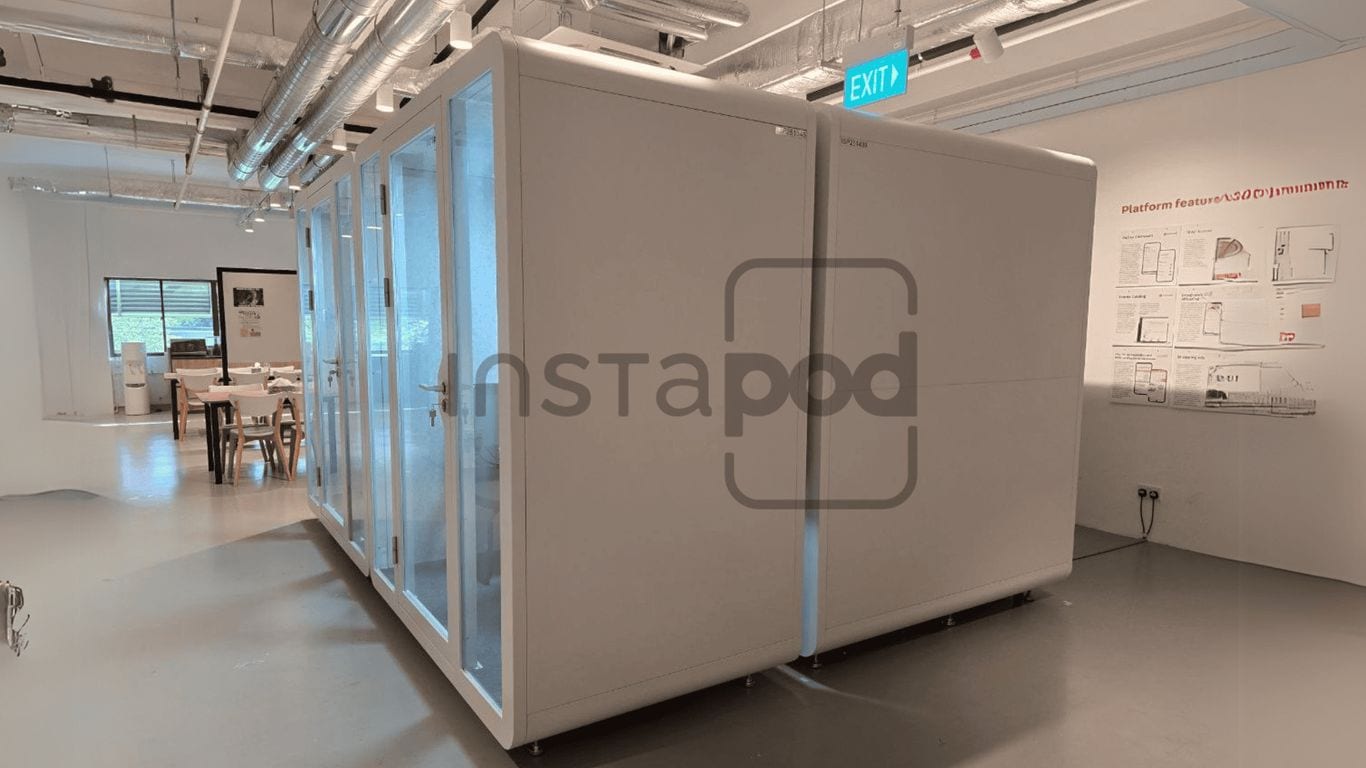
Open offices were supposed to be the future, right? More collaboration, more energy. But for many, it just turned into a constant hum of distractions. That’s where meeting pods come in. Think of them as your personal quiet zone, dropped right into the middle of the office chaos. They’re not just fancy cubicles; they’re designed with sound in mind. These aren’t your grandpa’s cubicles; they’re modern, adaptable spaces built to give you back control over your immediate environment.
Key Takeaways
- Office meeting pods are enclosed spaces designed to cut down on noise and distractions in open-plan offices.
- They use special materials and construction to block out sound, helping employees concentrate better.
- Beyond just quiet, office meeting pods offer privacy for calls and focused work, boosting productivity.
- These office meeting pods can improve employee well-being by reducing stress caused by noisy environments.
- Office meeting pods are a flexible and often cost-effective way to improve office acoustics compared to building new rooms.
Understanding The Need For Quiet In Open Offices
The Persistent Challenge Of Open-Plan Noise
Open-plan offices were supposed to be the ultimate collaboration hubs, right? The idea was that by removing walls, ideas would flow more freely, and teamwork would naturally improve. But let’s be honest, for many of us, it’s turned into a constant battle against distractions. You’ve got phone calls echoing, keyboards clacking away like a drum solo, and conversations overlapping into a general hum that makes concentrating feel like a superpower. It’s like trying to have a quiet chat in the middle of a rock concert, all day long.
This constant background noise isn’t just a minor annoyance; it actively works against getting deep work done. When you’re trying to focus on a complex report or have a sensitive conversation, the surrounding din can be incredibly disruptive. It’s not just about personal preference either. Studies have shown that interruptions significantly impact productivity, and it can take a surprisingly long time to get back into the zone after being pulled away. This makes the kind of focused, uninterrupted work that many jobs require almost impossible for a lot of people.
Think about it: how many times have you been really into a task, only to be jolted out of it by a loud phone call nearby or a group discussion happening right next to your desk? This isn’t just a little hiccup. It leads to what’s called ‘attention residue,’ where a part of your brain gets stuck on the interruption, slowing you down even after the noise stops. For tasks that need creative thinking or deep concentration, this constant barrage can really kill your productivity. Some research even suggests that being exposed to too much office noise over time can lead to mental fatigue and more mistakes.
Impact Of Noise On Employee Well-Being
The biggest problem in open offices is not always loud noise. It is often speech. Human conversation is hard to ignore. Even when people try to focus, the brain keeps reacting to nearby words, tones, and movement. A large survey study found that irrelevant speech in open-plan offices increases noise annoyance and lowers work performance, with stronger effects in open offices than in private rooms. That matters because many office tasks depend on mental focus. Writing, planning, reviewing numbers, answering emails, building presentations, coding, and problem-solving all suffer when attention keeps breaking. A person may still be “working,” but the work takes longer and feels more tiring. This is one reason search terms like open office productivity, office noise distractions, and quiet workspace solutions have become so common. People are trying to fix a problem they feel every day.
In an open office, interruption is built into the layout. Some interruptions are small, like a nearby call, a quick chat, a chair moving, or a person pacing during a meeting. One short distraction may not seem serious. But when it happens again and again, the day starts to fragment.
The research not only shows annoyance. It also shows stress. One study on simulated open-plan office noise found that while immediate task performance did not always drop in a short test, psychological well-being clearly did. Participants showed more stress and worse mood in the noisy open-office condition. That helps explain why many workers feel drained even when they finish their main tasks. The issue is not only time lost, but also mental energy lost.
Open Offices Versus Focused Work
Open offices also create a privacy problem. Employees often need to make calls, join video meetings, discuss sensitive issues, or simply think without feeling watched or overheard. When that privacy is missing, people change their behavior. They speak more softly, delay calls, move around looking for a corner, or avoid important conversations until later. Research on activity-based offices has shown that privacy is strongly tied to performance and productivity. GSA workplace acoustics guidance also points to speech privacy as a core design issue, not a minor extra.
When a workspace does not support focus, people start building workarounds. They wear headphones all day, take meetings from stairwells, book conference rooms for solo work, work from home when they need real concentration, and message coworkers instead of talking because the room feels too exposed.
That is a sign the layout is not doing its job. GSA guidance on workplace sound points to focus rooms as an antidote to distracting conference calls and open-office noise. It also notes that alternative working areas away from the workstation can improve workplace effectiveness. More recent GSA workplace materials also include private phone booths and huddle rooms as part of modern office offerings. In other words, the answer is not always more desks. Sometimes the answer is better space variety.
The core issue is that the very design intended to boost collaboration often inadvertently hinders the deep, focused work that many roles demand. This creates a paradox where the open space meant for connection becomes a barrier to individual productivity and well-being.
How Meeting Pods Function As Acoustic Solutions
Acoustic Insulation and Sound Dampening Materials
Meeting pods, often called soundproof booths, are designed from the ground up to tackle office noise. They use special materials in their walls, ceilings, and floors. Think of these materials like sponges for sound waves – they soak them up instead of letting them bounce around. This means the noise from the open office stays outside the pod, and conversations happening inside don’t easily escape and bother others. It’s a pretty clever way to create a quiet zone.
- Multi-layered panels: Walls often have several layers, with dense materials like mineral wool or foam packed between them. This layering is really good at blocking different kinds of sound.
- Sound-absorbing interiors: The inside surfaces are usually covered with fabric or soft materials that soak up sound, stopping echoes and making conversations clearer for people inside.
- Sealed construction: Good pods have doors and windows that fit tightly. Even small gaps can let a lot of sound through, so manufacturers make sure everything seals up well.
Pods As Physical and Acoustic Barriers
Beyond just the materials, the very structure of a pod acts as a solid block against sound. Sound travels like waves, and when these waves hit a thick, enclosed object like a meeting pod, their energy gets cut down a lot. It’s like trying to talk through a thick wall – most of the sound doesn’t get through.
- Enclosed design: The pod is a self-contained unit, meaning there are no open sides for sound to freely travel.
- Solid construction: The frame and panels are typically made from sturdy stuff that doesn’t vibrate easily, which helps stop sound from passing through.
- Isolation from the main floor: Some pods have special feet or a slight lift that separates them from the building’s structure, cutting down on noise that might travel through floors and walls.
The goal is to create a barrier that significantly reduces the transmission of sound from the busy office environment into the pod, and vice versa. This makes them effective personal quiet spaces.
Creating Pockets of Quiet Within the Office
By combining these elements – specialized materials, a solid physical structure, and smart interior design – office meeting pods effectively create little quiet spots in otherwise noisy open-plan spaces. They offer a ready-made solution for tasks that need deep thought or private conversations, helping employees get into a flow state more easily. This focus boost can really make a difference in how much work gets done and how well it’s done. For tasks that need deep thought, like writing reports or coding, these pods are a lifesaver. They help people get into that flow state much more easily.
Strategic Placement Of Meeting Pods For Maximum Impact
So, you’ve got these neat office meeting pods, but where do you put them to actually make a difference? It’s not just about sticking them anywhere. Think of them as puzzle pieces that help shape your entire workspace. Smart placement is key to unlocking their full potential for noise reduction and focused work.
Creating Functional Zones With Office Pods
Open offices are great for interaction, but they can get loud. Office pods help break up the space. You can create distinct areas for different activities. For example, place a few smaller pods near a busy corridor for quick, private calls. This gives people an escape route from the general hubbub without having to go far. Larger pods can serve as mini-meeting rooms, keeping collaborative energy contained and away from quiet zones.
Pods As Zone Dividers
These pods can actually act as physical and acoustic walls. Imagine a cluster of pods in one corner, creating a dedicated quiet zone for deep work. The pods themselves absorb sound, so the chatter from a nearby team huddle doesn’t bleed into the space where someone is trying to concentrate. It’s like building invisible walls that manage sound flow.
Integrating Pods Into The Office Flow
When you’re thinking about where to put your office meeting pods, consider how they can help manage the soundscape of your entire office. It’s about creating a balanced environment where everyone can do their best work. Here’s a quick look at how to think about placement:
- Near high-traffic areas: Place smaller pods for quick calls or focused tasks.
- Adjacent to collaborative zones: Use pods to buffer noise from busy team areas.
- In underutilized corners: Turn dead space into productive quiet zones.
The goal is to give employees a place to step away from the office noise. Pods create personal quiet zones. This is super helpful for tasks that need intense focus, sensitive discussions, or video conferences where background noise is a real problem. Providing these dedicated quiet spaces supports different work styles and really helps boost overall productivity. It’s a simple way to make the office work better for everyone.
Benefits Of Incorporating Meeting Pods
Noise Reduction and Focus Enhancement
Let’s face it, open offices can get pretty loud. You’ve got the constant hum of conversations, phones ringing, keyboards clacking – it all adds up, right? Meeting pods are like little quiet zones dropped right into the middle of all that. They’re built with materials that soak up sound, so the noise from outside stays out, and your chat inside doesn’t bother anyone else. This means you can actually get stuff done without feeling like you’re in a constant distraction zone. It’s a game-changer for tasks that need real concentration, like writing up a report or coding.
Improved Meeting Efficiency and Privacy
Sometimes you just need to have a quick, private chat with a colleague, or maybe a small group needs to brainstorm without disturbing the whole office. Booking a conference room can be a hassle, and honestly, it’s often overkill for a short discussion. Pods give you that instant privacy. You can have sensitive conversations or focused team discussions without worrying about who’s overhearing. This makes those quick chats way more productive and less disruptive for everyone else. It just streamlines how you get things done.
Supporting Hybrid Work With Dedicated Spaces
With more people working in a mix of office and home, having dedicated spots in the office is a big deal. Meeting pods offer a flexible solution. They can be used for focused work when you need to escape the general office noise, or for virtual meetings where you need a quiet background. They provide a reliable space for employees, no matter their work arrangement, making the office a more welcoming and functional place for everyone.
Pods aren’t just about making things quieter; they’re about creating a more adaptable and respectful workspace. They acknowledge that different people work best in different ways and provide the tools to support that.
Here’s a quick look at what pods bring to the table:
- Sound Control: They significantly cut down on ambient noise.
- Privacy: Offer a secure space for confidential talks or focused work.
- Flexibility: Can be used for individual focus, small meetings, or virtual calls.
- Productivity Boost: Help employees concentrate better and get more done.
Defining The Modern Meeting Pod
Beyond Basic Phone Booths
Forget those old, cramped phone booths you might remember. Today’s meeting pods are a whole different ballgame. They’re designed to be more than just a place to take a quick call; they’re actual mini workspaces. These self-contained units offer a dedicated space for focused work or private conversations, right within the open office. Think of them as adaptable, private rooms that you can place almost anywhere. They’ve evolved significantly, moving past simple sound isolation to become functional extensions of the office environment.
Self-Contained Units For Privacy
What really sets modern pods apart is their self-contained nature. They’re built with specific materials and designs to create a distinct acoustic environment. This means you can step inside and leave the general office noise behind. It’s not just about blocking sound; it’s about creating a controlled space where you can concentrate or speak freely without worrying about who might overhear you.
Here’s what you typically find inside:
- Acoustic Insulation: Walls, ceilings, and floors are made with materials that absorb and block sound. This is the core feature for noise reduction.
- Ventilation: Built-in systems keep the air fresh, so you don’t feel stuffy even if you’re in there for a while.
- Integrated Lighting and Power: Most pods come with their own lighting and power outlets, so you can plug in your laptop or charge your phone without issue.
These pods are a smart, scalable, and stylish way to bring privacy, professionalism, and peace to your workplace without disrupting its layout or aesthetics. They address the inherent noise challenges of open-plan layouts with practical design.
Scalable And Adaptable Workspace Solutions
One of the best things about modern meeting pods is how flexible they are. You don’t need to do major construction to add them to your office. They come in various sizes, from single-person units perfect for deep concentration to larger ones that can fit a small team for a quick meeting or brainstorming session. This scalability means you can add a few here and there as needed, adapting your office layout without a huge overhaul. It’s a practical way to give employees the quiet spaces they need, when they need them, without sacrificing the open feel of the office.
Making A Smart Investment In Office Meeting Pods
A Tangible Solution For Open-Office Problems
Look, open-plan offices have their place, but let’s be real, the noise can be a killer for productivity. Constant chatter, ringing phones, the general hum of activity – it all adds up, making it tough to focus. This is where office pods step in, offering a really practical fix. They’re not just another piece of furniture; they’re a deliberate move to reclaim quiet and concentration. Investing in these units is a direct way to address the acoustic challenges inherent in open layouts. Think of them as building blocks for a more functional workspace, giving employees the control they need over their immediate environment.
Enhancing Employee Experience And Productivity
When you give people the option to step away from the noise into a dedicated, quiet space, good things happen. Productivity gets a boost because focus is easier to achieve. Sensitive conversations can happen without worry, and small team huddles don’t disrupt the entire floor. It’s about creating an environment where everyone can do their best work, regardless of their task. This isn’t just about making people happier, though that’s a nice bonus; it’s about making the office work better for the business too. A less-distracted employee is a more effective employee.
Choosing The Right Pod For Your Needs
So, you’re sold on the idea of meeting pods. Great! But now comes the part where you actually pick one. It’s not a one-size-fits-all situation. You need to think about what you actually need these pods for. Are they mostly for solo deep work, or will they host quick chats between two people? Maybe a small team needs to brainstorm? The size and capacity are key.
Here are a few things to consider:
- Size and Capacity: Match the pod to its most common use. A single-person office booth is great for focus, while a two-person pod works for quick chats.
- Acoustic Performance: Not all pods are created equal when it comes to sound dampening. Check the specs to ensure it offers the level of quiet you need.
- Mobility: Do you need a permanent fixture, or a portable phone booth that can be moved as your office layout changes?
- Features: Some pods come with built-in desks, power outlets, or even ventilation systems. Think about what your team will actually use.
Making an informed choice here means you’re more likely to get a solution that gets used and makes a real difference, rather than just taking up space. It’s about finding the right fit for your specific office dynamics and workflow.
Wrapping It Up
So, when you look at it all, these meeting pods are a pretty solid move for any office trying to quiet things down. They’re not just some fancy furniture; they actually help fix the noise problem that plagues so many open spaces. By giving people a place to escape the constant chatter and distractions, pods make it easier to focus, have private conversations, or just take a breather. It’s about making the office a place where people can actually get their work done without feeling overwhelmed by noise. There are lots of different kinds out there, so finding one that fits your office setup shouldn’t be too hard. It’s a practical way to make the open office concept work a lot better for everyone involved.
Frequently Asked Questions
Why are open offices so noisy, and why do people need quiet spaces?
Open offices can get really loud with everyone talking, phones ringing, and people moving around. This constant noise makes it hard for many people to focus on their work. It can also make people feel stressed and tired. Office pods help by giving you a quiet place to escape from all that noise and distraction.
What exactly is an office pod?
An office pod, sometimes called a work pod or phone booth, is like a small, private room you can place inside a larger, open office. These pods are built using special materials that block out noise, giving you a quiet space to focus or take a private call. Think of them as your personal quiet zone right in the middle of all the office activity.
Do office pods actually block out noise?
Yes, they do! Office pods are built with special materials in their walls, ceilings, and floors that soak up sound. This means the noise from outside the pod stays out, and conversations inside don’t easily escape. They act like mini-fortresses against noise.
Besides reducing noise, what other benefits do office pods offer?
Pods offer privacy for important or sensitive conversations, making meetings more efficient. They also help reduce stress for employees and can improve focus, leading to better work. Plus, they provide a dedicated space for video calls, which is great for hybrid work.
Can office pods help with hybrid work?
Absolutely. With hybrid work, many meetings include people joining from home. Open offices aren’t great for video calls because one person’s call can disturb many others. Pods give people a quiet, dedicated spot for these calls, ensuring better sound for everyone and less disruption for the office.
Is investing in office pods a good idea for a company?
Yes, it’s often a smart investment. Pods offer a real solution to the common problems of noise and distraction in open offices. They help make the workplace better for employees, leading to improved focus and productivity. It’s about creating a space where people can do their best work.
The post How Meeting Pods Reduce Noise in Open Offices appeared first on InstaPod Malaysia.