
How Meeting Pods Reduce Noise in Open Offices
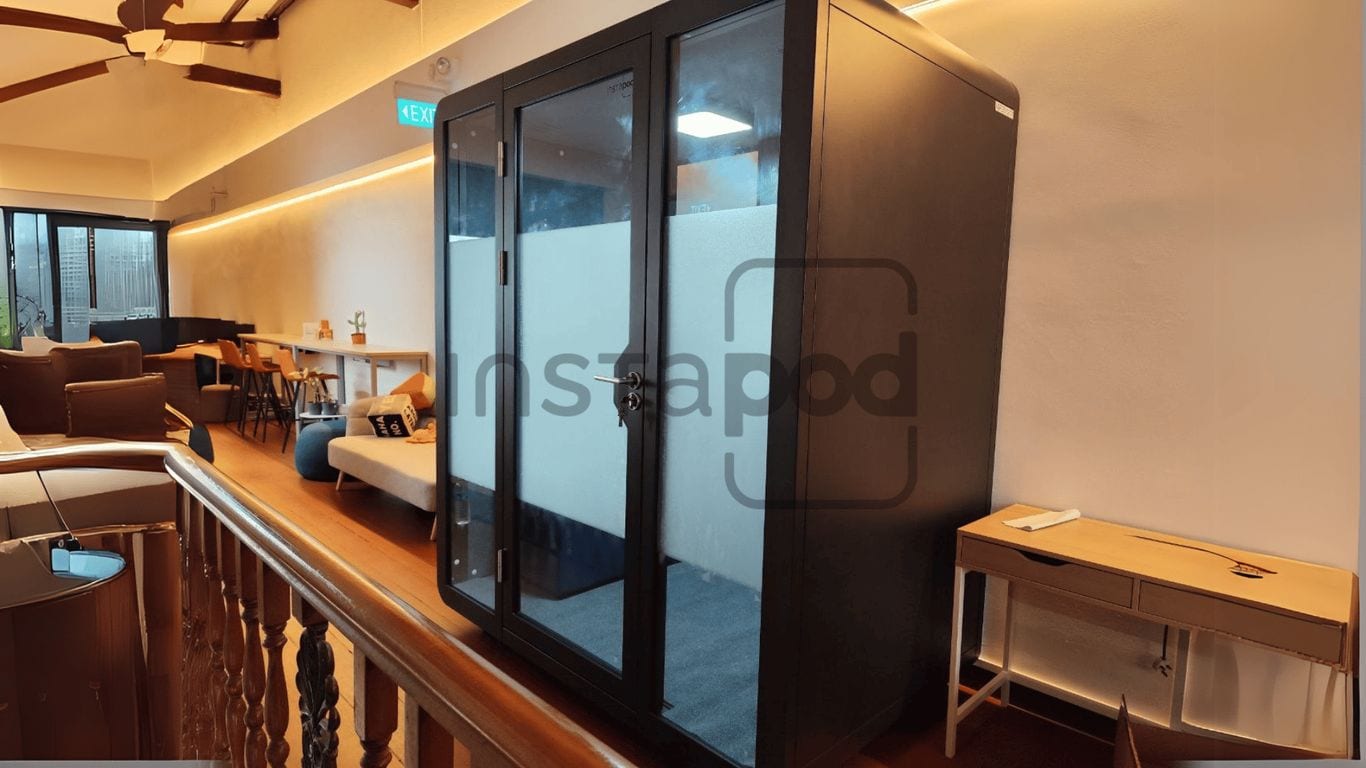
Open-plan offices are supposed to be great for teamwork, but let’s be real, all that background chatter and ringing phones can make it super hard to focus. It’s like trying to read a book in the middle of a concert. This constant noise isn’t just annoying; it can actually make people stressed and less productive. That’s where office meeting pods come in. They’re basically little quiet rooms you can duck into when you need some peace and quiet, and they’re really changing the game for how we work in these open spaces.
Key Takeaways
- Office meeting pods are enclosed spaces designed to cut down on noise and distractions in open-plan offices.
- They use special materials and construction to block out sound, helping employees concentrate better.
- Beyond just quiet, office meeting pods offer privacy for calls and focused work, boosting productivity.
- These office meeting pods can improve employee well-being by reducing stress caused by noisy environments.
- Office meeting pods are a flexible and often cost-effective way to improve office acoustics compared to building new rooms.
Understanding The Need For Quiet In Open Offices
The Persistent Noise Challenge Of Open-Plan Workspaces
Open-plan offices were supposed to be the ultimate collaboration hubs, right? The idea was that by removing walls, ideas would flow more freely, and teamwork would naturally improve. But let’s be honest, for many of us, it’s turned into a constant battle against distractions. You’ve got phone calls echoing, keyboards clacking away like a drum solo, and conversations overlapping into a general hum that makes concentrating feel like a superpower. It’s like trying to have a quiet chat in the middle of a rock concert, all day long.
Impact Of Noise On Employee Focus And Well-Being
This constant background noise isn’t just a minor annoyance; it actively works against getting deep work done. When you’re trying to focus on a complex report or have a sensitive conversation, the surrounding din can be incredibly disruptive. It’s not just about personal preference either. Studies have shown that interruptions significantly impact productivity, and it can take a surprisingly long time to get back into the zone after being pulled away. This makes the kind of focused, uninterrupted work that many jobs require almost impossible for a lot of people.
Think about it: how many times have you been really into a task, only to be jolted out of it by a loud phone call nearby or a group discussion happening right next to your desk? This isn’t just a little hiccup. It leads to what’s called ‘attention residue,’ where a part of your brain gets stuck on the interruption, slowing you down even after the noise stops. For tasks that need creative thinking or deep concentration, this constant barrage can really kill your productivity. Some research even suggests that being exposed to too much office noise over time can lead to mental fatigue and more mistakes.
The biggest problem in open offices is not always loud noise. It is often speech. Human conversation is hard to ignore. Even when people try to focus, the brain keeps reacting to nearby words, tones, and movement.
Limitations Of Traditional Office Designs
Open offices also create a privacy problem. Employees often need to make calls, join video meetings, discuss sensitive issues, or simply think without feeling watched or overheard. When that privacy is missing, people change their behavior. They speak more softly, delay calls, move around looking for a corner, or avoid important conversations until later. Research on activity-based offices has shown that privacy is strongly tied to performance and productivity. GSA workplace acoustics guidance also points to speech privacy as a core design issue, not a minor extra. This is where office pods and office phone booths help in a very direct way. They create a small, enclosed space for one person or a small group to work without carrying every call and every conversation across the floor.
When a workspace does not support focus, people start building workarounds. They wear headphones all day, take meetings from stairwells, book conference rooms for solo work, work from home when they need real concentration, and message coworkers instead of talking because the room feels too exposed. That is a sign the layout is not doing its job. GSA guidance on workplace sound points to focus rooms as an antidote to distracting conference calls and open-office noise. It also notes that alternative working areas away from the workstation can improve workplace effectiveness. More recent GSA workplace materials also include private phone booths and huddle rooms as part of modern office offerings. In other words, the answer is not always more desks. Sometimes the answer is better space variety.
How Meeting Pods Create Acoustic Havens
The Role Of Sound-Dampening Materials In Meeting Pods
Open offices, while great for collaboration, often struggle with noise. Constant chatter, ringing phones, and keyboard clicks can make it tough to focus. Meeting pods, often called soundproof booths, are designed to combat this. They act like little quiet zones dropped right into the middle of the office buzz. The key is how they’re built. The walls, ceilings, and even floors of these pods use special materials. These materials are chosen specifically to absorb sound waves. Instead of noise bouncing around and escaping, it gets soaked up. This means conversations inside stay private, and the noise from outside stays out. It’s like having a personal bubble of calm.
Structural Design For Optimal Sound Insulation
Beyond just the materials, the way these pods are put together matters a lot for keeping sound out. Think of them as mini-fortresses against noise. They’re built with solid frames and tight seals to stop sound from leaking through any cracks. This careful construction means they can really block out the general office din.
- Solid Construction: Pods use sturdy frames and panels that don’t easily let sound pass through.
- Sealed Joints: Gaps are minimized where panels meet, preventing sound bleed.
- Layered Materials: Often, multiple layers of different materials are used to tackle a wider range of sound frequencies.
The goal is to create a space that feels separate from the main office environment, offering a genuine escape from distractions.
Creating Pockets Of Calm Within The Office Buzz
These pods effectively create small, quiet areas within a larger, noisier space. They give employees a place to go when they need to concentrate on tasks that require deep thought, have a private phone call, or conduct a small team meeting without disturbing others. It’s a simple yet effective way to manage the soundscape of an open-plan office, making it more functional for everyone.
Strategic Integration Of Meeting Pods For Noise Reduction
Utilizing Pods As Functional Zone Dividers
Think of meeting pods not just as furniture, but as architectural elements that can reshape your open office. When you place them strategically, they naturally break up the vastness of an open space. A cluster of pods can act like a soft wall, separating a busy work area from a quieter zone. This isn’t about building permanent structures; it’s about using these units to create distinct functional areas. For instance, placing smaller pods near high-traffic walkways can give people a quick, private spot for a call without disrupting those focused on deep work further away. Larger pods can form a sort of ‘collaboration corner,’ containing the energy and sound of small team discussions.
Creating Dedicated Quiet Zones For Deep Work
One of the biggest wins with meeting pods is their ability to carve out pockets of genuine quiet. In an open office, finding a space for tasks that require serious concentration can feel impossible. Pods, with their sound-dampening qualities, become these much-needed sanctuaries. You can designate an area with several pods specifically for ‘deep work.’ This signals to everyone that this space is for focused tasks, and the pods themselves help maintain that atmosphere. It’s about giving employees a reliable escape from the constant hum of the office, allowing them to get into a flow state more easily.
Placement Strategies To Minimize Sound Bleed
Where you put your pods really matters. It’s not just about aesthetics; it’s about acoustics. The goal is to place pods in a way that they absorb and block sound where it’s most needed. Consider the natural pathways people take through the office. Placing pods along these routes can act as buffers. If you have a noisy area, like a break room or a collaborative hub, positioning pods between that and a quiet zone can significantly reduce how much sound travels. It’s like building invisible sound barriers. Think about the STC (Sound Transmission Class) rating of your pods – a higher rating means better sound blocking. Even a moderate STC of around 30 dB can turn loud conversations into a barely audible murmur, which makes a huge difference.
The strategic placement of office meeting pods can transform a chaotic open-plan environment into a more functional and productive space. By considering the natural flow of people and activities, you can create distinct zones that cater to both collaboration and concentration needs.
Here are a few placement ideas:
- Near busy corridors: For quick, private calls or brief chats.
- Adjacent to collaborative zones: To contain discussion noise and prevent it from spreading.
- In open areas: To create impromptu quiet zones for focused tasks.
- Away from main thoroughfares: For dedicated deep work areas where minimal interruption is key.
Enhancing Productivity And Privacy With Meeting Pods
Open offices, while aiming for collaboration, often end up being a noisy free-for-all. This constant buzz can really mess with your ability to concentrate and can make sensitive conversations feel impossible. Meeting pods step in as a practical solution, giving you back control over your immediate work environment. They’re not just about looking modern; they’re about making work actually work better.
Boosting Concentration Through Reduced Distractions
Let’s face it, the open office is a minefield of distractions. A phone rings, someone walks by talking loudly, a spontaneous brainstorming session erupts nearby – it all chips away at your focus. Meeting pods act like personal quiet zones, effectively muffling the surrounding office noise. This allows for uninterrupted deep work, whether you’re writing a report, coding, or just trying to get through a complex task. Imagine being able to enter a state of flow without being pulled out of it every five minutes. That’s the power of a dedicated, sound-controlled space.
Facilitating Private And Confidential Conversations
Sometimes, you just need to talk without the entire office listening in. Whether it’s a sensitive HR discussion, a client call with confidential details, or a quick check-in with your manager about performance, privacy is key. Traditional open offices offer very little of this. Meeting pods provide a secure, enclosed space where these conversations can happen without worry. This not only protects sensitive information but also prevents disruption to colleagues who are trying to focus.
Improving Efficiency Of Small Team Discussions
Need to quickly huddle with a couple of colleagues to hash out a project detail? Booking a conference room can feel like overkill, and gathering around a desk can be disruptive. Pods offer a perfect middle ground. They provide a dedicated space for small teams to collaborate, brainstorm, or have focused discussions without disturbing the wider office. This makes those quick, informal team syncs much more efficient and contained, leading to faster decision-making and less wasted time.
- Reduced setup time: No need to book a large room for a quick chat.
- Improved communication: A dedicated space means fewer interruptions and clearer conversations.
- Minimized disruption: Keeps collaborative energy contained, away from those needing quiet.
The ability to step away from the general office noise into a private, sound-dampened space is more than just a convenience; it’s a productivity tool. It allows employees to manage their focus and privacy needs effectively throughout the day.
The Versatility Of Modern Meeting Pods
From Single-Person Booths To Small Team Units
Modern meeting pods have really come a long way from just being a glorified box to take a quick call. Today, you can find them in all sorts of sizes and configurations. Need a quiet spot for yourself to really focus on a complex report or some coding? There are single-person pods, often called a portable phone booth, that offer just that – a personal sanctuary from the office din. These are perfect for deep work that requires zero distractions. On the other hand, if your team needs to huddle up for a quick brainstorming session or discuss a project without bothering the rest of the office, there are larger pods designed to comfortably fit three to four people. It’s about having options that fit the actual work people are doing.
Adaptable Solutions For Diverse Office Needs
What’s great about these pods is how adaptable they are. They aren’t permanent fixtures like a built-out conference room. Many are designed to be relatively easy to move if your office layout needs to change or if you want to reconfigure your workspace. This flexibility means you can place them strategically where noise is a problem, or where a quiet space is most needed, without a massive construction project. They can serve as impromptu meeting spaces, private call booths, or even just a quiet zone for someone to decompress for a few minutes. It’s about fitting the solution to the problem, not the other way around.
Beyond Basic Phone Booths: Feature-Rich Designs
These aren’t just empty shells. Many modern meeting pods come with built-in features that make them truly functional workspaces. Think about integrated lighting so you don’t have to rely on the general office glow, power outlets to keep your devices charged, and even ventilation systems to ensure the air stays fresh during longer sessions. Some higher-end models might even include small desks or whiteboards. They’re designed to be self-contained units where you can actually get work done, have a proper conversation, or conduct a mini-meeting without feeling like you’re just crammed into a closet. The focus is on creating a comfortable, productive, and private environment on demand.
Here’s a quick look at common features:
- Sound Dampening: High-quality materials to block external noise.
- Ventilation: Built-in fans for fresh air circulation.
- Power & Connectivity: Outlets for charging devices.
- Lighting: Integrated, often adjustable, lighting.
- Acoustic Comfort: Interior finishes designed to reduce echo.
The evolution of office design has shown that while open plans encourage interaction, they often fall short on providing the necessary quiet for focused tasks. Meeting pods bridge this gap by offering contained, acoustically treated spaces that can be deployed flexibly throughout an open-plan environment. They provide a tangible solution for individual concentration and small group collaboration without the need for extensive structural changes.
Meeting Pods As A Smart Office Investment
When you look at the whole picture, adding meeting pods to your office isn’t just about buying furniture; it’s a strategic move that pays off in a lot of ways. Think of them as a practical solution to those everyday annoyances that come with open-plan layouts. They help make the office a better place to work for pretty much everyone.
A Scalable Solution For Acoustic Challenges
One of the best things about office pods is how easily they can grow with your company. If you start with a few for a specific team and find they’re a hit, you can just add more. It’s not like building a whole new room, which is a huge undertaking. You can scale up your quiet spaces as needed, team by team or floor by floor. This flexibility means you’re not stuck with a one-time, massive renovation. You can adapt your workspace as your needs change, which is pretty handy in today’s fast-moving work world.
Cost-Effectiveness Compared To Traditional Builds
Let’s be real, building out new quiet rooms or small meeting spaces in an existing office can get expensive fast. You’re talking about construction, permits, and a lot of disruption. An office booth, on the other hand, is a much simpler purchase. You buy it, you place it, and you’re pretty much good to go. The initial cost might seem like a chunk, but when you compare it to the price of traditional construction, it often comes out way ahead. Plus, if you ever need to move or reconfigure your office, pods are much easier to relocate than permanent walls.
Improving Employee Experience And Office Functionality
Ultimately, happy employees are productive employees. Providing these little pockets of calm, whether it’s a single-person office pod for deep focus or a slightly larger one for a quick team chat, makes a real difference in people’s day-to-day work lives. It shows you care about their ability to concentrate and have private conversations without adding to the general office noise. This boost in employee satisfaction can lead to better retention and a more positive work atmosphere overall. It’s a simple way to make your office work better for the people in it.
Here’s a quick look at the benefits:
- Reduced Distractions: Employees can finally get their heads down without constant interruptions.
- Increased Privacy: Sensitive calls and discussions can happen without being overheard.
- Better Focus: Tasks requiring concentration become more manageable.
- Improved Collaboration: Small teams can huddle without disrupting others.
Investing in meeting pods is a practical way to address noise issues in open offices. They offer a flexible and cost-effective approach to creating functional zones for focused work and private conversations, ultimately leading to a more productive and pleasant work environment for everyone.
Bringing It All Together
So, when you look at it, these meeting pods are a pretty straightforward way to deal with the noise in open offices. They’re not some fancy, complicated fix. They’re just… quiet rooms you can put pretty much anywhere. They help people focus, take calls without bothering everyone, and generally just make the workday a bit less stressful. While they won’t magically make every open office perfect, they’re a solid step towards making the space work better for the people in it. It’s about giving folks a choice in their environment, which, let’s be honest, makes a big difference in how much work actually gets done.
Frequently Asked Questions
Why are open offices so noisy?
Open offices often get loud because there are no walls to block sounds. Lots of people talking, phones ringing, and keyboards clicking all add up to a noisy environment. This can make it really hard for people to focus on their work.
What is a meeting pod?
A meeting pod is like a small, private room you can put inside a big, open office. It’s designed to be quiet inside, so you can focus on your work or have a private conversation without being bothered by the noise outside.
Do meeting pods actually help reduce noise?
Yes, they do! Meeting pods are built with special materials that absorb sound, like a sponge soaking up water. This means noise from outside can’t get in easily, and sounds made inside the pod don’t travel far out, creating a quieter space.
Can meeting pods help with privacy?
Absolutely. Because they block sound, meeting pods are perfect for private phone calls, video meetings, or sensitive discussions. You don’t have to worry about others overhearing you, which is great for both your privacy and for not disturbing others.
How do meeting pods make offices more productive?
By cutting down on noise and interruptions, meeting pods help people concentrate better. When you can focus without distractions, you can get more work done and do a better job. They also make it easier to have quick, private chats without disrupting the whole office.
Are there different kinds of meeting pods?
Yes, there are! You can find small pods for just one person to work in, or bigger ones that can fit a few people for small team meetings. They come in various sizes and styles to fit different office needs and spaces.
The post How Meeting Pods Reduce Noise in Open Offices appeared first on InstaPod Malaysia.