
How Acoustic Pods Reduce Noise in Open Offices
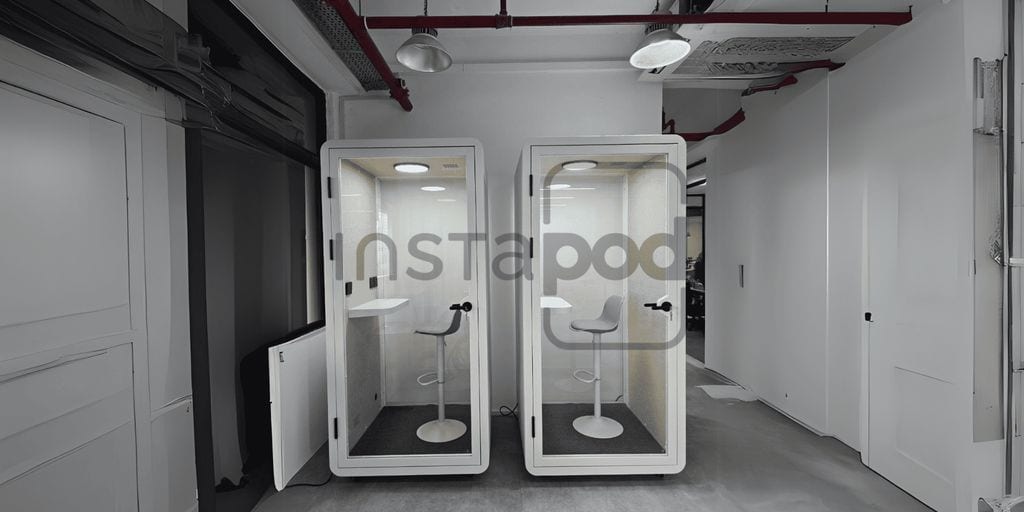
Open-plan offices are super popular these days, but let’s be real, they can get pretty noisy. All that chatter and movement can make it tough to focus or even have a private chat. It’s a real challenge trying to keep things collaborative without making everyone feel like they’re in a constant echo chamber. But don’t worry, there are ways to make these spaces work better, especially with cool solutions like acoustic pods.
Key Takeaways
- Open offices often have issues with echoes and uneven sound, making it hard to concentrate.
- Too much noise in the workplace can really mess with your focus and make you tired.
- Arranging furniture in smart ways, like using upholstered pieces, can help soak up sound.
- Adding acoustic panels and special ceiling stuff can make a big difference in cutting down noise.
- Acoustic pods are great for creating quiet spots in busy offices, helping people focus better.
Understanding Open Office Acoustic Challenges
Open-plan offices are all about teamwork and open communication, but let’s be real, they can get noisy. It’s not just about being annoying; the sound environment can really mess with how people work. You’ve got everything from loud talkers to the constant hum of machines, and it all adds up. The lack of physical barriers means sound bounces around everywhere, making it hard to concentrate.
Prominent Echoes and Reverberations
Think of a big, empty room. That’s basically what an open office is, acoustically speaking. Sound waves just keep bouncing off the walls, creating echoes and long reverberations. It’s like being in a never-ending echo chamber. This is because large, uniformly shaped rooms amplify acoustic phenomena, making echoes more noticeable and impactful. The reflections that cause reverberation travel farther and longer, increasing their impact. It’s not just a minor annoyance; it can make it genuinely difficult to understand what people are saying. To address this, consider acoustic pods for focused work.
Uneven Sound Distribution and Sonic Flutters
Ever notice how some spots in the office are way louder than others? That’s uneven sound distribution at work. Sound reaches surfaces at different times and reflects at odd angles. And then there are sonic flutters – rapid echoes that happen in long, narrow rooms. It’s like a constant, subtle vibration in the air, which can be incredibly distracting. This unevenness makes it hard to find a quiet spot, and it can really mess with your focus. To mitigate this, explore office booths for private calls.
Disproportionate Sound Concentration
If your office has rounded corners or weird alcoves, sound might be gathering in those spots. It’s like the room is conspiring to make certain areas extra noisy. This disproportionate sound concentration can turn those areas into acoustic dead zones, making it hard to have a conversation or get any work done. It’s just another way that open offices can create unexpected noise problems.
Open offices can be tough on the ears. It’s not just about the volume; it’s about how sound travels and concentrates in the space. Understanding these acoustic challenges is the first step to making the office a more productive and comfortable place to work.
The Impact of Noise on Workplace Productivity
Noise in the workplace? It’s more than just annoying. It can seriously mess with how well people do their jobs. Open offices are great for collaboration, but all that noise can really take a toll. Let’s look at how noise affects productivity and what we can do about it.
Reduced Focus and Concentration
Noise is a focus killer. It’s hard to concentrate when you’re surrounded by chatter, ringing phones, and the clatter of keyboards. Think about it: every time you get pulled away from your task by a sudden noise, it takes time to get back into the zone. All those little interruptions add up, and before you know it, half the day is gone. Studies show that employees lose significant time each day just trying to tune out distractions. Maybe a workplace pod could help?
- Background conversations
- Phone calls
- Office equipment sounds
Increased Stress and Fatigue
Constant noise isn’t just distracting; it’s stressful. When you’re constantly bombarded with sounds, your body goes into a state of alert. This can lead to increased levels of stress hormones, which, over time, can cause fatigue and burnout. It’s like your brain is constantly working overtime to filter out the noise, leaving you feeling drained at the end of the day.
Prolonged exposure to unmanaged noise increases stress hormones, diminishes cognitive performance and can contribute to fatigue over time.
Compromised Privacy and Information Security
Open offices can be breeding grounds for accidental eavesdropping. When everyone can hear everyone else’s conversations, it’s easy for sensitive information to be overheard. This can be a problem for confidential business discussions, employee reviews, or even personal phone calls. It’s not just about privacy; it’s also about protecting sensitive data. Maybe soundproof pods are the answer?
Here’s a quick look at how noise impacts different aspects of work:
| Impact Area | Description the workplace pod InstaPod Malaysia offers, contact +6012-8076523, Monday to Friday, 9 am to 5 pm.
Strategic Furniture Arrangement for Sound Buffering
It’s easy to forget that the way you arrange furniture can have a big impact on sound levels. It’s not just about fancy panels or expensive solutions. Sometimes, a smart layout is all you need to make a noticeable difference. Strategic furniture placement can significantly reduce noise by absorbing and deflecting sound waves.
Utilizing Upholstered Pieces and Bookshelves
Think soft! Upholstered furniture is your friend. Sofas, chairs, and even ottomans covered in fabric can soak up sound. Bookshelves are also surprisingly effective. A fully stocked bookshelf acts as a great sound barrier, especially if it’s placed between noisy areas and quiet zones. Consider these points:
- Upholstered furniture absorbs sound, reducing echoes.
- Bookshelves filled with books act as sound diffusers.
- Fabric-wrapped booths offer privacy and sound dampening.
Creating Designated Acoustic Zones
Zoning is key. Designate areas for different activities. A quiet zone for focused work, a collaborative zone for meetings, and a break zone for relaxation. Keep noisy equipment like printers and shredders away from the quiet zones. You can even use furniture to create these zones. For example, tall bookshelves or office pods can visually and acoustically separate spaces. This is especially important if you’re trying to create a space for focused work. Consider a meeting pod malaysia for private conversations.
Minimizing Noise Spread with Strategic Placement
Think about how sound travels. Place furniture to block direct sound paths. For example, position a large sofa or a row of cabinets between desks and a hallway to prevent noise from spreading. Angled furniture can also help to deflect sound waves, preventing them from bouncing around the room. It’s all about disrupting the sound’s journey.
By carefully considering furniture placement, you can create a more peaceful and productive workspace without breaking the bank. It’s a simple but effective way to manage noise in an open office.
Innovative Acoustic Panels and Ceiling Treatments
Stylish and Functional Acoustic Panels
Acoustic panels are a game-changer for open offices. They’re not just about function; they can also add a touch of style to the workplace. You can find panels in all sorts of colors, shapes, and sizes, so you can easily match them to your office’s decor. Wall-mounted panels reduce reverberation time and can even mimic gallery art, blending functionality with brand expression. I’ve seen some offices use them to create really cool visual effects, almost like adding art installations that also happen to absorb sound. It’s a win-win!
Effective Sound Absorption with Acoustic Baffles
Acoustic baffles are another great option, especially if you have high ceilings. They hang down from the ceiling and capture sound waves before they can bounce around the room. Think of them as sound-absorbing decorations. They come in different materials, like perforated metal or felt-wrapped geometric shapes. I remember visiting an office that used these really interesting felt baffles that looked like clouds. It made the space feel more open and airy, while also cutting down on noise. Here are some benefits of using acoustic baffles:
- Reduce echo and reverberation.
- Improve speech clarity.
- Enhance overall acoustic comfort.
Acoustic Ceilings for Enhanced Noise Control
Acoustic ceilings are a more comprehensive solution for noise control. These aren’t your typical drop ceilings; they’re designed with sound-absorbing materials that help to minimize noise transmission throughout the office. They’re a bit more of an investment, but they can make a huge difference in the overall sound environment. Plus, there are many different styles available, so you can find one that fits your office’s aesthetic. For example, you can use soundproofing materials to create a quieter environment. I’ve noticed that offices with acoustic ceilings tend to have a much calmer and more focused atmosphere.
Implementing acoustic ceilings can significantly reduce noise levels, leading to improved concentration and productivity. It’s a worthwhile investment for any open office looking to create a more comfortable and efficient workspace.
Optimizing Flooring and Greenery for Noise Reduction
The Role of Carpeting and Rugs in Sound Absorption
Flooring is a big deal when it comes to office acoustics. Hard surfaces? They bounce sound all over the place. That’s why swapping out some of that tile or bare concrete for carpet or rugs can make a noticeable difference. Carpets and rugs are great at soaking up sound, which helps to reduce echoes and that general sense of noise in an open office. Think about it: every footstep, every chair scoot – it all adds up. Soft flooring helps to minimize those sounds.
- Reduces echoes and reverberation.
- Minimizes noise from footsteps and chair movements.
- Adds a layer of comfort to the office environment.
Consider using carpet tiles. They’re easy to install, come in a ton of styles, and if one gets damaged, you can just replace that one tile instead of the whole floor. Plus, they offer pretty good sound absorption.
Acoustic Flooring for Reduced Sound Transmission
Beyond just carpets and rugs, there’s a whole world of acoustic flooring designed to really cut down on noise. We’re talking about special underlays and materials that are specifically made to absorb sound and stop it from traveling through the floor. This is especially useful if you’re in a multi-story building and want to keep the noise from one floor from bothering people on another. Using floor underlayment can really make a difference.
- Reduces sound transmission between floors.
- Offers better sound dampening than standard flooring.
- Can be used under various types of flooring, like vinyl or laminate.
Strategic Placement of Plants for Noise Dampening
Okay, this might sound a little out there, but plants can actually help with noise reduction! It’s not just about aesthetics; the leaves and stems of plants can absorb and deflect sound waves. Plus, they just make the office a nicer place to be. Think about using larger plants or creating green walls to really maximize the effect. Strategically placed office furniture can also help block sound.
- Absorbs and deflects sound waves.
- Improves air quality in the office.
- Creates a more calming and visually appealing workspace.
Here’s a quick look at how different plants can affect sound:
| Plant Type | Sound Absorption | Additional Benefits |
|---|---|---|
| Ficus Trees | Moderate | Air purification |
| Snake Plants | Low | Easy to care for, air purifier |
| Peace Lilies | Low | Beautiful flowers, air purifier |
| Pothos Vines | Low | Versatile, easy to propagate |
Leveraging Acoustic Pods for Targeted Soundproofing
Open offices can be noisy, and sometimes you just need a quiet space to focus. That’s where acoustic pods come in. They’re like little rooms within your office, designed to block out sound and give you a private area to work, make calls, or just take a break. Let’s explore how these pods can really help.
Creating Private Enclaves with Acoustic Pods
Acoustic pods offer a dedicated quiet zone within the hustle and bustle of an open office. These pods are designed to be self-contained units, providing a significant reduction in noise levels. They come in various sizes, from single-person phone booths to larger pods that can accommodate small meetings. Think of them as instant quiet rooms that can be placed strategically throughout the office. For those working remotely, consider the benefits of office pods at home to enhance focus and productivity.
Versatility and Flexibility of Acoustic Pods
One of the best things about acoustic pods is how adaptable they are. They aren’t permanent structures, so you can move them around as your office needs change. Plus, they come in all sorts of styles and configurations. Need a standing desk pod? No problem. Want a pod with a whiteboard for brainstorming? You got it. This flexibility makes them a great investment for growing companies. If you’re in Malaysia, you can find soundproof pods that fit your specific needs.
Enhanced Focus and Reduced Distractions with Acoustic Pods
The main goal of acoustic pods is to minimize distractions and help employees concentrate. By reducing ambient noise, these pods create an environment where it’s easier to focus on tasks that require deep thought. This can lead to increased productivity and a better overall work experience. It’s not just about blocking out noise; it’s about creating a space where you can truly disconnect from the surrounding chaos.
Here’s a quick look at how acoustic pods can improve focus:
- Reduced noise levels lead to better concentration.
- Private space minimizes interruptions from colleagues.
- Comfortable environment promotes longer periods of focused work.
| Feature | Benefit |
|---|---|
| Sound Absorption | Reduces external noise by up to 30 dB |
| Privacy | Minimizes visual and auditory distractions |
| Comfort | Ergonomic design for extended use |
Consider integrating workplace pods into your office layout to support introverted employees and enhance overall productivity.
Implementing Tech Tools for Acoustic Control
Let’s be real, sometimes the best solutions involve a little tech. When physical changes aren’t enough, or you need a more dynamic approach, technology can step in to help manage sound in open offices. It’s not just about throwing gadgets at the problem; it’s about strategically using tech to create a more focused and comfortable environment.
Professional Sound Masking Systems
Sound masking systems are pretty cool. Instead of trying to block out all sound, they introduce a background noise that makes speech less intelligible. Think of it as white noise, but specifically tuned to the frequencies of human speech. This doesn’t eliminate sound, but it reduces distractions by making conversations less noticeable. These systems are often integrated into the ceiling and can be adjusted to fit the specific needs of the office. It’s like a volume control for the entire workspace, subtly reducing the impact of distracting chatter. For example, InstaPod Malaysia offers phone booth office pods that can be integrated with sound masking systems.
Personal Noise-Cancelling Devices
For individual focus, noise-canceling headphones are a game-changer. They create a personal bubble of quiet, allowing employees to concentrate on their work even in the midst of a noisy environment. Many companies now provide these as standard equipment, recognizing their value in boosting productivity. The technology has come a long way, with some headphones offering incredible noise cancellation capabilities. It’s a simple, effective way to give employees control over their own acoustic environment. These devices can significantly reduce distractions and improve focus, especially in areas where quiet workspaces are essential.
Real-Time Decibel Displays for Self-Regulation
This is where things get interesting. Imagine having a display that shows the current noise level in the office. It’s like a speedometer for sound! These displays provide visual feedback, helping employees to be more aware of their own noise levels and encouraging self-regulation. By seeing the decibel levels in real-time, teams can adjust their behavior to maintain a more comfortable acoustic environment. It’s a simple but effective way to promote a culture of acoustic awareness and encourage everyone to be mindful of the noise they’re creating. This can be particularly useful in open-plan offices where phone pods are used to mitigate noise issues.
Implementing these tech tools isn’t just about reducing noise; it’s about empowering employees to take control of their environment and create a workspace that supports focus, productivity, and well-being. It’s about finding the right balance between technology and human behavior to create a truly effective acoustic solution.
Wrapping It Up
So, it’s pretty clear that acoustic pods are a big deal for open offices. They really help with all that noise, giving people a quiet spot when they need it. It’s not just about making things quieter, though. These pods can actually make people more focused and get more done. Plus, they look good, fitting right into a modern office. If you’re trying to make your open office work better for everyone, these pods are definitely something to think about. They just make sense for today’s workspaces.
Frequently Asked Questions
Why are open offices usually so noisy?
Open offices often have problems with too much noise because there are no walls to stop sounds. This means voices, phone calls, and other noises can travel everywhere, making it hard for people to focus.
How does too much noise affect people working in an open office?
Noise can make it hard to think clearly, cause stress, and make people tired. It also means conversations aren’t private, which can be a problem for sensitive information.
What kind of furniture helps reduce noise?
Things like comfy chairs, couches, and bookshelves can soak up sound. Arranging furniture to create smaller areas can also help block noise from spreading.
What are acoustic panels and baffles?
These are special pieces that hang on walls or ceilings. They are made from materials that absorb sound, making the room quieter and stopping echoes.
Can flooring and plants really help with noise?
Soft floors like carpet and rugs can absorb sound from footsteps and moving chairs. Even plants can help a little by dampening noise.
What are acoustic pods, and how do they help?
Acoustic pods are like small, quiet rooms within the open office. They are great for taking private calls or doing work that needs deep focus, helping people avoid distractions.
The post How Acoustic Pods Reduce Noise in Open Offices appeared first on InstaPod Malaysia.