
Ergonomics Inside a Workpod: Airflow, Lighting, and Comfort for Long Shifts
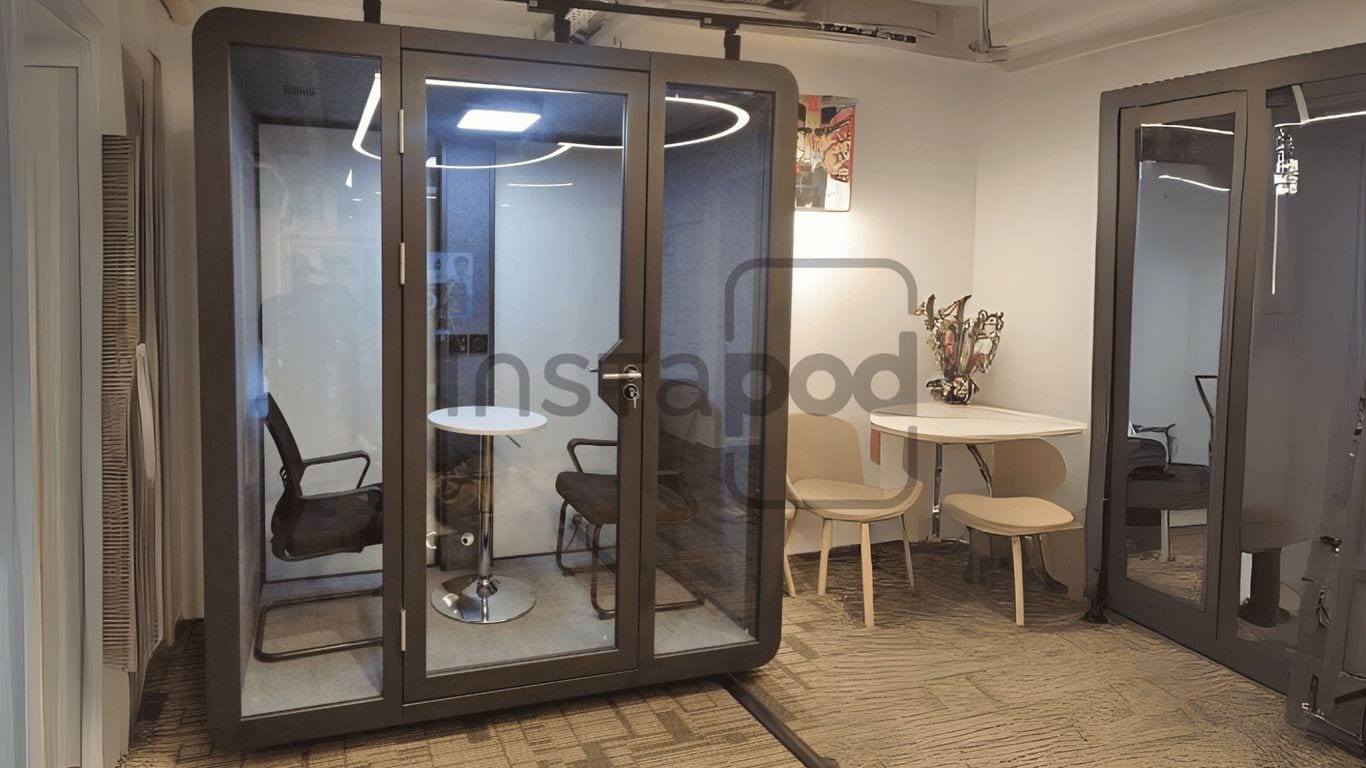
So, you’ve got a workpod, or maybe you’re thinking about getting one. That’s cool. These little spaces are supposed to help us focus, right? But if you’re stuck in one for hours, you need it to be more than just a box. We’re talking about making sure the air is good, the light isn’t blinding you, and you don’t end up feeling like a pretzel. Let’s break down how to make your workpod actually work *for* you, especially when you’ve got a long shift ahead.
Key Takeaways
- Good airflow is key to staying alert and comfortable in a workpod during long work periods. Look for pods with decent ventilation systems, and consider how the pod’s design and materials might affect air movement.
- Ergonomics isn’t just about fancy chairs; it’s about making sure your workspace supports your body. This means thinking about desk height, seating, and how furniture placement affects air circulation within your workpod.
- The right lighting can make a huge difference in reducing eye strain. Mimicking natural daylight and controlling glare are important factors for any workpod, especially for extended use.
- A workpod should feel like a sustainable environment. This involves balancing things like acoustics with airflow, using materials that feel good, and using lighting that helps keep the temperature steady.
- Features like adjustable desks and chairs, good ventilation to prevent stuffiness, and proper desk height can significantly reduce physical strain and boost productivity during long work sessions in your workpod.
Optimizing Airflow Within Your Workpod
Ventilation Systems and Feature Differences
Workpods, those little sanctuaries for focused work or private calls, really depend on good airflow to stay comfortable. Since they’re enclosed spaces, air doesn’t just move around like it does in an open office. Without a solid ventilation system, things can get stuffy pretty quickly, especially during longer work sessions. Most pods use fans, but the size and power of these fans can vary a lot. Smaller pods, often used for quick chats, might have simpler, quieter fans that just keep the air moving gently. Bigger pods, the kind you might use for a long meeting or some serious deep work, usually need more robust systems. These often have larger fans or multiple vents to make sure fresh air gets everywhere inside, not just near one spot. Some even come with filters to clean the air, which is a nice bonus if your office is busy and pods get used back-to-back all day.
- Simple mechanical exchange: Basic fans pull air in and push it out. Good for small, short-use pods.
- Higher volume circulation: Larger fans or more vents for bigger pods or longer sessions.
- Air filtration: Optional feature to improve air quality by removing particles.
How Pod Design and Materials Affect Airflow
The stuff a pod is made of and how it’s put together really matters for air movement. Think about acoustic panels – they’re great for soundproofing, but they can also be designed with little channels so air can still get through without ruining the quiet. This helps air move naturally from where it comes in to where it goes out, so you don’t feel a weird draft. Where you put your furniture also plays a part. A desk that you can adjust, like a sit-stand one, lets air flow more freely underneath compared to a big, solid desk that just blocks everything. Keeping the space under your desk clear helps stop warm air from getting trapped and lets the circulation reach all the corners. Even the lights you choose make a difference. LED lights don’t put out much heat, unlike older bulbs, which helps keep the pod from getting too warm. When the lighting and the ventilation work well together, the pod stays a pleasant place to be, even if you’re in there for hours.
Good airflow isn’t just about comfort; it directly impacts how well you can concentrate. A stuffy pod can make you feel tired and unfocused, while a well-ventilated one helps keep your mind sharp.
Choosing the Right Pod Ventilation for Your Workplace
Figuring out which pod ventilation is best for your office really comes down to how your team actually uses these spaces. If people are just popping in for quick phone calls, a lighter airflow system might be perfectly fine. But if your team uses pods for longer meetings, focused work sessions, or back-to-back calls, you’ll want something with a stronger, more consistent air exchange. This is especially true if pods are booked up all day. You don’t want the person coming in after a long meeting to feel like they’re breathing stale air. It’s all about matching the pod’s capabilities to the demands of your daily work. Also, think about noise. The fans should be quiet enough that they don’t interrupt calls or make it hard to concentrate. A pod that feels good to use, both in terms of air and sound, is one that people will actually want to use.
Enhancing Comfort Through Ergonomic Design
Ergonomics: The Foundation of Sustainable Productivity
Think about it: you can’t really get good work done if your body is screaming at you. That’s where ergonomics comes in. It’s not just some fancy buzzword; it’s about making sure your workspace actually supports you, instead of fighting against you. When your setup is designed with your body in mind, you’re way less likely to end up with aches and pains that zap your energy. Good ergonomics means you can focus on the task at hand, not on how uncomfortable you are. It’s the bedrock for being able to work well, day after day, without burning out.
Key Wellness Features for Extended Work Sessions
When you’re going to be in a workpod for a while, certain features make a huge difference. It’s not just about having a place to sit; it’s about having a place that actively helps you feel good while you’re working.
Here are some things to look for:
- Adjustable Seating: Being able to tweak your chair height, back support, and armrests is a big deal. It lets you find that sweet spot for your body.
- Desk Height Options: Whether it’s a fixed height that’s just right or a sit-stand desk that lets you change positions, the right desk height helps keep your shoulders relaxed and your arms in a good position.
- Integrated Lighting: Lights that are too bright, too dim, or cause glare can really mess with your eyes. Pods with adjustable, eye-friendly lighting are a lifesaver.
- Air Circulation: Stale air is a productivity killer. Good ventilation keeps the air fresh, which helps you stay alert.
A well-designed workpod takes these comfort factors into account from the start. It’s about creating an environment where your physical well-being is supported, allowing your mind to concentrate on the work itself.
Furniture Placement and Air Circulation
Even the best workpod can feel a bit stuffy if things aren’t arranged right. How you place your furniture, especially your desk and chair, can actually help the air move around better. If you have a larger pod, think about how the airflow system works and try not to block vents with large items. Sometimes, just shifting your desk a little can make a noticeable difference in how fresh the air feels. It’s a small detail, but when you’re spending hours in there, those little improvements add up to a much more pleasant experience.
Illuminating Your Workpod for Peak Performance
Getting the lighting right in your workpod is a big deal, especially if you’re spending long hours in there. It’s not just about being able to see your screen; it’s about how the light affects your eyes and your overall mood. Bad lighting can lead to headaches and make you feel tired way faster than you should.
The Importance of Lighting for Eye Strain Reduction
Think about staring at a bright screen for hours. If your pod’s light is too dim, your eyes have to work harder to see what’s on the screen and around you. This constant strain can lead to tired eyes, blurry vision, and even those annoying tension headaches. On the flip side, light that’s too bright or has a harsh glare can be just as bad, making it hard to focus and causing discomfort. The goal is a balanced, comfortable light that supports your eyes, not fights against them.
Mimicking Natural Daylight in Your Workpod
Our bodies are kind of wired to respond to natural light. It helps regulate our sleep cycles and generally makes us feel more alert. That’s why many modern workpods come with lighting systems designed to copy daylight. These lights often have adjustable color temperatures, meaning you can switch from a cooler, brighter light for focused work to a warmer, softer light as the day winds down. It’s like bringing a bit of the outdoors in, which can make a surprising difference in how long you can stay productive without feeling drained.
Controlling Glare and Light Intensity
Glare is a real productivity killer. It bounces off your screen, your desk, and anything shiny, making it tough to see clearly. Good workpod lighting should be diffused, meaning the light is spread out evenly rather than coming from a single, harsh source. Many pods achieve this with built-in diffusers or by using indirect lighting techniques. You should also be able to adjust the brightness. Maybe you need it bright for detailed tasks, but softer for reading documents. Having control over the intensity means you can set the perfect mood for whatever you’re doing.
Here’s a quick look at what to aim for:
- Color Temperature: Look for lights that can shift from cool white (around 5000K) for focus to warm white (around 3000K) for relaxation.
- Brightness Control: Adjustable dimming is key. You want to be able to dial it down when needed.
- Glare Reduction: Matte finishes on surfaces and diffused light sources help a lot.
- Placement: Ensure lights aren’t directly in your line of sight or creating harsh shadows on your work area.
When setting up your pod, pay attention to where the light sources are. Sometimes, just repositioning your screen slightly can make a huge difference in reducing annoying reflections and eye fatigue. It’s the small adjustments that often have the biggest impact on comfort during long work sessions.
| Lighting Feature | Benefit |
|---|---|
| Adjustable Brightness | Reduces eye strain, adapts to tasks |
| Tunable Color Temperature | Mimics natural light, aids focus or calm |
| Diffused Light | Minimizes glare and harsh shadows |
| Indirect Lighting | Creates a softer, more even illumination |
Creating a Sustainable Workpod Environment
Balancing Acoustics and Airflow
When you’re in a quiet pod, the last thing you want is for the ventilation system to sound like a jet engine. Good pod design means airflow is managed without adding a lot of noise. This is often done using special materials that absorb sound while still letting air move. Think of it like this: the walls are designed to keep outside noise out and internal noise down, and the ventilation is designed to do its job without adding to the din. It’s a balance that makes a big difference for focus.
The Role of Materials in Pod Comfort
The stuff a pod is made of really matters for how it feels inside. Some materials can trap heat or moisture, making the space feel stuffy. Others are better at letting air circulate. Acoustic panels, for example, are great for sound but can sometimes block airflow if not designed carefully. Pods that use breathable materials or have built-in channels for air movement tend to be more comfortable for longer periods. It’s not just about looking good; it’s about how the materials work together to create a pleasant space.
Maintaining a Steady Temperature with LED Lighting
Lighting can affect the temperature inside a workpod. Older types of lights, like incandescent bulbs, put out a lot of heat. This can make a small space like a pod feel warmer than it should, especially if the ventilation isn’t top-notch. Modern LED lights, on the other hand, generate very little heat. This means they help keep the pod’s temperature more stable, which is a big win for comfort during long work sessions. When you combine good airflow with cool-running LED lights, you get a much more pleasant environment.
A workpod isn’t just a box to sit in; it’s a controlled environment. The goal is to make it a place where you can concentrate without distractions, and that includes being comfortable. Temperature, air quality, and sound all play a part in whether you can actually get your work done effectively.
Here’s a quick look at what contributes to a comfortable pod:
- Airflow: Needs to be present but quiet.
- Materials: Should be breathable and not trap heat.
- Lighting: LEDs are best for low heat output.
- Acoustics: Essential for focus, but shouldn’t impede ventilation.
Workpod Features for Long Shifts
When you’re settling in for a long stretch of work, especially in a compact space like an office booth, comfort and functionality really matter. It’s not just about having a place to sit; it’s about creating an environment that supports you through hours of focused effort. The right features can make the difference between feeling drained and staying productive.
Adjustable Seating and Desk Options
Long hours demand flexibility. Look for workpods that offer more than just a static chair and desk. Adjustable seating is key – think chairs with good lumbar support and height adjustment. Similarly, a desk that can be raised or lowered, or even a sit-stand option, helps you change your posture throughout the day. This simple act of shifting position can prevent stiffness and fatigue.
- Chair Adjustments: Seat height, backrest angle, and lumbar support.
- Desk Adjustments: Height variability for sitting or standing.
- Surface Area: Enough space for your essentials without feeling cramped.
Ventilation for Preventing Stuffiness
Nobody wants to work in a stuffy room. Good airflow is surprisingly important for keeping your mind sharp. Many office booths come with built-in, quiet ventilation systems. These systems circulate fresh air, preventing that heavy, tired feeling that can creep in after a few hours. It’s a small detail, but it has a big impact on your alertness and overall comfort.
Proper air circulation helps maintain cognitive function and reduces feelings of fatigue during extended work periods.
Reducing Shoulder Tension with Desk Height
Desk height is a common culprit for shoulder and neck strain. If your desk is too high, you’ll find yourself shrugging your shoulders to type, leading to tension. Too low, and you might hunch over. The ideal desk height allows your arms to rest at about a 90-degree angle while typing, with your shoulders relaxed. Many modern workpods include desks that are designed with this in mind, or offer adjustable options to suit your specific needs. Getting this right means you can focus on your work, not on aches and pains.
Maximizing Productivity in Your Workpod
Minimizing Visual Overload with Interior Design
Ever feel like your workspace is just too much? Too many colors, too many things going on? That’s visual overload, and it can really mess with your focus. A well-designed office pod, like many found in places offering an office pod in Malaysia or a simple office booth, keeps things simple. Think clean lines, neutral colors, and not too much clutter. This helps your brain stay on task instead of getting distracted by everything around it. It’s about creating a calm zone where your mind can actually do its work.
The Impact of Airflow on Daily Work Habits
We touched on airflow before, but let’s be real, it’s a big deal for productivity. When the air in your workpod gets stale or stuffy, you start to feel sluggish. It’s hard to concentrate when you’re feeling a bit foggy. Good ventilation systems, often built into modern office pods, keep fresh air moving. This isn’t just about comfort; it helps you stay alert and focused throughout the day. Imagine trying to write a report when you’re fighting off a stuffy nose – not ideal, right?
Creating Boundaries for Work-Life Balance
This is where workpods really shine, especially for folks working from home. It’s easy for work to creep into your personal time when your "office" is also your living room. A dedicated workpod, whether it’s a full-blown office pod in Malaysia or a smaller office booth, acts as a physical boundary. When you step out of the pod, you’re stepping out of work. This mental shift is huge for preventing burnout and actually enjoying your downtime. It helps your brain switch off, which is pretty important for long-term productivity and overall well-being.
Here’s a quick look at how a pod helps:
- Clear Separation: Physically leaving the pod signals the end of the workday.
- Reduced Mental Load: Less decision fatigue about where to work each day.
- Improved Focus: A dedicated space means fewer distractions during work hours.
- Better Rest: Your home space can truly become a place for relaxation again.
Setting up a dedicated workspace, even if it’s just a small corner, can make a significant difference in how you approach your tasks. It tells your brain, "Okay, it’s time to focus now."
Wrapping It Up
So, when you’re looking at setting up or using a workpod, remember it’s not just about having a quiet spot. Think about the air you’re breathing, the light you’re working under, and how comfortable you actually feel. Getting these things right, like making sure there’s good airflow and the lighting isn’t harsh, makes a huge difference, especially when you’re in there for a long stretch. It really helps you stay focused and avoid feeling worn out. A well-designed pod can seriously boost how much you get done and how good you feel doing it, turning that space into a real productivity booster.
Frequently Asked Questions
Why is good airflow important in a work pod?
Having good airflow in a work pod is super important because it keeps the air fresh and stops it from getting stuffy. When the air is fresh, you can think more clearly and feel more awake, which helps you get more done without feeling tired or uncomfortable, especially during long work sessions.
How does lighting affect my work in a pod?
The right lighting can make a big difference! It helps prevent your eyes from getting tired or strained, kind of like how natural sunlight feels good. Good lighting also makes it easier to see your screen and papers, reducing headaches and helping you focus better for longer periods.
What does ‘ergonomics’ mean for a work pod?
Ergonomics is all about making sure your workspace fits your body comfortably and safely. In a work pod, this means having furniture like chairs and desks that support good posture, reduce strain on your body, and let you move around a bit. It’s designed to help you work without getting sore or tired.
Can a work pod help me focus better?
Yes, absolutely! Work pods are designed to be quiet and private spaces. This helps block out distractions from your surroundings, making it much easier to concentrate on your tasks. It’s like having your own little quiet zone where you can really dive deep into your work.
What should I look for in a work pod for long workdays?
For long days, look for pods with adjustable chairs and desks so you can change your position. Good ventilation is a must to keep the air fresh, and lighting that you can control is key to avoid eye strain. Also, consider the materials used – they can affect how comfortable the pod feels overall.
How can a work pod help with work-life balance?
A work pod creates a clear boundary between your work and personal life. When you leave the pod, you can mentally ‘leave’ work behind. This helps you switch off more easily after your workday is done, preventing work from spilling into your evenings and weekends, which is great for your mental health.
The post Ergonomics Inside a Workpod: Airflow, Lighting, and Comfort for Long Shifts appeared first on InstaPod Malaysia.