
Elevate Your Office Focus: How Phone Booths and Modern Workspace Solutions are Redefining Productivity in Malaysia
Here are the main points to remember about how office design is changing in Malaysia, with a focus on making work better for everyone.
Key Takeaways
- Modern offices in Malaysia are becoming more flexible, mixing open areas with private spaces like phone booths for focused work.
- Employee well-being is a big deal, with natural light, plants, and comfy furniture helping people feel better and work smarter.
- Phone booths are no longer just a nice-to-have; they are vital for private calls and focused tasks in busy open-plan offices.
- Technology plays a role in making hybrid work easier, connecting teams whether they’re in the office or working from home.
- Designing spaces that feel good and match the company’s vibe helps attract and keep good employees, making work more enjoyable.
Redefining Malaysian Workspaces with Modern Solutions
The Evolving Office Landscape in Malaysia
The way we work in Malaysia has really changed, hasn’t it? Gone are the days when everyone had to be in the office from 9 to 5, glued to their desks. Now, with more people working from home or juggling different schedules, offices need to be more than just a place to sit. Companies are realizing that the physical office needs to offer something special to draw people back and keep them engaged. It’s not just about having desks anymore; it’s about creating a space that actually supports how people work today.
Integrating Flexibility and Employee Well-being
This shift means offices are becoming more adaptable. Think about it: not everyone needs a permanent desk, and some tasks require quiet focus while others need lively discussion. So, modern offices are mixing things up. They’re adding quiet zones for deep work, collaborative areas for brainstorming, and comfortable spots for casual chats. This flexibility is key, but it’s also about making sure people feel good while they’re there. Things like good lighting, comfortable furniture, and spaces that help people relax are becoming really important. It’s a move towards making the office a place that looks after its people, not just a place to get work done.
The Rise of Experience-Driven Design
Because of these changes, office design is getting a makeover. It’s less about just filling space and more about creating an experience. Companies are looking at how people move through the office, how they interact, and what makes their workday better. This means thinking about everything from the entrance lobby to the break rooms. The goal is to make the office a place people want to be, a place that reflects the company’s personality and helps everyone do their best work. It’s a big change from the old, sterile office blocks.
The Strategic Role of Phone Booths in Productivity
Creating Private Havens in Open-Plan Offices
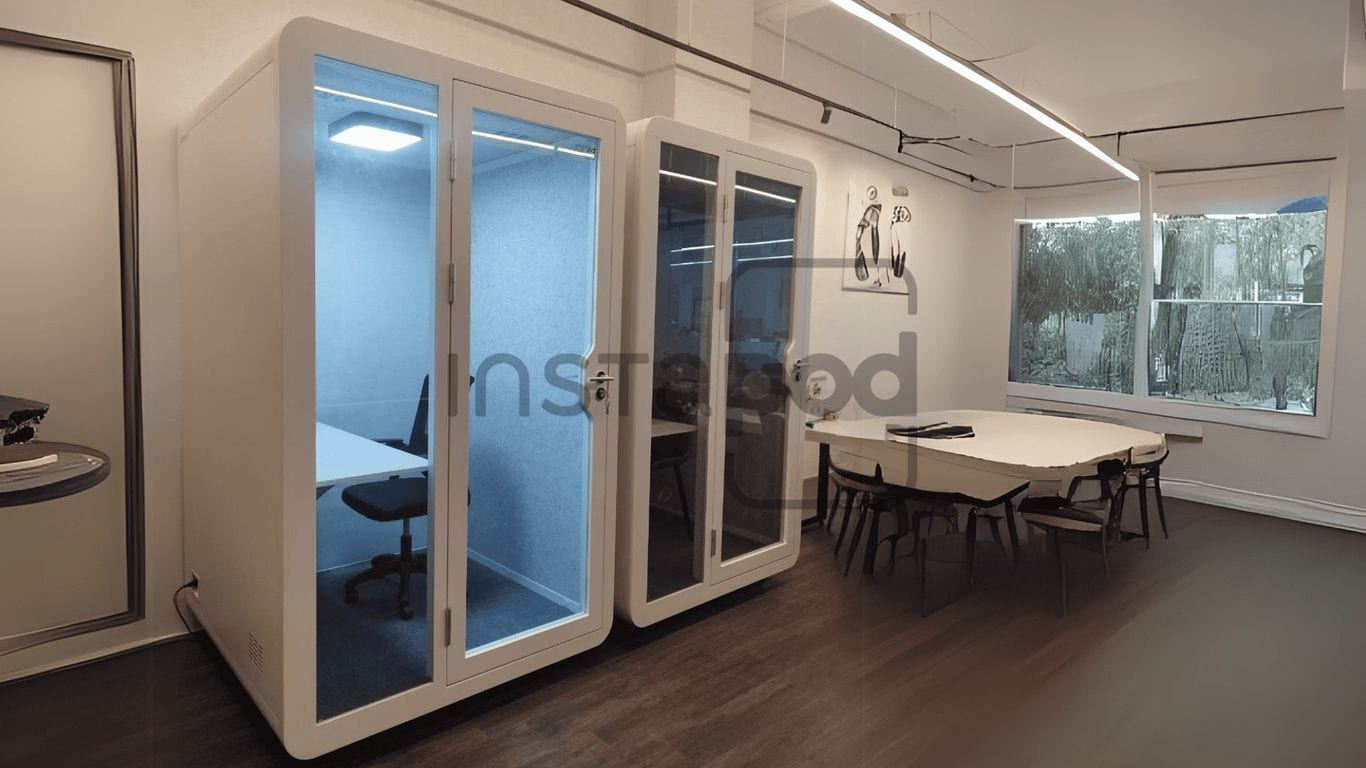
Open-plan offices are great for collaboration, but let’s be real, they can be noisy. Trying to have a private phone call or a quick chat with a colleague when everyone can hear you is just not practical. That’s where modern phone booths come in. These aren’t your grandma’s old cubicles; they’re sleek, soundproof spaces designed specifically for focused work or private conversations. They act like little sanctuaries within the larger office, giving people a place to escape the general hubbub.
Enhancing Focus and Confidentiality
The ability to step into a quiet, enclosed space makes a huge difference for concentration. Whether you’re on an important client call, participating in a video conference, or just need to get some heads-down work done without interruption, a digital phone booth provides that necessary barrier. It’s not just about blocking out noise; it’s also about ensuring confidentiality. Sensitive discussions can happen without worrying about eavesdroppers, which is a big deal for many businesses.
Phone Booths as Essential Workspace Amenities
Think of modern phone booths as a necessary utility, like Wi-Fi or good lighting. They come in various sizes, from single-person units perfect for a quick call to larger meeting phone booths that can accommodate small team huddles. Some even come with built-in desks and power outlets, making them fully functional mini-offices.
Here’s a quick look at what they offer:
- Acoustic Performance: Designed to significantly reduce noise transfer, often achieving -30dB soundproofing.
- Privacy: Fully enclosed spaces with doors that seal for maximum confidentiality.
- Comfort: Often equipped with ventilation, lighting, and sometimes even seating or small work surfaces.
- Flexibility: Easily integrated into existing office layouts without major construction.
The introduction of these booths acknowledges that not all work can be done at a desk in an open area. They provide a practical solution for tasks requiring concentration or privacy, directly impacting an employee’s ability to perform their best work throughout the day.
Designing for Collaboration and Connection
Balancing Open Spaces with Quiet Zones
Open-plan offices have their place, sure, but they can get loud. It’s like trying to have a serious chat at a concert. That’s why smart workplaces in Malaysia are figuring out how to mix things up. They’re carving out areas for focused work, like those phone booths we talked about, right alongside spaces where people can actually talk and bounce ideas around. It’s about giving people options so they can pick the spot that fits what they need to do at that moment. Think of it as having different rooms in your house – you wouldn’t try to cook dinner in the bedroom, right?
Fostering Social Cohesion and Community
Beyond just getting work done, offices are becoming places where people connect. Companies are realizing that when people feel like they’re part of something, they tend to stick around and do better work. This means creating spaces that encourage just that – maybe a comfy lounge area with good coffee, or a communal kitchen where people can chat over lunch. It’s not just about desks and chairs anymore; it’s about building a bit of a community.
Here are a few ways this is happening:
- Breakout Areas: Comfortable spots away from desks for informal chats.
- Communal Hubs: Spaces designed for team lunches or after-work gatherings.
- Event Zones: Flexible areas that can host workshops or social events.
The ‘Third Place’ Concept in Office Design
We’re seeing a shift towards the ‘third place’ idea in office design. This means the office isn’t just where you work (the first place) or where you live (the second place), but a destination in itself. It’s a place that feels welcoming, offers amenities, and supports your day in ways that go beyond just your job tasks. It’s about making the office somewhere people want to be, not just somewhere they have to be. This approach helps attract and keep good people because it shows the company cares about their overall experience.
The modern Malaysian office is moving away from a one-size-fits-all model. It’s about creating a dynamic environment that supports different work styles and social interactions, making the workplace a more engaging and productive part of people’s lives.
Leveraging Technology for Seamless Workflows
In today’s fast-paced work environment, technology isn’t just a tool; it’s the backbone of how we get things done efficiently. For Malaysian offices looking to boost productivity, integrating the right tech is key. It’s about making work flow better, cutting down on wasted time, and making sure everyone can connect and contribute, no matter where they are.
Enabling Hybrid Collaboration
The way we work has changed, and many teams now split their time between the office and working remotely. This hybrid model needs technology that bridges the gap. Think about video conferencing systems that are easy to use and offer clear audio and video, so remote team members feel just as present as those in the room. Shared digital whiteboards and project management software also help keep everyone on the same page, allowing for real-time updates and feedback.
- High-quality webcams and microphones for clear communication.
- Cloud-based document sharing and editing platforms.
- Virtual meeting software with features like screen sharing and breakout rooms.
- Digital collaboration tools that allow for simultaneous input and idea generation.
Smart Workspace Allocation and Access
With flexible work arrangements, knowing who’s in the office and where they’re working can be a challenge. Smart technology can help manage this. Desk booking systems, for instance, let employees reserve a spot before they come in, avoiding confusion and making sure there’s always a place to work. Access control systems can also be integrated, allowing for secure entry based on schedules or bookings.
| Feature | Benefit |
|---|---|
| Desk Booking Software | Prevents overcrowding, optimizes space use |
| Room Reservation Systems | Ensures meeting rooms are available when needed |
| Access Control | Enhances security and tracks office usage |
The goal here is to create an environment where people can easily find the space they need to work effectively, whether it’s a quiet spot for focused tasks or a collaborative area for team discussions. This reduces friction and allows work to proceed without unnecessary delays.
Integrating Technology for Enhanced Productivity
Beyond just communication and space management, technology can streamline many day-to-day tasks. Automation tools can handle repetitive administrative work, freeing up employees for more strategic activities. Digital signage can display important information or wayfinding, and smart building systems can adjust lighting and temperature for optimal comfort. The right technology stack makes the office a more responsive and productive place to be.
- Automate routine tasks like scheduling or data entry.
- Use digital tools for quick information sharing and updates.
- Implement systems that provide insights into workspace usage patterns.
- Ensure all technology is user-friendly and well-supported to minimize frustration.
Biophilic Design and Employee Wellness
Incorporating Natural Light and Greenery
Think about how much better you feel when you’re outside on a sunny day. Bringing elements of nature into the office can have a similar effect. This means letting in as much natural light as possible through big windows and using plants to liven up the space. It’s not just about making the office look nice; studies show that natural light can really help people feel more awake and focused. Plus, having plants around can make the air feel fresher and create a more calming atmosphere. It’s a simple idea, but it makes a big difference in how people feel during their workday.
Ergonomic Features for Physical Health
We spend a lot of time sitting at our desks, so the furniture we use really matters. Good ergonomic chairs are designed to support your body properly, which can stop aches and pains from developing. This isn’t just about comfort; it’s about preventing long-term health issues. Think about adjustable desks too, so people can switch between sitting and standing throughout the day. This movement is good for circulation and can help prevent the stiffness that comes from sitting too long. Making these physical adjustments helps people feel better and work better.
Creating Spaces That Support Mental Well-being
An office environment can really impact our mood and stress levels. Biophilic design plays a part here too, by creating a more pleasant and less sterile atmosphere. But it goes beyond just plants and light. It’s about designing spaces that feel calm and allow for breaks. Quiet zones, comfortable seating areas away from the main work areas, and even access to natural views can all contribute to reducing stress. When employees feel mentally supported, they’re more likely to be engaged and productive.
The goal is to create an office that feels less like a sterile box and more like a place that genuinely cares about the people working in it. This means thinking about how the space affects mood, energy levels, and overall comfort throughout the day. It’s about building an environment where people can do their best work because they feel good, both physically and mentally.
The Future of Office Design in Malaysia
Attracting Talent Through Appealing Workplaces
Companies in Malaysia are really starting to see that how their office looks and feels matters a lot when it comes to bringing in new people. It’s not just about having a desk and a chair anymore. Think about it – if you’re looking for a job, and one company has a dull, old-fashioned space while another has a bright, modern one with cool breakout areas and comfy spots, where are you going to lean towards? The physical office is becoming a major selling point for employers. It needs to show off what the company is all about, its vibe, and how it treats its staff. A well-designed office can actually speak volumes about a company’s values before someone even signs on the dotted line.
The Importance of Company Culture Alignment
It’s not enough for an office to just look good; it has to feel right for the people working there. The design needs to match the company’s actual culture. If a company talks about teamwork and collaboration, but the office layout is all about individual cubicles with no common areas, that’s a mismatch. People notice these things. The space should support how people actually work and interact. This means thinking about things like:
- Flexibility: Can people easily move around and find a spot that suits their task, whether it’s a quiet corner for focused work or a lively area for brainstorming?
- Connection: Are there spaces that encourage people to bump into each other and chat, even if they don’t work on the same team?
- Well-being: Does the office have good light, comfortable furniture, and maybe even some plants to make it feel more pleasant?
When the office design genuinely reflects the company’s spirit and how it wants its employees to feel, it builds trust and makes people feel more connected to their work and their colleagues.
Adapting to Evolving Employee Preferences
Let’s be real, what employees want from their workplace has changed a lot, especially after the last few years. Many people have gotten used to the flexibility of working from home, and they’re not keen on giving that up entirely. So, offices need to offer something compelling that remote work can’t quite replicate. This often means focusing on the social aspects and the collaborative opportunities that only a physical space can provide.
The office of the future in Malaysia is shaping up to be less about just having a place to sit and more about creating an experience. It’s about balancing the need for individual focus with the desire for connection and collaboration, all while making sure people feel good while they’re there. It’s a tricky balance, but getting it right is key to keeping employees happy and productive.
Companies are looking at things like:
- Hybrid Work Support: Making sure meeting rooms are equipped for video calls so remote participants feel included.
- Amenities: Offering perks that make coming to the office worthwhile, like better coffee, comfortable lounges, or even fitness facilities.
- Purposeful Design: Clearly defining why people should come to the office – is it for specific team meetings, client interactions, or just to be part of the company’s energy?
Conclusion
The modern Malaysian office is shifting gears, moving beyond just desks and chairs. It’s about creating spaces that work for people, blending quiet focus areas like phone booths with lively spots for connection. By embracing flexibility, well-being, and smart design, companies can build workplaces that not only attract top talent but also help everyone do their best work. This new approach to office design is key to staying productive and happy in today’s fast-paced world.
Frequently Asked Questions
What exactly is a phone booth in an office?
Think of an office phone booth as a small, quiet room you can step into. It’s like a mini-office where you can make private phone calls or just have some peace to concentrate without being bothered by noise around you.
Why are open offices getting phone booths?
Open offices are great for talking and sharing ideas, but sometimes you need quiet. Phone booths give you a private spot for important calls or tasks that need your full attention, making the open space work better for everyone.
How do these new office designs help people feel better?
These designs often include things like plants, comfy chairs, and good lighting. They aim to make the office feel less stressful and more like a place where you can relax a bit while still getting work done. It’s all about making you feel good physically and mentally.
Is working from home still popular in Malaysia?
Yes, working from home or a mix of home and office, called hybrid work, is still very common. Offices are changing to be more appealing, offering things you can’t get at home, like good collaboration tools and a nice atmosphere.
What does ‘experience-driven design’ mean for an office?
It means designing the office not just for work, but for how it makes people *feel*. It’s about creating a space that’s pleasant, inspiring, and supports different ways of working, making people want to come to the office.
Are phone booths expensive for companies to install?
The cost can vary, but many companies find that the boost in focus and productivity from having phone booths makes them a worthwhile investment. They are becoming a standard part of modern office setups.
The post Elevate Your Office Focus: How Phone Booths and Modern Workspace Solutions are Redefining Productivity in Malaysia appeared first on InstaPod Malaysia.