
Do You Really Need Telephone Booths? Let’s Break It Down
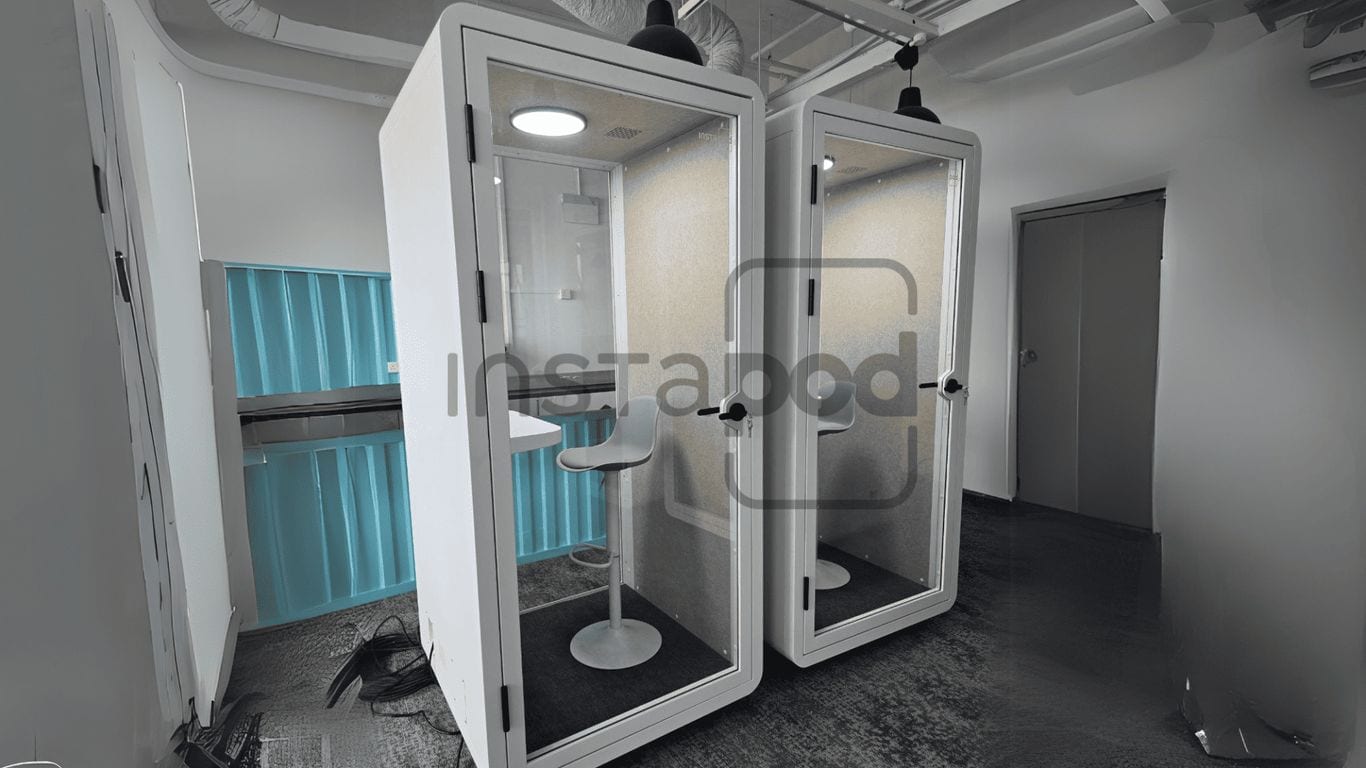
Remember those old telephone booths? They used to be everywhere, a common sight on street corners and in public places. You’d step inside, close the door, and have a bit of privacy for your call. But these days, you hardly see them anymore. So, what happened to the telephone booth? Did we just outgrow them, or is there more to the story? Let’s take a look at why these iconic structures are fading away and what, if anything, is taking their place.
Key Takeaways
- Telephone booths, once a common sight, are disappearing rapidly due to the widespread use of mobile phones.
- While many have been removed, some telephone booths are being repurposed as Wi-Fi hotspots or advertising spaces.
- The iconic red telephone box, especially in the UK, holds a special place in cultural memory and has seen some preservation efforts.
- Legal and privacy issues, like surveillance concerns and vandalism, have also played a role in the decline and changing use of these structures.
- Although coin-operated public phones are largely gone, the concept of public telecommunication structures may continue to evolve in new forms.
The Decline of Telephone Booths
It’s hard to imagine now, but not too long ago, telephone booths were everywhere. They were a common sight on street corners and in public spaces. However, things have changed quite a bit, and these once-ubiquitous structures are now a rarity. Several factors have contributed to their dramatic decrease in numbers.
Shifting Urban Landscapes and Regulations
Cities have changed, and so have the rules about where public phones can be placed. Back in the day, you could find a phone booth almost anywhere. But starting in the 1990s, many big cities began putting restrictions on their locations. The thinking was that these booths sometimes made it easier for crime to happen. This meant fewer new booths were installed, and older ones started to disappear from public view.
The Rise of Mobile Technology
This is probably the biggest reason. The widespread adoption of mobile phones has made traditional payphones largely obsolete. Why carry change and look for a booth when you have a phone in your pocket? It’s a simple question with a clear answer. Even when mobile phones lose power or get stolen, people often find other ways to communicate or wait until they can get to a more convenient spot. The need for a public, coin-operated phone has just about vanished for most people.
Economic Factors in Service Withdrawal
Companies that used to maintain these phone lines started to see the writing on the wall. With fewer people using payphones, the revenue dropped. It just didn’t make financial sense to keep them running. Companies like AT&T and Verizon began pulling back their support, citing a lack of profitability. It’s a business decision, plain and simple. When something isn’t making money, businesses tend to stop offering it.
The shift away from traditional telephone booths wasn’t just about new technology; it was also about changing urban planning and the economic realities of providing a service that fewer and fewer people needed.
Evolution of the Telephone Booth
Early Innovations and Global Variations
The story of the telephone booth really kicks off in the late 19th century. The very first public telephone structure, called the "Fernsprechkiosk," popped up in Berlin back in 1881. Initially, you had to buy special paper tickets to use it for a few minutes. It wasn’t until 1899 that they switched to coin-operated phones, which made things a bit more straightforward. Over in the UK, a national network started taking shape in the 1920s, with early models made from concrete. Hull, a city in England, even had its own unique cream-colored boxes, a departure from the iconic red ones we often picture.
Design and Functionality
These booths weren’t just boxes to stick a phone in. They were designed with a purpose. Most had a door for privacy, and windows so people outside could see if it was occupied. Inside, you might find a phone book, and sometimes even paper and a pen. Outdoor versions, especially those introduced later in the 1950s, were built tough with materials like glass and aluminum to handle the weather. Indoor versions, sometimes called "silence cabinets," could be quite fancy, offering more comfort and better soundproofing.
The Iconic Red Telephone Box
When most people think of telephone booths, they probably picture the classic red British phone box. These became a symbol of the UK, instantly recognizable. While the first UK models were concrete, the iconic red design we know today really took hold. It’s interesting to note that even though some areas were allowed less striking colors for aesthetic reasons, many of those preserved boxes have since been painted red anyway. It just goes to show how strong that image is.
The telephone booth, in its heyday, was more than just a place to make a call; it was a small, private sanctuary in a busy world, offering a moment of quiet connection.
Modern Adaptations and New Roles
So, what happened to all those telephone booths? Well, they didn’t just vanish. Many have been given a new lease on life, transforming from relics of a bygone era into something a bit more useful for today’s world.
From Payphones to Wi-Fi Hotspots
Remember when you’d scramble for change to make a call? Those days are mostly gone. With everyone glued to their smartphones, the traditional payphone inside a booth became pretty obsolete. But instead of tearing them all down, some cities and companies saw an opportunity. Many old phone booths have been retrofitted to offer free Wi-Fi. Think of them as mini internet hubs popping up on street corners. It’s a smart way to reuse existing infrastructure and keep people connected, especially in areas where mobile signals might be spotty or for those who don’t have unlimited data.
| City/Region | Year of Wi-Fi Conversion | Number of Booths Converted (Approx.) | Notes |
|---|---|---|---|
| New York City | 2010s | Thousands | Many now offer free outgoing calls too. |
| London | Late 2000s | Hundreds | Some retain a single payphone alongside Wi-Fi. |
| Sydney, Australia | Early 2010s | Hundreds | Part of a broader public Wi-Fi initiative. |
Advertising and "Trojan" Booths
Another common sight these days is the phone booth plastered with ads. Companies figured out that these structures, often in high-traffic areas, are prime real estate for advertising. Some are designed with a phone on one side and a large advertising panel on the other. The revenue from these ads helps pay for the upkeep of the remaining public phones, if there are any. There’s even been talk of "Trojan" booths, which are essentially advertising structures disguised as phone booths, sometimes put up without proper planning permission. It’s a bit of a grey area, but it shows how adaptable these old structures can be.
Office Booths for Modern Workspaces
It’s not just about public spaces, either. Inside offices, especially open-plan ones, there’s a growing need for private spaces. Enter the modern office booth. These aren’t for making calls to your grandma; they’re soundproofed little rooms where employees can take private calls, have video conferences, or just get some quiet focus time away from the main work area. They’re like mini, high-tech telephone booths designed for the modern professional.
The shift from public communication points to private work pods within offices highlights a significant change in how we interact with technology and each other in shared spaces. What was once a place for a quick, often public, phone call has evolved into a solution for focused, private work in increasingly open environments.
These adaptations show that while the original purpose of the telephone booth might be fading, the physical structure itself still has a role to play in our connected world.
Cultural Impact and Fictional Depictions
Superheroes and Secret Identities
Telephone booths, especially the iconic red ones, became a visual shorthand for a quick, private change. Think about it: where else could a mild-mannered reporter duck into, emerge a moment later, and be ready to save the day? This trope was so common it’s practically synonymous with the superhero genre. It offered a plausible (in a comic book sort of way) method for characters like Clark Kent to ditch their civilian disguise and don their capes without being seen. It’s a classic image, really. You see a phone booth, and you almost expect someone to burst out in a costume.
Telephone Booths in Film and Television
Beyond superheroes, these booths popped up in all sorts of stories. Remember Get Smart? That show used phone booths, among other gadgets, as a way for the main characters to get into their secret headquarters. More recently, the movie Phone Booth put a whole new spin on it, trapping a character inside one for almost the entire film. It’s funny how a structure that’s mostly gone now can still be so central to a story. It really shows how much they were a part of our lives.
Artistic Representations and Symbolism
Telephone booths have shown up in art too, not just in movies or comics. Sometimes they’re used to represent connection, or the lack of it. Other times, they’re just a familiar part of the urban landscape. You might see them in paintings or photographs, sometimes looking a bit worn down, other times standing out brightly. They can symbolize a moment in time, a place where people used to connect before everyone had a phone in their pocket. It’s like a little piece of history you can still see on some street corners.
The very design of a telephone booth, offering a small, enclosed space for private communication, lent itself perfectly to dramatic scenarios. It was a public object that provided a private moment, a paradox that storytellers loved to play with. Whether it was for a secret rendezvous, a desperate call, or a moment of transformation, the booth was a stage.
Legal and Privacy Considerations
Surveillance and Constitutional Rights
When telephone booths were everywhere, they were often seen as public spaces. But what about privacy? The law has had to catch up with technology. The idea that you have a reasonable expectation of privacy in a public telephone booth has been debated for years. While you might think you’re alone in there, law enforcement has, in certain circumstances, been able to monitor calls or even install listening devices. It’s a tricky area, balancing public safety with individual rights. The Fourth Amendment protects against unreasonable searches and seizures, but what constitutes ‘unreasonable’ when it comes to a glass-enclosed public phone? It’s not as simple as you might think.
Vandalism and Durability Concerns
Let’s face it, public telephone booths have often been targets for vandalism. Broken glass, graffiti, and damaged equipment were common sights, making them less useful and more of an eyesore. This led to a push for more durable designs. Companies started making booths with tougher materials and simpler, more robust phone units. It’s a practical issue: if the equipment can’t withstand misuse, it can’t serve its purpose. Some places even saw phone boxes being used for less-than-legal advertising, like for escort services, which added another layer of complexity to their management and public perception. It’s a constant battle to keep these structures functional and respectable.
The cost of repair and maintenance due to vandalism often outweighed the revenue generated by the payphones themselves. This economic reality was a major factor in the decline of their widespread use and the subsequent withdrawal of services by many telecommunication companies. It’s a cycle where damage leads to reduced service, which can then lead to further neglect and more damage.
The Future of Public Telecommunication Structures
The End of Coin-Operated Services
Remember digging for change to make a call? Those days are pretty much over. Most countries have ditched the coin-operated public phones. Germany, for instance, stopped accepting coins in late 2022 and pulled the plug on service entirely by early 2023. It’s a clear sign that the era of paying for a public call with physical money is fading fast. The infrastructure just isn’t cost-effective anymore when most people carry a mobile device.
Remaining Essential Services
So, are they all gone? Not quite. Some places still keep a few around, but it’s usually for specific reasons. In Italy, for example, they’re keeping some in places like hospitals and prisons. Australia also has rules requiring phone companies to make sure payphones are available, especially in remote areas where cell service might be spotty. It’s about making sure everyone can reach out, no matter their situation or location.
Here’s a look at how some countries are handling the transition:
- Australia: Telstra made calls from public phones free within Australia in 2021, aiming to keep a certain number of phones operational, particularly in rural spots.
- Italy: TIM is required to maintain booths only in specific public locations like hospitals and prisons, with most others being removed.
- Germany: The obligation to provide public booths was removed, leading to the dismantling of most remaining phones by mid-2026.
The shift away from coin-operated public phones isn’t just about technology; it’s about adapting to how people communicate today. While the iconic red boxes might be disappearing, the need for public access to communication, in some form, persists.
The Legacy of the Telephone Booth
Even though we’re not really using them to make calls anymore, telephone booths have left their mark. They were once vital links, connecting people across distances. Now, some are being repurposed as mini-offices or Wi-Fi spots. Others are just historical markers, reminding us of a different time. They might be fading from our streets, but their place in our collective memory, and in pop culture, is pretty solid. Think about all those movie scenes or comic book moments – they’re more than just old phone booths; they’re symbols.
So, Do We Still Need Them?
Looking back, it’s pretty clear that the classic telephone booth is mostly a thing of the past. With cell phones in everyone’s pocket, the need for a public payphone has pretty much vanished. Sure, a few still pop up here and there, sometimes repurposed as Wi-Fi spots or even just for a bit of old-school charm. But for everyday use? Nah, they’re not really necessary anymore. They served their purpose for a long time, connecting people when that was the only way, but technology has moved on, and so have we. It’s kind of sad to see them go, but honestly, most of us probably haven’t used one in years.
Frequently Asked Questions
Why aren’t there many phone booths anymore?
Phone booths used to be everywhere, but then cell phones became super popular. Most people now have their own phones, so they don’t need to find a public one. Also, cities sometimes removed them because they thought they caused problems, and companies stopped making them profitable to keep running.
What happened to the old coin-operated phones?
Many phone booths that used to take coins have stopped working or have been taken down. Companies found it wasn’t worth the cost to maintain them, especially since fewer people were using them. Some places have stopped accepting coins altogether.
Are phone booths completely gone?
Not entirely! While most have disappeared, some still exist, especially in places like New York City. A few are kept because they’re historic or have been turned into something new, like Wi-Fi hotspots.
What are phone booths used for now?
Some old phone booths have been updated to offer Wi-Fi, letting people connect to the internet. Others are used for advertising, with posters placed on them. You might also see small, modern booths inside offices that people use for private calls or quiet work.
Were phone booths ever in movies or comics?
Yes, absolutely! Phone booths are famous for their role in stories. Think of Superman changing into his costume in one! They’ve also been used in many movies and TV shows, sometimes for serious reasons and sometimes for laughs.
Can police listen in on calls made from phone booths?
In the past, there were questions about privacy and whether law enforcement could listen to conversations from phone booths. A big court case in the U.S. helped create rules about people’s privacy rights, even when using a public phone.
The post Do You Really Need Telephone Booths? Let’s Break It Down appeared first on InstaPod Malaysia.