Discover the Future with the Innovative Pods for Meetings
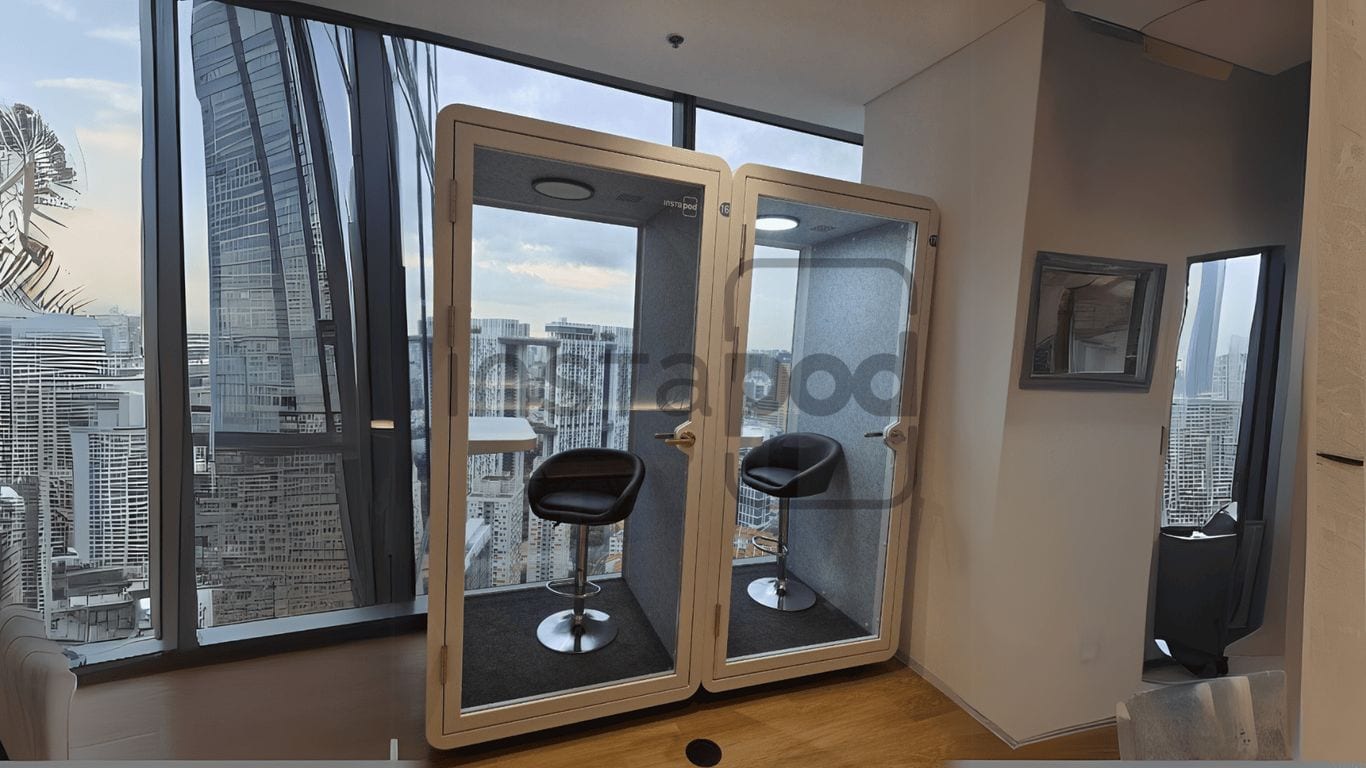
The way we work is changing, and our offices need to keep up. Traditional meeting rooms just don’t cut it anymore for a lot of teams. That’s where meeting pods come in. These little spaces are popping up everywhere, and for good reason. They’re not just about looking modern; they actually help people get more done and feel better about their workday. Let’s talk about how these pods are changing things.
Key Takeaways
- Meeting pods are great for hybrid work, offering private spots for calls and small team chats without disturbing others.
- Pods are smarter than old meeting rooms, often coming with ventilation, lights, and soundproofing built-in.
- You can customize pods to match your company’s look and how your team works, making them more than just furniture.
- Pods can help direct foot traffic in an office and act as quiet zones or buffer areas between noisy spots.
- Investing in pods can save money by reducing construction time, improving how space is used, and making employees happier.
Enhancing Collaboration with Meeting Pods
In today’s work environment, especially with hybrid models becoming the norm, how we collaborate needs a serious rethink. Traditional meeting rooms can feel a bit clunky, right? They’re often too big for quick chats or too small for proper team sessions. That’s where meeting pods step in. They’re not just little rooms; they’re designed to make teamwork smoother and more focused.
Meeting Pods for Hybrid Workplaces
Hybrid work means people are in the office sometimes, and remote other times. This makes coordinating meetings tricky. Meeting pods are great for this. They offer a private space for those in the office to connect with remote colleagues without the usual office noise. Think of them as dedicated spots for virtual meetings or small team sync-ups that don’t disrupt everyone else.
Why Meeting Pods Outperform Traditional Rooms
Let’s be honest, booking a big conference room for two people to have a quick chat is a waste of space. Pods are more efficient. They come with built-in ventilation, good lighting, and sound dampening, creating a comfortable spot for focused work or calls. They’re basically mini, high-tech workspaces that are ready to go.
Here’s a quick look at what makes them better:
- Space Efficiency: Perfect for small groups, unlike oversized traditional rooms.
- Privacy: Offers a quiet zone for confidential discussions or focused work.
- Tech Ready: Often include power outlets and good lighting for virtual calls.
- Flexibility: Can be placed where needed, adapting to office layout changes.
Pods help create a more dynamic office where different types of work can happen simultaneously without getting in each other’s way. It’s about giving people options for how and where they get their best work done.
Features That Make Meeting Pods Essential
What really makes these pods a game-changer? It’s the combination of practical features that address common office annoyances. They’re built for convenience and productivity. You get a private, quiet space that’s also comfortable and equipped for modern work needs. This means fewer distractions, better focus, and a more pleasant work experience overall. They’re becoming a standard part of a well-designed office.
The Future of Office Design: Customizable Pods
Customized Pods for Unique Workflows
Forget the one-size-fits-all approach. Today’s offices are realizing that a single meeting room design just doesn’t cut it anymore. Customizable pods are stepping in to fill that gap. Think of them as blank canvases for your team’s specific needs. Whether you need a quiet space for intense focus, a small hub for quick brainstorming, or a private spot for sensitive calls, these pods can be tailored. They’re not just furniture; they’re flexible environments designed around how your people actually work. This means you can configure everything from the internal layout to the tech inside, making sure the space actively supports your team’s tasks, not hinders them.
What Makes Customized Pods Unique?
What sets these customizable pods apart is their adaptability. They move beyond just being a soundproof pod or an office telephone booth. Companies are now branding them, matching them to their corporate colors and logos, turning them into extensions of their identity. You can choose:
- Seating arrangements: From individual focus chairs to small collaborative benches.
- Lighting options: Bright task lighting, softer ambient glows, or even adjustable settings.
- Acoustic treatments: Different levels of soundproofing depending on whether it’s a phone booth office or a small meeting space.
- Integrated technology: Built-in screens, charging ports, and even whiteboarding surfaces.
The real magic of customization lies in creating spaces that feel intentional. It’s about giving employees a sense of ownership and providing them with the exact environment they need to do their best work, whether that’s deep concentration or quick, informal chats.
Integrating Pods with Corporate Identity
Making pods part of your company’s look and feel is surprisingly easy and makes a big difference. It’s not just about slapping a logo on it. You can select finishes, colors, and even exterior glass treatments that align with your brand’s aesthetic. This integration helps reinforce your company culture and makes the office feel more cohesive. Imagine a cluster of pods in your company’s signature blue, each one a little branded sanctuary for focused work or private conversations. It’s a subtle but effective way to show that you’ve thought about employee experience down to the smallest detail.
Tech-Forward Features for Intelligent Pods
Tech Integration for Enhanced Functionality
Meeting pods are getting a serious upgrade, moving beyond just being a quiet box. They’re becoming smart hubs designed to make your work life easier. Think about integrated charging ports that actually work, so your phone or laptop never dies mid-call. Many now come with sensors that monitor air quality, making sure the space is fresh and comfortable. And forget about awkwardly hovering outside a pod, hoping someone leaves. Most new pods have digital booking systems, letting you reserve your spot right from your computer or phone. It’s about making the technology work for you, not the other way around.
Smart Technology in Modern Pods
These aren’t your grandma’s meeting rooms. Modern pods are packed with tech that anticipates your needs. Occupancy sensors, for instance, tell the system how many people are inside, which can then adjust lighting and ventilation automatically. This means less wasted energy and a more comfortable environment for whoever is using the pod. Some even have touchscreens or app controls to fine-tune the climate or lighting to your liking. It feels almost like the pod knows what you need before you do.
Here’s a quick look at some smart features:
- Occupancy Sensors: Track usage to help optimize placement and energy use.
- App-Based Booking: Reserve pods quickly and easily, avoiding wasted time.
- Adjustable Lighting: Improve comfort and focus for any task.
- Air Quality Monitoring: Maintain fresh, comfortable conditions for better well-being.
The goal is to create a private spot that feels good to be in and helps you get your work done, all while being efficient.
AR/VR Support in Meeting Pods
For teams really pushing the boundaries, some advanced pods are being prepped for augmented reality (AR) and virtual reality (VR) collaboration. This means they come with the right cabling, mounting points, and even some shielding built-in, so you can jump into mixed-reality meetings without a hassle. It’s a glimpse into how these pods will support even more immersive ways of working together in the future. Even a simple phone pod can be equipped for these advanced uses, making it a versatile space.
Strategic Placement and Use Cases for Pods
Pods as Wayfinding Landmarks and Buffer Zones
Think about how you navigate a big building. Sometimes, you just need a visual cue, right? Meeting pods can actually help with that. Placed strategically, they act like little beacons, making it easier for people to find their way around different areas of the office. They’re not just furniture; they become part of the office’s map. Plus, putting them between a busy, noisy zone and a quiet work area can really help. They soak up some of the sound and stop that feeling of being constantly interrupted. It’s like creating little pockets of calm where you need them most.
Unexpected Use Cases for Meeting Pods
We usually think of pods for quick calls or small meetings, but they can do so much more. Imagine using a pod for practicing a presentation before a big client meeting – you get privacy and can even use the built-in screen. Or, what about setting them up as dedicated "quiet break" zones? Sometimes, you just need a few minutes to yourself to recharge, away from all the office buzz. They’re also great for interviews or onboarding new hires, giving you a private space without needing to book a whole conference room. You could even place a small pod right next to a busy team area as an instant overflow space for quick chats.
Pods as Traffic Shaping Tools
Office layouts can sometimes get a bit messy with people bumping into each other or creating bottlenecks. Meeting pods can actually help smooth out the flow of people. By placing them thoughtfully, you can subtly guide foot traffic, preventing those awkward jams in hallways or around popular spots. They can redirect people away from sensitive areas or create clearer pathways to different departments. It’s a simple way to make the office feel more organized and less chaotic, just by rearranging where you put these little spaces.
Placing pods isn’t just about adding more rooms; it’s about actively designing how people move and interact within the office space. They become tools to manage the flow of your workday.
Here are a few ways pods can help manage office flow:
- Guide movement: Use pods to create natural pathways and discourage shortcuts through work zones.
- Create zones: Separate different types of work areas, like quiet zones from collaborative hubs, with pods acting as dividers.
- Manage density: Place pods in high-traffic areas to break up congestion and provide temporary resting or meeting spots.
- Reconfigure layouts: Because they’re often movable, pods allow for quick adjustments to office flow as needs change.
Maximizing ROI with Meeting Pods
So, you’ve got these meeting pods, and they look pretty slick. But are they actually paying for themselves? It’s not just about saving money on not building walls, though that’s a part of it. The real win comes from how they make your whole operation run smoother and keep people happier.
ROI from Efficiency and Engagement
Think about it: putting up permanent rooms takes ages. Pods? They can be up and running in a day or two. That means less disruption, less downtime. Plus, if your company’s needs change, you can move these pods around or even upgrade them. You’re not stuck with fixed walls. They also soak up a lot of those small, quick meetings that would otherwise hog a big conference room, making better use of all your space. And honestly, when employees have a nice, private spot to work or chat, they tend to stick around longer and feel more connected to the place. It’s a perk that really does pay off.
Reduced Downtime and Better Asset Utilisation
When you install pods, the construction hassle is minimal. We’re talking hours or days, not weeks. This means your teams can get back to work faster without a big construction zone messing up the flow. And these pods aren’t like permanent fixtures. You can rent them, swap them out, or redeploy them to different parts of the office if your layout needs a tweak. This flexibility means your money isn’t tied up in fixed structures that you can’t change later. It’s a much smarter way to use your office budget.
Employee Retention and Satisfaction
Giving your staff a bit more control over their work environment goes a long way. Having a quiet, private space available when they need it – whether for a focused task or a confidential call – makes a real difference in their day. It shows you care about their comfort and productivity. This kind of thoughtful addition can really boost morale and make people feel more valued, which, in turn, helps keep them with your company. Happy employees are productive employees, after all.
Implementation Best Practices for Pods
So, you’ve decided meeting pods are the way to go. That’s great! But just buying them isn’t the whole story. You’ve got to put them in the right spots and make sure people actually use them the way they’re supposed to. It’s like buying a fancy new tool – you need to know how to use it to get anything done.
Balancing Pod Clusters and Dispersion
Think about where you’re putting these pods. Sometimes, putting a bunch of them all together in one area, like a "pod bank," makes sense. It can create a dedicated zone for focused work or quick chats. Other times, spreading them out more evenly across different departments or floors works better. This way, people don’t have to walk too far to find a quiet spot. It really depends on your office layout and how your teams move around.
- Clustering: Good for creating a focused
Measuring the Success of Your Pod Investment
So, you’ve gone and put these meeting pods in your office. That’s great! But how do you actually know if they’re doing their job? It’s not enough to just install them and hope for the best. You need to check if they’re actually helping people work better and if they were worth the money. It’s like buying a new tool – you want to make sure it’s actually making your job easier, right?
Key Metrics for Pod Utilisation
This is probably the most straightforward way to see if people are using the pods. You want to know how often they’re occupied versus how often they’re just sitting there empty. A high utilisation rate means you’ve got a popular feature. We’re talking about things like:
- Occupancy Rate: What percentage of the available hours are the pods actually being used? A pod that’s booked 80% of the time is clearly a hit.
- Booking Data: If you have a booking system, look at how many requests you get versus how many you can fulfill. High rejection rates mean you might need more pods, or maybe bigger ones.
- User Turnover: How many different people use a pod in a single day? A pod that sees a lot of different users suggests it’s a versatile space.
Here’s a quick look at what good numbers might look like:
| Metric | Target Range | Notes |
|---|---|---|
| Daily Utilisation | 60-80% | Varies by pod type and office layout |
| Booking Success Rate | >90% | Indicates sufficient availability |
| Average Session Time | 30-60 mins | Suggests efficient use for intended purpose |
Gathering Employee Feedback
Numbers only tell part of the story, though. You really need to hear from the people using the pods. Are they comfortable? Is the tech working? Do they actually help people focus or collaborate better? You can do this through:
- Short online surveys sent out periodically.
- Informal chats with teams who use the pods frequently.
- A suggestion box or digital feedback channel specifically for workspace features.
It’s easy to get caught up in the technical specs and the numbers, but remember these pods are for people. Their experience is the ultimate measure of success. If employees find them noisy, cramped, or difficult to use, then even perfect utilisation stats don’t mean much.
Monitoring Acoustic Spillover
One of the big reasons companies get meeting pods is to cut down on noise. So, you need to check if they’re actually doing that. Are people complaining less about distractions from nearby conversations or phone calls? This is a bit trickier to measure directly, but you can look for:
- Reduced complaints logged by facilities management about noise.
- Employee feedback specifically mentioning improved quietness or reduced distractions.
- Observing if the pods create a noticeable difference in the ambient noise level in surrounding open-plan areas.
By keeping an eye on these things, you can really tell if your investment in meeting pods is paying off and make smart adjustments along the way.
Wrapping Up: The Future is Pod-Like
So, there you have it. These meeting pods aren’t just fancy new furniture; they’re really changing how we work, especially with everyone doing a bit of remote and in-office stuff. They give people that much-needed quiet space without taking up a ton of room. Plus, you can actually make them look like they belong in your office, which is pretty neat. It feels like these pods are here to stay, making offices more flexible and, honestly, a bit more human. If you’re thinking about updating your workspace, definitely give these a look. They might just be the smart move for your team.
Frequently Asked Questions
What exactly are these meeting pods?
Think of meeting pods as small, private rooms you can put almost anywhere in an office. They’re great for quick chats, calls, or when you need a quiet spot away from the main office buzz. They help teams work together better, especially when people are working from home sometimes and sometimes in the office.
Why are pods better than regular meeting rooms?
Pods are usually quicker to set up and don’t need major building work like a new room. They also often have built-in features like good lighting, fresh air, and soundproofing, making them super comfy and productive. Plus, they can be moved around if you need to change your office layout.
Can I make the pods look like my company’s style?
Absolutely! Many pods can be customized. You can pick colors, finishes, and even add your company’s logo. This makes them feel like a natural part of your office and shows off your company’s personality.
What kind of cool tech can be in these pods?
Some pods come with smart tech! They might have sensors to see if they’re being used, systems to book them easily on your phone, and even controls for lights and air. Some are even set up for future tech like virtual reality.
Where’s the best place to put these pods in an office?
You can place pods strategically. They can act like signs to help people find their way around, or they can be put between noisy and quiet areas to help block sound. They can also help guide how people walk through the office.
How do I know if buying pods was a good idea?
You can tell if pods are working by looking at how often people use them and if they’re helping teams work better. Asking employees what they think and checking if they make the office quieter are also good ways to measure success.
The post Discover the Future with the Innovative Pods for Meetings appeared first on InstaPod Malaysia.