
Designing the Perfect Workplace Pod: How Malaysia’s Top Corporate Offices are Boosting Focus and Collaboration
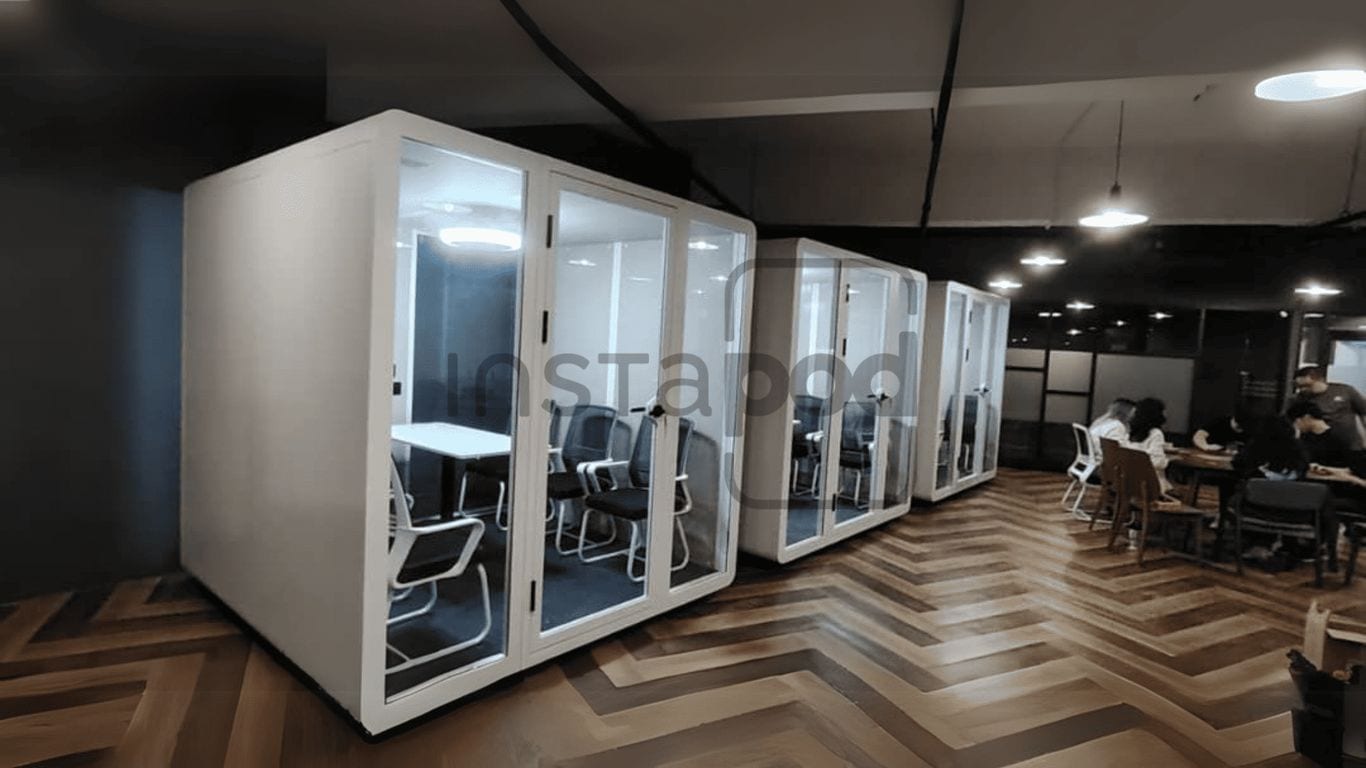
If you’re thinking about updating your office or adding a workplace pod, here are some things to remember:
Key Takeaways
- Comfort matters—choose furniture that helps people sit and work without pain.
- Standing desks and adjustable chairs let workers move and stay comfortable all day.
- Privacy pods give employees a quiet spot to focus or take a private call.
- Good lighting and sound panels make the office feel better and help people concentrate.
- Break rooms and mindfulness spaces help everyone relax and recharge during the day.
1. Ergonomic Furniture
When we talk about designing a good workspace, especially in Malaysia’s busy corporate scene, the first thing that really matters is the furniture. It’s not just about making the office look nice; it’s about how people actually feel and work in that space all day long. Getting the right ergonomic furniture is key to keeping employees comfortable and productive. Think about chairs that actually support your back, not just look good. We’re talking about chairs that can be adjusted in all the right ways – height, armrests, and back support. It makes a big difference, especially for folks who spend hours at their desks.
Then there are the desks. Some people like to sit, others prefer to stand, and some like to switch it up. Having desks that can be adjusted, whether they go up and down or have different height options, really helps. It stops people from getting stiff and tired from sitting in one position for too long. Plus, having a workspace that’s set up right, with your monitor at eye level and your keyboard and mouse in a comfortable spot, means fewer aches and pains later on. It’s all about making the physical space work for the person using it, not the other way around.
Here are a few things to look for:
- Adjustable Chairs: Look for chairs with good lumbar support, adjustable height, and armrests. This helps maintain good posture.
- Height-Adjustable Desks: These allow employees to switch between sitting and standing, which can improve circulation and reduce fatigue.
- Supportive Workstations: Ensure there’s enough space for monitors, keyboards, and other essentials, arranged so they don’t cause strain.
Setting up furniture correctly isn’t a one-time thing. It’s about creating an environment where people can work comfortably for extended periods without developing strain or discomfort. This attention to physical well-being directly translates into better focus and fewer distractions throughout the workday.
2. Standing Desks
Let’s talk about standing desks. You know, those adjustable ones that let you switch between sitting and standing throughout the day. It’s a pretty simple idea, but it can make a big difference. Sitting for hours on end isn’t exactly great for us, right? It can make you feel sluggish and stiff.
Standing desks offer a way to break up that sedentary routine without disrupting your workflow. They’re becoming a common sight in modern Malaysian offices because they encourage a bit more movement. Think about it: you can easily shift your weight, do a little stretch, or just change your posture without having to leave your workspace. This simple act can help with circulation and keep you feeling more alert.
Here’s why they’re a good idea:
- Reduces Sedentary Time: Directly combats the negative effects of prolonged sitting.
- Boosts Energy Levels: Standing can make you feel more engaged and less prone to that afternoon slump.
- Improves Posture: Encourages better alignment of the spine when used correctly.
Many companies are finding that offering standing desk options is a straightforward way to support employee well-being. It’s not about forcing anyone to stand all day, but about giving them the choice to move more freely. This flexibility can lead to a more dynamic and comfortable work environment for everyone.
When setting them up, make sure the desk height is right for you when standing, so your elbows are at about a 90-degree angle when typing. It’s all about finding that sweet spot that works for your body.
3. Adjustable Chairs
When we talk about making a workspace comfortable, the chair is a big deal. It’s not just about having a place to sit; it’s about having a place that supports you properly all day long. Adjustable chairs are key because everyone’s body is different. What works for one person might not work for another, and that’s where adjustability comes in.
Think about all the things you can tweak on a good office chair. You’ve got height adjustment, obviously, so your feet can rest flat on the floor and your desk is at the right level. Then there’s lumbar support – that’s the curve in the lower back. Some chairs let you move this up and down, or even in and out, to fit your spine’s natural shape. Armrests are another big one; they should be adjustable so your shoulders can relax and your arms can rest comfortably without hunching. And don’t forget about the recline and tilt features. Being able to lean back a bit can really help relieve pressure during long work sessions.
Here’s a quick rundown of what to look for:
- Seat Height: Should allow feet to be flat on the floor with knees at about a 90-degree angle.
- Lumbar Support: Adjustable support for the lower back curve is a must.
- Armrests: Should be adjustable in height and width to support relaxed shoulders.
- Seat Depth: Enough space to fit a few fingers between the edge of the seat and the back of your knees.
- Backrest Tilt: Allows for movement and changes in posture throughout the day.
Getting the right chair isn’t just about avoiding a sore back. It’s about setting yourself up for better focus and less fatigue. When your body is comfortable and supported, your mind is free to concentrate on the task at hand, not on fidgeting to find a comfortable position.
4. Supportive Workstations
Beyond just a desk and a chair, supportive workstations are about creating an environment where people can actually get their work done without feeling like they’re fighting their setup. Think about how much time we spend at our desks – it really adds up. Making sure that space is set up right can make a huge difference in how we feel and how productive we are.
The goal is to minimize strain and maximize comfort, allowing for natural movement throughout the day. This means looking at the details, like screen height and how easily you can reach things. It’s not just about looking good; it’s about function.
Here are some key elements that make a workstation truly supportive:
- Adjustable Components: This is a big one. Think about chairs that go up and down, tilt, and offer lumbar support. Desks that can be raised or lowered are also fantastic for switching between sitting and standing.
- Proper Screen Placement: Your monitor should be at eye level, about an arm’s length away. This prevents hunching and neck strain. Using monitor arms or stands can help achieve this easily.
- Accessible Storage and Tools: Keep frequently used items within easy reach. This reduces unnecessary stretching and movement, saving energy and time. Think about desk organizers, shelves, or drawers that are conveniently located.
- Cable Management: A messy tangle of wires isn’t just unsightly; it can be a tripping hazard and make cleaning difficult. Good cable management keeps things tidy and safe.
A well-designed workstation isn’t a luxury; it’s a necessity for sustained focus and physical well-being. When employees don’t have to think about discomfort, they can direct all their energy towards their tasks. It’s about creating a space that works for the person, not against them.
5. Privacy Pods
Even in offices designed for open communication, sometimes people just need a quiet corner. That’s where privacy pods come in. These aren’t just fancy phone booths; they’re small, enclosed spaces that give employees a place to escape the main workspace for a bit. Think of them as personal sanctuaries within the office.
These pods are essential for balancing collaboration with the need for focused work and private conversations. Whether it’s a quick one-on-one discussion, a sensitive client call, or just a moment to concentrate without distractions, a privacy pod offers a solution. They can range from simple, sound-dampened booths for individual use, often called an instapod, to slightly larger units designed for small group meetings, sometimes referred to as a discussion pod.
Here’s why they’re becoming a staple:
- Boosts Concentration: Employees can tackle tasks requiring deep focus without the usual office noise.
- Facilitates Confidentiality: Perfect for private calls, sensitive discussions, or confidential work.
- Reduces Distractions: Offers a much-needed break from the constant buzz of an open office.
- Supports Well-being: Provides a personal space for employees to decompress and manage their environment.
The idea is to give people control over their immediate surroundings. When employees can choose to step into a private space, it shows the company respects their need for different types of work settings.
Companies are finding that having these dedicated quiet zones helps everyone, from junior staff to senior management, manage their workday more effectively. It’s a simple addition that makes a big difference in how people feel about their workspace and how productive they can be.
6. Collaboration Spaces
Beyond individual focus zones, modern Malaysian offices are really leaning into creating dynamic collaboration spaces. These aren’t just random tables thrown together; they’re thoughtfully designed areas meant to spark ideas and make teamwork feel natural. Think about spaces that encourage spontaneous chats, quick huddles, or even more structured brainstorming sessions. The goal is to break down silos and get people talking, sharing, and building on each other’s thoughts.
These spaces often feature flexible furniture that can be rearranged easily, whiteboards or digital screens for visualising ideas, and comfortable seating arrangements that feel more like a lounge than a formal meeting room. It’s about creating an environment where people feel comfortable approaching each other and working together.
Here’s what makes a good collaboration space:
- Accessibility: Easy to find and use, not tucked away in a corner.
- Flexibility: Furniture and layout can adapt to different group sizes and activities.
- Technology Integration: Access to screens, power outlets, and reliable Wi-Fi.
- Comfort: Inviting atmosphere that encourages people to linger and interact.
The best collaboration spaces feel organic, almost like an extension of the main work area but with a distinct purpose. They should invite interaction without being overly disruptive to those nearby.
Companies are realizing that not all collaboration happens in scheduled meetings. Sometimes, the best ideas come from a quick chat by the coffee machine or a spontaneous whiteboard session. Providing dedicated, well-equipped spaces for these moments is key to boosting innovation and team synergy.
7. Natural Light
You know, one of the simplest things that can make a huge difference in how people feel at work is just letting in more sunshine. It sounds obvious, right? But so many offices are still stuck with harsh overhead lights that just drain the energy out of the room. Bringing natural light into the workspace isn’t just about making it look nicer; it actually impacts how people feel and perform.
Think about it – when you’re working near a window, you probably feel a bit more awake, less tired. Studies have shown that good natural light can actually reduce eye strain and headaches, which are super common complaints in offices. Plus, it’s been linked to better moods and even improved sleep patterns. Who wouldn’t want a happier, more alert team?
Here’s why it’s a big deal:
- Boosts Mood and Energy: Sunlight naturally helps regulate our body clocks, making us feel more alert and less sluggish during the day.
- Reduces Eye Strain: Natural light is easier on the eyes than artificial sources, cutting down on discomfort and fatigue.
- Improves Focus: Studies suggest that access to natural light can lead to better concentration and fewer errors.
- Connects to the Outdoors: Even just a view of the outside can make a space feel more open and less confining.
Designing with natural light in mind means thinking about window placement, using lighter colors on walls to reflect light, and avoiding tall furniture or partitions that block the sun. It’s about creating an environment that feels open and airy, not like a cave.
Of course, not every spot can have a window, and sometimes the sun can be too bright. That’s where smart design comes in. Using sheer blinds or strategically placing workstations can help manage glare. Sometimes, task lighting is needed to supplement, but the goal is always to make natural light the star of the show. It’s a relatively low-cost way to make a big impact on employee well-being and productivity.
8. Acoustic Panels
Open offices are great for getting people talking, but sometimes, all that chatter can get pretty loud. It’s hard to concentrate when there’s always something going on around you. That’s where acoustic panels come in. These aren’t just fancy wall decorations; they actually absorb sound, making the whole space much quieter.
Think about it: you’re trying to finish a report, and someone’s on a loud call nearby. Annoying, right? Acoustic panels help stop that noise from bouncing around. They can be put on walls, ceilings, or even hung as baffles. They make a big difference in how focused people can be.
Here’s a quick look at how they help:
- Reduce Echo: They soak up sound waves, so conversations and noises don’t echo all over the place.
- Improve Clarity: When you’re on a call, your voice comes through clearer because background noise is cut down.
- Create Quiet Zones: They help define areas where people can work without constant interruptions.
Sometimes, companies will even use special acoustic pod setups for really quiet work or private calls. These are like mini rooms designed to be super soundproof. But even just adding panels to the main office area can make a huge difference in the overall atmosphere and how well people can get their work done without feeling overwhelmed by noise.
9. Break Rooms
It’s easy to get caught up in the hustle of work, but everyone needs a moment to step away and just… be. That’s where break rooms come in. These aren’t just places to grab a coffee; they’re vital spots for recharging and casual connection. A well-designed break room can actually boost productivity by giving people a proper mental reset.
Think about what makes a break room actually feel like a break. It’s not just about having a table and chairs. It’s about creating an atmosphere that’s different from the main work area. Maybe it’s softer lighting, some comfortable seating options, or even just a different color scheme. The goal is to signal to your brain, ‘Okay, time to switch off for a bit.’
Here are a few things that make a big difference:
- Comfortable Seating: Forget those hard plastic chairs. Think comfy sofas, armchairs, or even beanbags. Places where people can actually relax.
- Refreshment Station: Beyond just coffee, consider offering some healthy snacks, a variety of teas, or even a water cooler with fruit infusions. Little touches go a long way.
- Distraction-Free Zone: While it’s a place for breaks, it shouldn’t be so noisy or chaotic that people can’t actually unwind. Some separation from the main work floor helps.
- A Touch of Green: Plants can make a space feel more welcoming and less sterile. They add a bit of life and can even help purify the air.
The best break rooms are ones that employees actually want to use. They become informal hubs where people can chat, share ideas without the pressure of a formal meeting, or simply enjoy a quiet moment alone. It’s about giving people a choice and respecting their need for downtime.
10. Mindfulness Office
A mindfulness office isn’t just a trend — it’s becoming pretty standard in top office pod Malaysia projects. Adding spaces focused on mental clarity and stress reduction is now key for modern workspaces. Employees are constantly bombarded with emails, meetings, and the general buzz of activity, so it’s no surprise that more companies are turning to mindfulness rooms as an antidote to burnout.
Here’s what sets a mindfulness-focused office pod apart:
- Quiet zones for meditation, stretching, or simple breathing exercises
- Soft or natural lighting rather than harsh overhead lights
- Flexible furniture that supports a range of uses, from contemplation to yoga
Block out space in your layout, even if it’s small. What matters is signaling that taking a short break to reset, away from the main bustle, is genuinely encouraged. Consider adding calming details like indoor plants, gentle wall colors, or sound machines for ambient noise.
| Feature | Purpose |
|---|---|
| Soundproofed walls | Minimize distractions |
| Adjustable lighting | Set mood for relaxation |
| Comfortable mats | Enable low-intensity movement |
Stepping into a mindfulness pod mid-shift can help you shake off tension and return with a clearer head, sometimes with more creative solutions than you expected.
If you’re looking to invest in or upgrade an office pod Malaysia businesses already love, start with a dedicated spot for mindfulness. It doesn’t take much to set up, but the payoff for focus and well-being is huge.
Conclusion
Designing the perfect workplace pod isn’t just about buying new furniture or adding a few plants. It’s about thinking of your team and what helps them do their best work, day in and day out. From comfy chairs to quiet pods, every detail counts. Malaysia’s top offices are showing that with the right mix of focus and collaboration, people really can work better together. If you want your team to be happier and more productive, start with the space they use every day.
Frequently Asked Questions
What is a workplace pod?
A workplace pod is a small, private space in an office where you can work alone or have a quiet meeting. It helps people focus or talk without being disturbed.
Why do offices in Malaysia use workplace pods?
Many offices in Malaysia use workplace pods because they help workers focus better and make private calls. They also give people a break from noisy, open spaces.
Are standing desks really helpful?
Yes, standing desks can help. They let people stand up and move more instead of sitting all day, which is better for your body.
How do acoustic panels work in an office?
Acoustic panels help keep the office quiet by absorbing sound. This makes it easier for everyone to concentrate and not get distracted by noise.
Why is natural light important in a workplace pod?
Natural light makes people feel happier and less tired. It can also help you work better and stay healthy.
What makes a good break room?
A good break room has comfy seats, snacks, and maybe some games or books. It’s a place where people can relax and take a real break from work.
The post Designing the Perfect Workplace Pod: How Malaysia’s Top Corporate Offices are Boosting Focus and Collaboration appeared first on InstaPod Malaysia.