
Acoustic Zoning: Where to Place an Office Phone Booth in an Open-Plan Layout
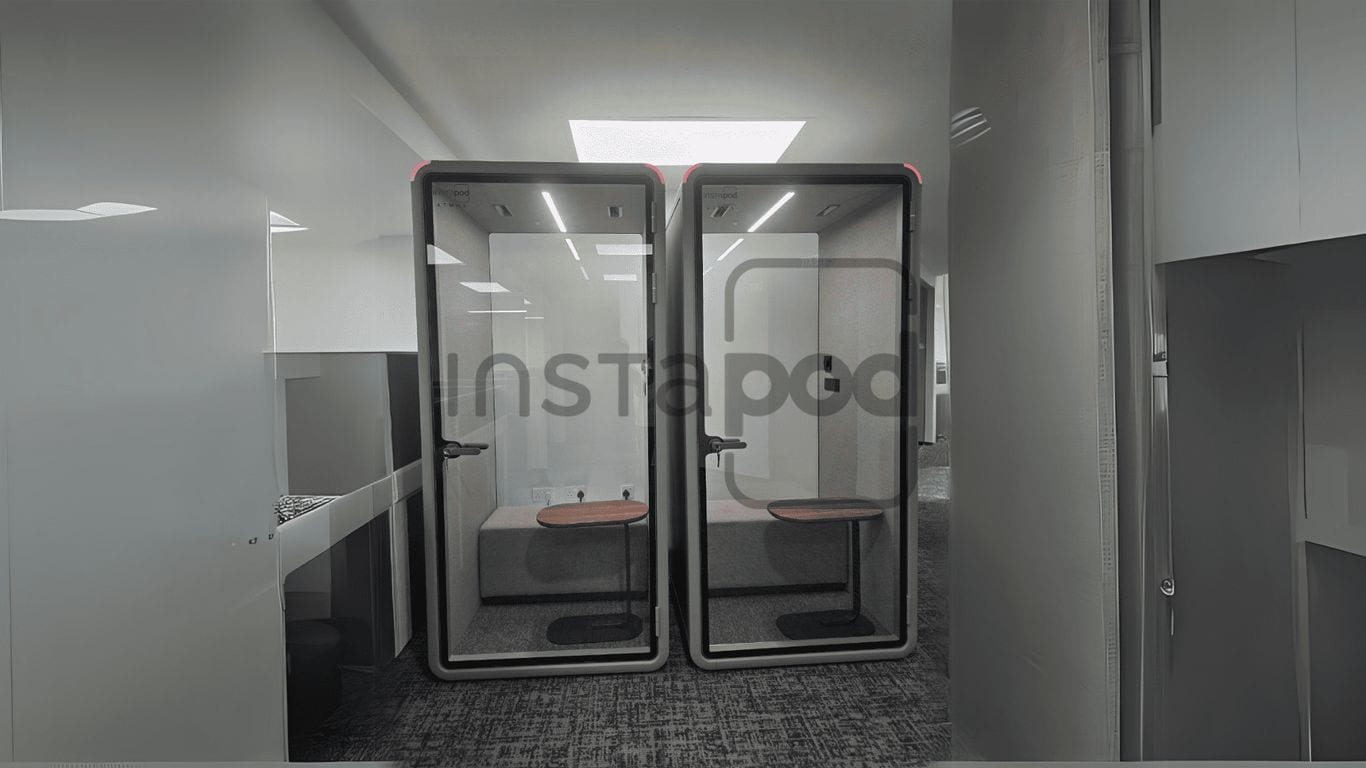
Open-plan offices are great for collaboration, but sometimes you just need a quiet spot to take a call or focus. That’s where the office phone booth comes in. These little soundproof spaces can make a big difference in how productive and comfortable everyone feels. But where do you put them? It’s not just about sticking them anywhere. Strategic placement is key to making sure they actually get used and don’t just become awkward obstacles. Let’s talk about how to get it right.
Key Takeaways
- An office phone booth can help create quiet zones in busy open-plan spaces, offering a private spot for calls and focused work.
- Placing booths near work areas but not directly in main walkways balances easy access with minimizing disruption to others.
- These booths act as ‘whisper points’ near lively areas or ‘islands of concentration’ within active zones, improving focus.
- Consider ventilation, comfort, and tech integration within the office phone booth for a good user experience.
- Acoustic zoning with booths helps manage noise, supports hybrid work, and can be integrated aesthetically into the office design.
Strategic Placement Of An Office Phone Booth
Creating Quiet Havens Amidst Open-Plan Buzz
So, you’ve got this open-plan office, right? It’s great for collaboration, but sometimes you just need to make a private call or have a quick video chat without everyone overhearing. That’s where the humble office phone booth comes in. Think of them as little soundproof sanctuaries dropped right into the middle of the action. The key is placing them where they make sense for people, not just where there’s empty space. You don’t want someone having to walk halfway across the office for a two-minute call, but you also don’t want the booth right next to the coffee machine where all the chatter happens.
Balancing Accessibility With Minimal Disturbance
Finding that sweet spot for your phone booth for office use is all about balance. You want it easy to get to, but not so close to high-traffic areas that the noise from the hallway or the main work zones seeps in. Consider placing them near the edges of collaborative zones or departmental areas. This way, someone can duck in quickly without disrupting a big meeting or a focused work session happening nearby. It’s like creating little pockets of quiet without completely isolating people.
- Near, but not too near: Position booths adjacent to team areas but a few feet away from the main walkways. This offers quick access without constant foot traffic passing by.
- Visual cues: Use subtle floor markings or lighting to guide people to the booths, making them easy to find without being obtrusive.
- Consider the flow: Think about how people move around the office. Placing booths along natural paths, but slightly off to the side, works well.
Integrating Booths Into Circulation And Departmental Borders
Think of your office layout like a map. Where do people naturally walk? Where do different teams sit? Placing a phone booth conference room right where two departments meet can be a smart move. It serves both groups without needing a dedicated space for each. It also helps to visually and acoustically break up larger open areas. You can even use them to create informal boundaries between different types of workspaces, like separating a quiet focus zone from a more active collaboration hub. It’s a practical way to manage noise and provide privacy where it’s needed most, without a major office overhaul.
Placing these acoustic booths strategically can significantly improve the overall work environment. They act as functional pieces of furniture that also solve a real problem: the lack of private space in open-plan settings. It’s about making the office work better for everyone, from the person taking a confidential client call to the team member needing a quiet moment to concentrate.
Enhancing Productivity With Acoustic Zoning
Open-plan offices are great for collaboration, but let’s be real, they can get noisy. That’s where acoustic zoning comes in. It’s all about smartly dividing your office space so different activities can happen without driving each other crazy. Think of it like creating different neighborhoods within your office, each with its own vibe and sound level.
Defining Zones For Focused Work And Collaboration
This is the core idea: not everyone needs to be in a loud, chatty area all the time. By setting up distinct zones, you give people options. You can have lively areas for brainstorming and team huddles, and then, crucially, you can create quiet zones for tasks that need deep concentration. This isn’t just about putting up walls; it’s about intentional design.
- High-Energy Zones: These are your collaborative hubs, break areas, or project rooms. Expect more chatter and movement here. They’re designed to be dynamic.
- Low-Energy Zones: This is where the quiet work happens. Think individual desks in quieter corners, libraries, or, you guessed it, phone booths.
- Transitional Zones: These are buffer areas, often hallways or open spaces between departments, that can help manage sound flow.
Utilizing Booths As ‘Whisper Points’ Near Busy Areas
Phone booths are perfect for this. Instead of making someone walk all the way to a designated quiet zone for a quick call, strategically place booths near busier spots. This way, a quick chat or a short video call doesn’t disrupt the entire floor. It’s like having a soundproof mini-office right where you need it, minimizing the impact on everyone else.
The key is to place these booths where they serve a purpose without becoming a new source of noise or a bottleneck in busy pathways. They act as localized sound control, absorbing the noise of a conversation and preventing it from spreading.
Establishing ‘Islands Of Concentration’ Within Active Spaces
Imagine your office floor as a busy city street. Phone booths are like little quiet cafes or private rooms you can duck into. They offer a refuge from the general office hum. Placing them thoughtfully, perhaps near departments that have a lot of impromptu discussions or frequent calls, creates these much-needed ‘islands of concentration’. This allows individuals to step away from the main activity, take a private call, or focus on a task without being overwhelmed by the surrounding noise. It’s about giving people control over their immediate acoustic environment, which really helps with focus and overall job satisfaction.
Optimizing Office Phone Booth Functionality
Ensuring Adequate Ventilation For Extended Use
When you’re in a call pod for a long meeting or a deep work session, the last thing you want is for the air to get stale. Good airflow is a big deal. Modern office phone booths are designed with this in mind, often featuring systems that change the air many times every hour. This keeps carbon dioxide levels down and prevents heat buildup, making it comfortable to stay inside for longer periods. Look for booths with quiet fans and clear paths for air to come in and go out. The goal is to keep the temperature inside similar to the rest of the office, so you don’t feel stuffy or too cold.
Prioritizing Ergonomic Design For User Comfort
It’s not just about having a quiet space; it’s about being comfortable while you’re in it. An ergonomic call pod usually has a stable surface at desk height, perfect for a laptop or notebook. Seating can vary, from a simple stool to a more comfortable chair, or even a leaning support. The layout should give you enough legroom and space to move around a bit. Accessibility is also key, with easy entry for people of all mobilities. These details matter, whether you’re on a quick call or settling in for a few hours of focused work.
Integrating Smart Technology For Seamless Workflows
Today’s office phone booths are more than just soundproof boxes. They often come with built-in features that make working inside much easier. Think about integrated LED lighting that you can control, sensors that show if the booth is occupied, and plenty of power outlets, including USB-C ports for charging devices. Reliable Wi-Fi or data connections are also standard, which is pretty important for video calls. Simple controls for lights and ventilation, along with automatic occupancy signals, mean you can just walk in and get to work without fuss. It’s like having a mini, private office ready to go whenever you need it.
The effectiveness of a call pod hinges on its ability to support sustained use without discomfort. This means paying close attention to environmental factors like air quality and temperature, alongside physical comfort and the availability of necessary tools for work.
Acoustic Considerations For Booth Placement
When you’re thinking about where to put these little quiet boxes, the noise level of your office is the first thing to really get a handle on. Most open-plan offices are pretty loud, often hitting somewhere between 46 and 58 decibels. That’s enough to make private calls tough and focusing a real challenge. The goal is to create a bubble of quiet where conversations can’t be overheard.
Understanding Noise Levels In Open-Plan Environments
It’s not just about the general hum; it’s about how sound travels. In a busy office, conversations, keyboard clicks, and even the whir of the printer all add up. These booths are designed to cut down on that noise, but their effectiveness really depends on how well they’re placed.
Achieving Speech Privacy With Sound Reduction
What makes a booth actually private? It’s all about sound reduction. Ideally, a good phone booth should reduce speech levels by at least 25 decibels. This is often measured using standards like ISO 23351-1, and getting a ‘Class B’ rating or better means your private chats are staying private. It’s like having a mini soundproof room.
Leveraging Sound-Absorbing Materials In Booth Design
Inside the booth, the materials play a big part. Think layered construction, special fabrics, and panels that soak up sound. This isn’t just about looking good; it’s about stopping echoes and preventing sound from leaking out. The better the materials, the more effective the booth is at creating that quiet zone.
Placing these booths strategically means thinking about where the loudest areas are and where people need the most peace. It’s a balancing act between making them accessible and making sure they actually work as quiet spaces.
The Role Of Office Phone Booths In Hybrid Work
Providing Flexible Micro-Spaces For Remote Collaboration
Hybrid work means people aren’t always in the office, and when they are, their needs change daily. Fixed desks don’t always cut it anymore. Phone booths step in as these handy, bookable little rooms. They’re perfect for when someone needs to jump on a video call with their remote team, do some focused work away from the desk chatter, or just have a private conversation without everyone overhearing. Think of them as on-demand quiet zones that pop up right where you need them.
Supporting Fluid Work Styles With Easy Transitions
Open-plan offices are great for collaboration, but they can be loud. A phone booth placed strategically can help people switch gears quickly. Someone might be brainstorming with colleagues at a table, then need to step into a nearby booth for a confidential client call or a deep-thinking session. This ability to move between different work modes – social, collaborative, and private – without leaving the general work area makes the whole day feel less disruptive and more productive. It supports how people actually want to work now, not how offices used to be set up.
Enhancing Employee Wellbeing Through Environmental Control
Let’s be honest, constant noise in an open office can be draining. Studies show that noise levels above a certain point can really stress people out and make it hard to concentrate. Phone booths offer a simple way for employees to control their immediate environment. They can step into a booth to escape the noise, get some quiet, and recharge. This isn’t just about productivity; it’s about making the office a more pleasant place to be, reducing burnout, and giving people a sense of personal space and control over their workday.
The modern office needs to be adaptable. Phone booths are a smart way to add private spaces without a major renovation. They can be moved or added as needs change, fitting right into a flexible workspace strategy. This means companies can scale their private space offerings up or down without a lot of hassle.
Here’s a quick look at how booths help:
- Quick Private Calls: Step away from desk noise for important conversations.
- Video Meeting Zones: Dedicated spots for clear audio and video without background distractions.
- Focus Areas: A temporary escape for tasks requiring deep concentration.
- Reduced Stress: Offering a quiet retreat helps manage the sensory overload of open plans.
Aesthetic Integration Of Acoustic Booths
Matching Booth Finishes To Office Aesthetics
When you’re thinking about adding phone booths to your open-plan office, it’s easy to get caught up in all the technical stuff like soundproofing and ventilation. But let’s be real, how the booth looks matters too. Nobody wants a clunky, out-of-place box ruining the vibe of their carefully designed workspace. The good news is, acoustic booths don’t have to be eyesores. Many companies now offer booths with finishes that can match your existing office decor. Think about wood grains that complement your desks, or fabric colors that tie into your brand palette. It’s all about making these functional pieces feel like a natural extension of your office’s style.
Creating Coherent Visuals With Pods And Workspaces
To really make your office flow, you want everything to look like it belongs together. This means thinking about how the phone booths fit in with other furniture and zones. If you have a modern, minimalist office, you’ll want booths with clean lines and simple designs. If your office is more playful, maybe you can opt for booths with brighter colors or unique shapes. It’s like putting together a puzzle; each piece needs to fit. You can even group different types of pods together – maybe a few single phone booths near a larger meeting pod – to create a cohesive little hub.
Here’s a quick look at how different finishes can work:
| Booth Finish | Best For Office Style |
|---|---|
| Natural Wood Veneer | Warm, traditional, or Scandinavian |
| Matte Laminate (various colors) | Modern, minimalist, or industrial |
| Upholstered Fabric | Cozy, collaborative, or creative spaces |
| Glass (frosted or clear) | Sleek, contemporary, or high-tech |
Utilizing Booths To Shape Views And Natural Light
Placement isn’t just about noise; it’s also about how the booths affect the overall feel of the space. A well-placed booth can actually help direct people’s attention or even block an unpleasant view. You can use them to create little visual breaks in a long, open space. Also, consider how they interact with windows. You don’t want a booth blocking all the natural light from reaching a workstation. Sometimes, placing a booth strategically can even frame a nice view, making the surrounding area feel more pleasant. It’s a bit like interior design – every element has a purpose, even if it’s just to make the room feel better.
When selecting acoustic booths, don’t just think about the sound. Consider how they will look and feel within your existing office environment. The right choice can blend in, making the space feel more intentional and less cluttered. It’s about adding function without sacrificing form.
- Consider the surrounding furniture: Do the booth’s materials and colors clash or complement your existing desks and chairs?
- Think about traffic flow: While accessible, booths shouldn’t obstruct main walkways or create bottlenecks.
- Evaluate natural light impact: Position booths so they don’t cast long shadows or block light from key work areas.
Wrapping It Up
So, we’ve talked a lot about how to place these office phone booths. It’s not just about sticking them anywhere, you know? Thinking about where people actually work and move around is key. Putting them near busy spots but not right in the middle of foot traffic seems to be the sweet spot. It gives folks a quiet place when they need it, without totally disrupting the flow of the office. Ultimately, it’s about making the open office work better for everyone, giving them options for focused work and private chats. Getting this right can really make a difference in how people feel about their workspace and how much they can get done.
Frequently Asked Questions
Why are office phone booths good for open-plan offices?
Open-plan offices are great for talking and working together, but they can be really noisy. Phone booths are like little quiet rooms. They help block out the noise so you can make private calls or focus on your work without distractions. They create special quiet spots in a busy office.
Where is the best place to put a phone booth in an office?
It’s smart to put phone booths near busy areas, like a ‘whisper point,’ so you can quickly step in for a call. You can also place them to create ‘islands of concentration’ in the middle of the office. Think about where people walk and work the most, and put booths where they’re easy to get to but won’t bother others.
How do phone booths help with privacy?
Phone booths are built with special materials that absorb and block sound. This means when you’re inside talking on the phone or in a video meeting, people outside can’t easily hear you. It keeps your conversations private and stops your talking from bothering your coworkers.
Are phone booths good for people who work from home sometimes?
Yes! In hybrid offices, where people work both at home and in the office, phone booths are super useful. They give you a private space for video calls with your remote team or for focused work when you’re in the office, without needing a whole separate room.
What makes a phone booth comfortable to use?
Good phone booths have things like fresh air systems that keep the air moving, so it doesn’t get stuffy. They also have comfortable places to sit or lean, and a small desk space for your laptop or notes. Good lighting is important too, so you can see clearly.
Can phone booths fit into the look of my office?
Definitely! Phone booths come in many styles and colors. You can choose ones that match your office furniture and overall design. They can even help shape how people see the office and let in natural light, making the space feel more connected.
The post Acoustic Zoning: Where to Place an Office Phone Booth in an Open-Plan Layout appeared first on InstaPod Malaysia.