
A Guide to Setting Up Booths for Quiet and Efficient Workspaces
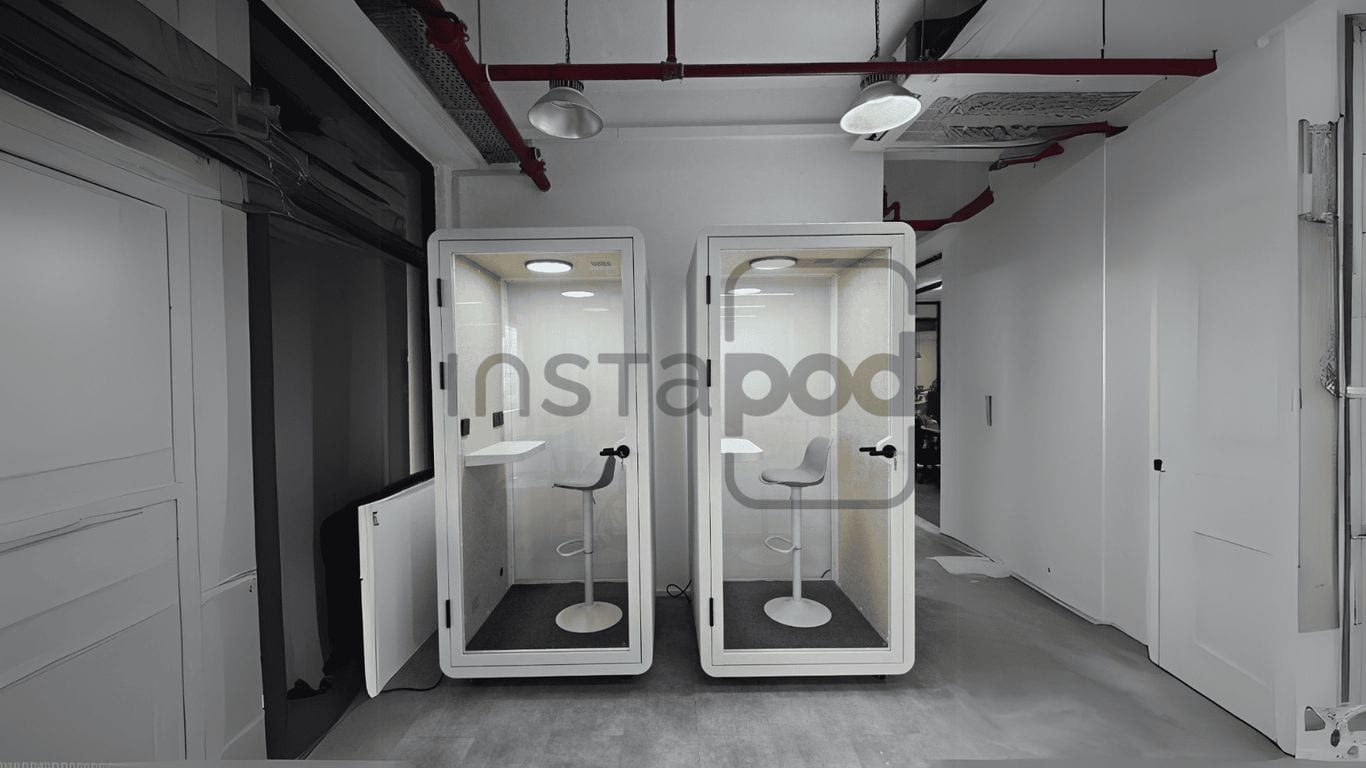
Thinking about adding booths to your office? Here are the main things to remember to make sure it’s a success. These points will help you create a better work environment for everyone.
Key Takeaways
- Booths create much-needed quiet zones in busy offices for better focus.
- Strategic placement is key, especially in smaller spaces, to maximize usability.
- Consider your team’s specific needs when choosing and arranging booths.
- Proper installation and regular maintenance help booths last longer and work better.
- Booths support modern work styles, including hybrid and remote setups.
Creating Productive Quiet Zones
In today’s busy offices, finding a spot to really concentrate can feel like a treasure hunt. That’s where quiet zones, often in the form of individual booths, come in. They’re like little islands of calm in the middle of all the action, giving people a place to focus without the usual office noise.
Understanding The Need For Quiet Zones
Think about it: how many times have you been deep in thought, only to be pulled out by a loud phone call or a chatty coworker? It happens. These quiet zones are designed to combat that exact problem. They offer a dedicated space where distractions are minimized, allowing for deeper work and better thinking. It’s not just about silence; it’s about creating an environment where focused tasks can actually get done.
The modern office often buzzes with activity, which is great for collaboration, but not so much for tasks requiring deep concentration. Quiet zones provide a necessary balance.
Integrating Technology For Enhanced Collaboration
These aren’t just empty boxes. Modern booths often come equipped with the tech you need. We’re talking about power outlets for your laptop, good lighting so you don’t strain your eyes, and ventilation to keep the air fresh. This means you can hop in for a quick, focused work session or even a video call without worrying about being uncomfortable or unprepared. They essentially become mini, private workspaces ready for action.
Here’s a quick look at what you might find:
- Power outlets (USB and standard)
- Adjustable LED lighting
- Quiet ventilation systems
- Optional: Small desk space
Calculating The Optimal Number Of Booths
So, how many booths do you actually need? It’s not a one-size-fits-all answer, but there are ways to figure it out. Consider the size of your office and how many people might need a quiet space at any given time. A good starting point is to look at your team’s workflow. Do people frequently take calls or need to focus on detailed work?
Here’s a rough guide:
| Office Size | Suggested Booths | Notes |
|---|---|---|
| Small (under 20) | 1-2 | Ideal for occasional focused work or calls. |
| Medium (20-50) | 2-4 | Supports more frequent use and varied needs. |
| Large (50+) | 4+ | Distribute throughout the space. |
It’s also worth thinking about how your office is laid out. If you have a lot of open space, you might need more booths spread out. If space is tight, you’ll need to be more strategic about placement.
Strategic Booth Placement In Your Office
Figuring out where to put your new call booth or meeting booth can feel like a puzzle, especially if your office isn’t huge. It’s not just about sticking them anywhere; it’s about making them work for your space and your people. Smart placement means more focus and less wasted room.
Arranging Booths In Small Offices
In a smaller office, every square foot counts. You don’t want to cram so many booths in that people feel boxed in. Think about using those awkward, underused spots. A hallway corner, the space under a staircase, or even a quiet nook can become a functional private space with the right booth. The goal is to add useful areas without making the main workspace feel cluttered. It’s about making your existing space work harder for you.
Maximizing Limited Space With Booths
When space is tight, creativity is key. Booths come in different sizes, so you can find ones that fit even in tight spots. Consider placing a single-person call booth near a busy work area to give someone a quick escape for a private call. A slightly larger meeting booth could go in a more central, yet still out-of-the-way, location for impromptu team chats. It’s about giving people options for focused work or quick discussions without disrupting others.
Here’s a quick look at how different booth types can fit:
| Booth Type | Ideal Location Examples |
|---|---|
| Single Call Booth | Near workstations, quiet corners |
| Small Meeting Booth | Central but accessible areas |
| Larger Meeting Booth | Near project team areas |
Designing Effective Office Booths
Think about how people actually move around your office. You don’t want a meeting booth blocking a main walkway. Also, make sure they’re easy for everyone to get to. Accessibility is a big deal. If a booth is hard to reach or use, people just won’t use it, no matter how good it is. Consider the flow of traffic and where people naturally gather or pass through. Placing booths near areas where focused work or private conversations are likely to happen makes the most sense.
The best office layouts feel natural. People should be able to find the quiet space they need without having to think too hard about it. It’s about creating an environment that supports different work styles without getting in the way.
Remember, the right placement can make a big difference in how much your team actually uses and benefits from these new quiet spaces. It’s a balance between providing privacy and keeping the office feeling open and connected.
Essential Considerations For Booth Setup
Setting up these quiet zones isn’t just about buying a few pods and sticking them in a corner. You’ve got to think about who’s going to use them and how they’ll fit into the bigger picture of your office. It’s about making sure they actually help people work better, not just add more furniture.
Considering The Needs Of Your Team
First off, who are the people using these booths? Are they mostly on calls, doing deep work, or maybe a mix of both? Knowing this helps you pick the right kind of booth. Some are better for quick chats, others are built for serious concentration. Think about the general vibe of your team too. If everyone’s always on the move, maybe you need booths that are easy to get in and out of. It’s really about making the space work for the humans in it.
Here’s a quick rundown of what to think about:
- Task Type: What will people be doing in the booths? (e.g., phone calls, video meetings, focused writing, quiet thinking).
- User Count: How many people might need a booth at any given time? This influences the number and size of booths.
- Accessibility: Can everyone on your team use the booths comfortably, regardless of physical ability?
- Technology Needs: Do users need power outlets for laptops, good lighting for video calls, or stable surfaces for writing?
Avoiding Common Mistakes In Booth Arrangement
One big mistake people make is just buying way too many booths. You think more is better, right? But cramming your office full of pods can actually make the space feel cluttered and harder to move around in. It defeats the purpose of creating a calm, productive environment. You want people to feel comfortable walking around, not like they’re navigating a maze.
Another common slip-up is not thinking about where the booths actually go. Just plonking them down anywhere might not work. You need to consider:
- Traffic Flow: Don’t block main walkways or create bottlenecks.
- Noise Levels: Placing a quiet booth right next to a busy kitchen or a loud printer probably isn’t the best idea.
- Accessibility: Make sure the booths are easy for everyone to reach.
The goal is to create pockets of calm without making the rest of the office feel cramped or inaccessible. It’s a balancing act between providing private space and maintaining an open, functional work environment.
Maximizing Office Space With Booths
When you’re short on space, booths can be surprisingly useful. Instead of thinking of them as just extra furniture, see them as ways to use awkward spots. That empty corner, the space under a staircase, or even a section of a hallway could become a functional private workspace. Different sizes are available, so you can often find something that fits even in tight areas. It’s about being clever with the space you have, turning dead zones into productive zones. This way, you get more out of your existing office footprint without needing to expand.
The Role Of Booths In Modern Workspaces
Why Your Office Needs A Booth
Think about your typical workday. Lots of open spaces, right? Great for collaboration, sure, but sometimes you just need a quiet spot. That’s where office booths come in. They’re like little private rooms that pop up where you least expect them, offering a break from the office buzz. These aren’t just fancy furniture; they’re tools for better work. Whether you need to make a sensitive call, focus on a tricky report, or just have a quick chat without everyone overhearing, a booth provides that needed space. They help make sure everyone can find a spot that fits what they need to do at that moment.
Booths For Enhanced Privacy And Focus
It’s tough to concentrate when there’s constant noise. Phones ringing, people talking, the general hum of an office – it all adds up. Booths are designed with sound-dampening materials, creating a bubble of quiet. This means you can actually get into a flow state and do your best work. It’s not just about avoiding distractions; it’s about creating an environment where deep thinking is possible. For tasks that require intense concentration, like coding, writing, or complex problem-solving, these private spaces are a game-changer.
Supporting Hybrid And Remote Work
Offices are changing. With more people working from home sometimes and coming into the office other times, the office space needs to be flexible. Meeting booths are perfect for this. They give people a dedicated spot when they come in, whether it’s for a quick video call with their remote team or a focused work session. They help make the office a place people want to come to, offering resources that might be harder to find at home. Plus, they can be used by anyone, regardless of their work setup.
Here’s a quick look at how booths help:
- Privacy: For confidential calls or sensitive discussions.
- Focus: For tasks requiring deep concentration.
- Flexibility: Adapting to different work styles and needs.
- Collaboration: Small, impromptu meetings without disrupting others.
The modern office is a mix of different needs. Some days you need to be loud and collaborative, other days you need to be quiet and focused. Booths help bridge that gap, making the office work better for everyone.
Smooth Booth Installation Process
Getting your new quiet booth set up shouldn’t be a headache. With a little planning, you can have your workspace transformed in no time. It’s all about following a few key steps to make sure everything goes off without a hitch.
Pre-Installation Checklist
Before you even think about unpacking, take a moment to get organized. This is where you avoid those "oops" moments later on. You’ll want to make sure you have:
- All the booth components: Double-check that you’ve received every panel, door, roof piece, and all the little bits of hardware. Compare it against the packing list.
- The right tools: Most kits come with what you need, but it’s good to have a basic toolkit handy, just in case. Check the manufacturer’s instructions for specifics.
- Enough space and clear access: Seriously, measure twice. You need room to actually assemble the booth, not just for the booth itself. Make sure there’s a clear path to get the pieces where they need to go.
- A power source nearby: If your booth has lights, fans, or charging ports, you’ll need an outlet within reach. Plan how you’ll manage the cords so nobody trips.
- The assembly instructions: Keep these handy! They’re your best friend during this process.
Step-By-Step Installation Guide
Once you’re prepped, it’s time to build. Most booths are designed to be pretty straightforward, often using a modular system.
- Prepare the Area: Make sure the floor where the booth will sit is level and clean. This is the foundation, so get it right.
- Unpack and Organize: Carefully unpack everything. Lay out the parts so you can easily see what goes where. It saves time and prevents confusion.
- Assemble the Base/Floor: Start with the bottom. Attach any legs or leveling feet to make sure it’s stable and perfectly flat.
- Install Wall Panels: Attach the side, back, and front panels to the base. They usually click or slot together. Secure them with screws or fasteners as directed.
- Attach the Door: Fit the door into its frame. Check that it swings open and closed smoothly. You might need to adjust the hinges a bit.
- Add the Roof/Ceiling: Place the top panel on the structure and secure it. This seals the booth and helps with acoustics.
- Connect Electricals (if applicable): If your booth has lights, ventilation, or power, connect these according to the manual. Test them out to make sure they work.
- Final Checks: Go over everything. Tighten any loose screws, check for gaps, and make sure the door operates correctly. Test all the features one last time.
Setting up a booth is a bit like putting together furniture, but with a much bigger payoff for your office’s focus and privacy. Taking the time to prepare and follow the steps carefully means you’ll end up with a solid, functional space.
Tips For A Smooth Installation
- Get a helper: Some parts can be heavy or awkward. An extra pair of hands makes the job safer and faster.
- Read the manual first: Seriously, don’t skip this. It’s written by people who know the booth inside and out.
- Test everything before you call it done: Lights, fans, door – make sure it all works as expected.
Maintaining Your Office Booths
So, you’ve got these great soundproof booths set up, and everyone’s loving the quiet focus they provide. That’s awesome! But like anything in an office, they need a little TLC to keep them working well and looking good. It’s not complicated, honestly.
Post-Installation Maintenance
Once your soundproof booths are installed, the real work is keeping them in good shape. Think of it like maintaining any piece of office furniture, but with a bit more attention to the acoustic properties and the tech inside.
- Regular Cleaning: Wipe down high-touch surfaces like door handles and tabletops frequently. A simple disinfectant wipe usually does the trick. Don’t forget the interior surfaces too – a quick vacuum or dusting weekly keeps things fresh.
- Hardware Check: Every month or so, just give the screws and fittings a quick check. Make sure everything is snug. This is especially important for the doors and any moving parts to keep them operating smoothly.
- Tech Inspection: If your booths have built-in lights, fans, or power outlets, give those a look every few months. Check that the lights are working, the fan is running okay, and the outlets are all functional. It’s better to catch a small issue early.
Keeping Booths In Top Condition
To make sure your soundproof booths last and continue to be a valuable asset, a little routine care goes a long way. It’s about more than just aesthetics; it’s about preserving their function.
Proper maintenance ensures that the acoustic integrity of the booths remains intact, meaning they continue to provide the quiet, focused environment they were designed for. Neglecting them could lead to diminished soundproofing and a less effective workspace.
Here’s a quick rundown of what to focus on:
- Ventilation: Ensure the ventilation systems aren’t blocked by anything. Dust buildup can happen, so a quick clean of the vents will keep the air circulating properly.
- Door Seals: Check the seals around the doors. If they get damaged or worn, they can let sound in, defeating the purpose of a soundproof booth. Replacing them is usually straightforward.
- Interior Surfaces: Spills happen. Clean them up promptly to avoid stains. For fabric surfaces, regular vacuuming is key to keeping them looking and smelling nice.
Conclusion
Setting up booths in your office is a pretty straightforward process that can make a big difference fast. They give people a private spot to focus and get work done. Since they’re often modular and easy to put together, booths are a smart buy for most offices today. If you follow a good guide for setting them up, you can avoid headaches and start enjoying the benefits of having a quiet, private workspace that works for you.
Frequently Asked Questions
Why do offices need quiet booths?
Offices can get really noisy with people talking, phones ringing, and meetings happening. Quiet booths give people a private space to concentrate on their work, take calls without being overheard, or just have a moment of peace away from the general office buzz. It helps everyone get their tasks done better.
How do I know how many booths to get?
It’s a good idea to think about how many people work in your office and how much space you have. You don’t want to cram too many in, but you also want enough so people can actually use them. Sometimes, having one booth for every 10-15 people is a good starting point, but it really depends on your office’s setup and how your team works.
Where is the best place to put booths?
You can put them in places that aren’t being used much, like corners or hallways. In small offices, putting them near desks can actually help cut down on noise. The main thing is to make sure they are easy for people to find and get to without disturbing others.
What if my office is really small?
Don’t worry, booths can still work! There are smaller booths designed for tight spaces. You can use awkward areas like under stairs or narrow hallways. The trick is to pick the right size booth and place it smartly so it doesn’t make the office feel crowded.
Do booths need special setup?
Most booths are pretty easy to set up. They usually come with instructions, and sometimes you might need a friend to help lift parts. You’ll want to make sure there’s a power outlet nearby if the booth has lights or fans. It’s usually not a big deal, just follow the steps!
How do I keep the booths clean?
Keeping them clean is simple. Just wipe down the surfaces regularly, especially if many people use the same booth. A quick dusting or vacuum inside every week helps too. Check that screws are tight now and then to make sure everything stays sturdy.
The post A Guide to Setting Up Booths for Quiet and Efficient Workspaces appeared first on InstaPod Malaysia.