A Complete Guide to Acoustic Pod in Malaysia
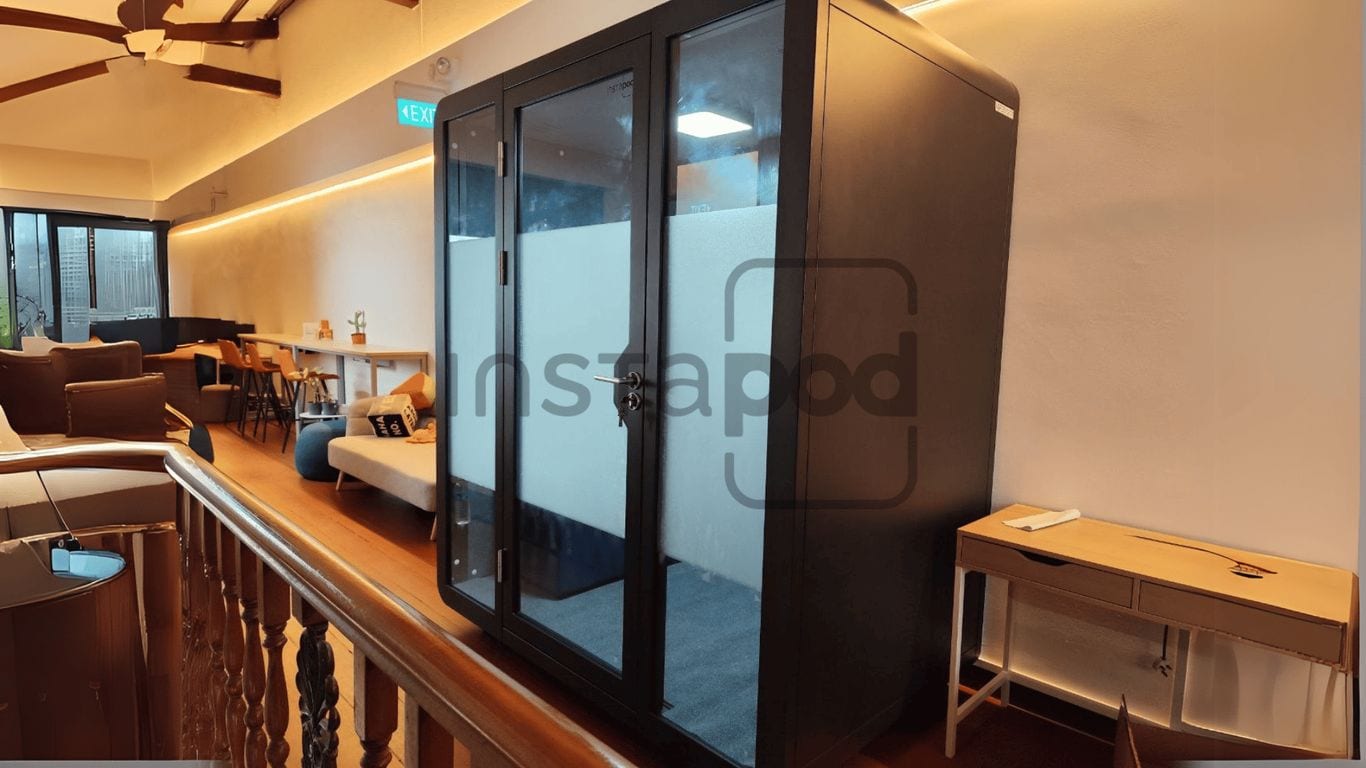
Ever walked into a busy office and just wished for a quiet corner to get things done? Or maybe you’re working from home and the dog barking or kids playing makes focusing a real challenge. Well, guess what? There’s a solution that’s been popping up everywhere: acoustic pods. These aren’t just fancy phone booths; they’re specially designed spaces that can seriously change how you work. They’re becoming super popular in all sorts of workplaces, and for good reason. Let’s dig into what these acoustic pods are all about and why offices are falling in love with them.
Key Takeaways
- Acoustic pods create quiet zones in busy places, helping you focus better.
- They use special materials and designs to block noise from outside and keep your conversations private.
- These pods are a flexible, budget-friendly way to add private workspaces without big renovations.
- Pods are great for all sorts of tasks, like making calls, having confidential chats, or just getting some quiet work done.
- When picking a pod, think about how well it blocks sound, its size, and what features it has to help you concentrate.
Understanding Acoustic Pods
What Defines an Acoustic Office Pod?
An acoustic office pod is a standalone, enclosed workspace designed to keep outside noise to a minimum and limit distractions. Its main job is to create a quiet, private area in places like busy offices, coworking spaces, or even homes. These pods are great for making phone calls, video meetings, or just getting focused work done when background noise gets to be too much.
Here are some typical uses for an acoustic work pod:
- Private calls or video conferences
- Quiet, focused work sessions
- Small meetings or interviews
- Creative brainstorming zones
And because pods are flexible, you can move them or reconfigure your layout as your needs change.
Walking into an acoustic pod office after sitting in open-plan noise can really feel like a reset—suddenly, you can actually hear yourself think.
Key Components of Sound Isolation
What keeps the noise out? It’s all about the right combination of design and materials. Here are the basic features that contribute to a pod’s sound isolation:
- Material Density: Heavier and thicker walls do a better job at blocking noise.
- Sealed Construction: Good pods have airtight seals around their doors, windows, and joints to prevent sound leaks.
- Acoustic Lining: Panels or foam inside the pod help absorb sound, so echoes and chatter from outside don’t sneak in—or bounce around inside.
- Vibration Control: Some pods add rubber or other dampening features so vibration doesn’t travel through the frame.
Here’s how these components stack up:
| Component | What It Does | Key Benefit |
|---|---|---|
| Dense Panels | Block external noise | Privacy & focus |
| Tight Seals | Prevent air and sound leaks | True sound isolation |
| Absorptive Linings | Trap echo, stop reverb inside | Clear audio, less echo |
| Vibration Dampening | Stops sound transferring via floors | Stable, quieter setting |
If you’re comparing acoustic pod office options in Malaysia, these construction details make all the difference for real privacy and peace. Even with strong materials, all it takes is a small gap around the door for sound to slip through.
Evaluating Acoustic Pod Performance
So, you’re looking at acoustic pods and wondering how to tell if one is actually any good. It’s not just about how they look, right? What really matters is how well they do their job of keeping sound out and in. Let’s break down what makes a pod perform well.
Factors Influencing Pod Performance
Several things play a role in how effective an acoustic pod is. Think of it like building a sturdy house – you need good materials and solid construction.
- Materials: The stuff the pod is made of makes a big difference. Denser materials are generally better at blocking sound. You’ll want to look at the walls, ceiling, and floor.
- Construction: How it’s put together is just as important. Are there double layers in the walls? Are the seals around the doors and windows tight? Even tiny gaps can let a lot of noise sneak through.
- Ventilation: While you need air to breathe, the fan and vents shouldn’t be adding extra noise. A good system is quiet and doesn’t compromise the soundproofing.
- Design: The overall shape and how components are integrated can affect how sound travels. Some designs are better at preventing sound from bouncing around inside or escaping.
Evaluating Sound Reduction Levels
When you’re comparing pods, you’ll often see technical ratings. The most common one you might come across is the Sound Transmission Class (STC), or sometimes Noise Isolation Class (NIC). These numbers give you an idea of how much sound is blocked. A higher STC or NIC rating generally means better sound isolation.
However, these numbers are just a starting point. It’s also helpful to know about the ISO 23351-1 standard. This is a more recent industry standard specifically for acoustic pods. It measures Speech Level Reduction (SLR), which tells you how much a pod reduces the sound of a voice coming from inside. The results are usually given a letter grade, like A+, A, B, C, or D, with A+ being the best. This standard tests the whole pod – panels, glass, doors, and ventilation – giving a more realistic picture of its performance.
Here’s a general idea of what those ISO grades might mean in terms of sound reduction:
| ISO 23351-1 Grade | Speech Level Reduction (SLR) | Typical Performance |
|---|---|---|
| A+ | Very High | Excellent privacy, minimal sound leakage |
| A | High | Good privacy, suitable for most calls |
| B | Moderate | Decent privacy, may allow some sound bleed |
| C | Low | Limited privacy, noticeable sound leakage |
| D | Very Low | Minimal sound reduction |
Don’t just rely on the numbers alone, though. If possible, try to find real-world reviews or even test the pod yourself.
The Acoustic Experience Inside Pods
Beyond the technical specs, how does it actually feel to be inside the pod? This is where the subjective experience comes in.
- Comfort: Is the air fresh? Is the lighting pleasant? Does it feel cramped or spacious enough for your intended use?
- Noise Quality: Even if a pod blocks external noise well, is the internal sound pleasant? You don’t want echoes or a muffled, stuffy feeling.
- Usability: Does the ventilation system make a noticeable hum? Is it easy to adjust lighting or power outlets?
Ultimately, the best way to evaluate a pod’s performance is to experience it firsthand. If you can, try making a phone call or having a quiet conversation inside. See if you feel isolated from the surrounding noise and if your conversation feels private. This hands-on test can tell you more than any spec sheet.
Many suppliers offer showroom visits or even trial periods, which are great opportunities to get a real feel for the pod’s acoustic qualities and overall comfort.
Choosing Your Ideal Acoustic Pod
Finding the right acoustic pod isn’t just about picking one that looks cool in the office. You have to match what you need with what the pod actually offers. Here’s how to get started:
Considering Size, Features, and Materials
Before you commit, think about where the pod will go and what you’ll use it for. Will it be for private calls, focused work, or small meetings? Here’s a quick list to help guide your decision:
- Figure out the number of people who’ll use it at once.
- Decide on must-have features (power outlets, USB charging, shelves, or whiteboards).
- Look into pod dimensions to make sure it fits in your available space.
- Check if the pod is easy to move or install.
A table to compare options:
| Pod Type | Capacity | Exterior Dimensions (m) | Integrated Features |
|---|---|---|---|
| Solo Booth | 1 person | 1.2 x 1.2 x 2.2 | Desk, power outlets, ventilation |
| Duo Booth | 2 people | 1.6 x 1.6 x 2.3 | Double seating, lighting |
| Meeting Pod | 4+ people | 2.4 x 2.4 x 2.3 | Table, video call system |
Material Density and Construction
The material and how it’s built matter a lot for sound control. You’ll want something that blocks noise and doesn’t rattle when someone closes the door.
- Thicker, denser materials block more sound (think steel, thick glass, solid wood).
- Double-layered walls usually perform way better than single panels.
- Check seams for gaps—sound will escape if things aren’t tightly sealed.
Most pods mention something called STC (Sound Transmission Class). The higher this number, the better. Here are rough guidelines:
| STC Rating | Soundproofing Level |
|---|---|
| 30–39 | Basic, muffles conversation |
| 40–49 | Good, blocks most speech |
| 50+ | Excellent, barely any noise |
Ventilation and Lighting Considerations
A pod can’t just be quiet—it also has to be comfortable. Good ventilation stops the air from getting stale, and proper lighting keeps you awake (and presentable on calls).
- Look for silent fans or passive airflow systems.
- Check if you can adjust the light brightness or color.
- Consider window placements for natural light if you hate feeling boxed in.
If you get all this right, using your pod can be surprisingly pleasant—almost like having your own tiny office inside the office. You get focus, comfort, and a spot that feels tailor-made for you.
Versatile Applications of Acoustic Pods
Acoustic pods are way more than just a trendy addition to modern offices; they’re actually super practical tools that can solve a bunch of different workplace challenges. Think of them as adaptable mini-rooms that can be set up almost anywhere. They’re popping up in all sorts of places because they offer solutions for focus, privacy, and specialized tasks.
Supporting Remote and Hybrid Work
For folks juggling remote or hybrid work, acoustic pods can be a lifesaver. Trying to concentrate when there’s household noise – kids, pets, or even just the TV – is a real struggle. A pod gives you a dedicated, quiet zone without needing to soundproof an entire room. It helps create a clear boundary between your work life and home life, which is pretty important for avoiding burnout. Plus, they’re a much simpler setup than trying to turn your living room into a functional office.
Ideal for Confidential Discussions
Need to have a sensitive chat? Whether it’s a performance review, a client call, or a private HR matter, acoustic pods provide the necessary privacy. The soundproofing means your conversation stays between you and the other person, keeping things confidential. This is great for:
- HR departments needing private meeting spaces.
- Managers conducting one-on-one check-ins.
- Therapists or counselors needing a quiet, private setting.
- Anyone needing to make a sensitive phone call without being overheard.
Creating Dedicated Task-Specific Zones
One of the coolest things about acoustic pods is how flexible they are. You can actually set them up for all sorts of different jobs. Need a quiet spot for deep work? Easy. Want a small area for video calls? Done. You can even customize them with different lighting or small furniture to fit the purpose.
Here are a few ideas for how you might set up a pod:
- Focus Zone: A simple desk, an ergonomic chair, and good task lighting for concentrated work.
- Call Booth: Just enough space for a comfortable seat and a small table for a laptop during important calls.
- Mini Meeting Room: A small table and a couple of chairs for quick, private team huddles.
The real beauty of these pods lies in their ability to create distinct zones within a larger, often noisier, environment. They allow individuals or small groups to isolate themselves acoustically for specific activities, boosting efficiency and reducing the disruption that can come from trying to manage different needs in an open space.
These pods are a smart way to add specialized workspaces without major construction, making them a practical choice for many Malaysian businesses looking to adapt to new work styles.
The Malaysian Acoustic Pod Market
Malaysia’s demand for flexible workspace solutions has led to a noticeable uptick in interest around pod malaysia options. Acoustic pods are cropping up in coworking spaces, banks, startups, and even hospitals. Let’s take a closer look at what makes the local market tick and what you should consider before making a purchase.
Local Providers and Solutions
Some of the key suppliers in Malaysia include:
- Ace Office Pods: Office booths and meeting pods built for small huddle spaces or phone calls.
- InstaPod Malaysia: Known for quick installations and customizable interiors.
- Local fit-out contractors: Often ready to build-to-order if you have very specific needs.
Before choosing, it’s always smart to visit a showroom or trial the pod if you can. This way, you’re not relying solely on online specs—actual user experience matters.
Understanding Sound Insulation vs. Acoustic Insulation
The terms "sound insulation" and "acoustic insulation" get tossed around a lot. Here’s the no-nonsense breakdown:
- Sound insulation means stopping sound from getting through walls (think: making the pod quieter inside).
- Acoustic insulation often refers to controlling echo and reverberation inside the pod itself, making voices clearer.
- Good pods for the Malaysia market tend to offer both, but not all are created equal, so it’s worth asking vendors for demo tests or independent ratings.
When inside a well-insulated acoustic pod, you should feel less distracted without total silence—a comfortable zone for work or private chats.
Measuring Soundproofing Standards
You’ll hear about rating numbers like STC (Sound Transmission Class), but honestly, they’re only part of the story. Here’s a simple table to guide you:
| Rating Type | Typical Value | What It Means |
|---|---|---|
| STC | 30–45 | Decent to strong noise block |
| NIC | 25–40 | How much speech gets through |
A higher number is better, but context is key. Not all pods are lab-tested or rated the same, so when shopping for a pod malaysia product, ask the supplier for real-life demos or verified performance results.
Quick Checklist for Malaysian Buyers:
- Check local support and after-sales services
- Ask about tropical durability (humidity can be an issue)
- Try the pod before committing if possible
Whether you’re after a private focus booth or a four-person meeting pod, Malaysia’s market offers a growing range of choices. Just remember: real performance beats paper specs—so always test if you can.
Making the Most of Your Acoustic Pod
So, you’ve got your acoustic pod. That’s great! But just having one isn’t the whole story. To really get your money’s worth, you need to think about how you’re going to use it and what makes it work best. It’s not just about having a quiet box; it’s about making that quiet box work for you.
Beyond Traditional Cubicles
Think of your acoustic pod as a step up from the old-school cubicle. It’s more flexible and offers a level of privacy that a cubicle just can’t match. You can use it for all sorts of things that just aren’t practical in an open office or even a standard desk setup. It’s about creating a dedicated space for specific tasks, which can really help you get into the zone.
A Smart Investment for Productivity
Investing in an acoustic pod is really about investing in better work. When people can focus without constant interruptions, they get more done. Plus, having a private space for calls or meetings means you’re not disturbing others, and your conversations stay private. It’s a win-win.
Here are a few ways pods boost productivity:
- Focused Work: Eliminate distractions for deep concentration tasks.
- Private Calls: Conduct sensitive or important calls without being overheard.
- Virtual Meetings: Enjoy clear audio and video without background noise.
- Creative Sessions: Brainstorm or work on creative projects in a distraction-free environment.
The right acoustic pod can transform how you work by providing a controlled environment. It’s about giving yourself the best conditions to perform your tasks effectively, whether that’s intense focus or clear communication.
Trial Programs and Showroom Visits
Before you commit to buying, it’s a really good idea to try before you buy, if possible. Many companies offer trial periods, or you can visit a showroom to see the pods in person. This lets you get a feel for the space, test the soundproofing, and check out the comfort and features. It’s better to experience it yourself than just reading about it.
When checking out pods, consider these points:
- Sound Levels: How well does it block out typical office noise? Try making a call or having a quiet chat inside.
- Comfort: Is the seating comfortable? Is the lighting adequate and adjustable?
- Air Quality: Does the ventilation system work quietly and keep the air fresh?
- Size and Layout: Does it fit your needs for the intended use (e.g., solo work, small meeting)?
Trying out a pod can save you a lot of hassle later on. You want to make sure it’s the right fit for your specific needs and workspace.
Wrapping It Up
So, we’ve talked a lot about acoustic pods in Malaysia. They’re really becoming a thing, aren’t they? Basically, these pods are a smart way to get some peace and quiet in a busy office or even at home. They help you focus, take calls without everyone hearing, and just generally make your workday less chaotic. When you’re picking one out, remember to check how well it actually blocks sound, make sure it’s the right size for your spot, and see if it has the features you need to get your work done. Whether you’re in KL or anywhere else in Malaysia, finding the right pod can make a big difference in how productive and comfortable you feel during the day. It’s all about creating that little bubble of calm when you need it most.
Frequently Asked Questions
What is an acoustic pod and how does it work?
An acoustic pod is a small, self-contained room made to block outside noise and keep conversations private. It uses thick walls, special materials, and a tight seal to stop sound from getting in or out. This makes it a great spot for focusing on work or having private talks, even in busy places.
How much quieter is it inside an acoustic pod?
Acoustic pods can make a big difference! They can turn loud office noise into a soft, gentle hum. Many pods can lower sound levels from around 70 decibels (like a busy office) down to about 40 decibels, which is perfect for working without distractions.
What should I look for when choosing an acoustic pod?
When picking a pod, think about how much space you need, the features you want (like lighting or power outlets), and the materials used. Denser materials block sound better. Also, check if the pod has good ventilation and lighting so you’ll be comfortable inside.
Are acoustic pods only for offices?
No, acoustic pods can be used in lots of places! They’re great for offices, but also work well at home, in schools, or even in shared workspaces. People use them for meetings, private phone calls, studying, or just having a quiet place to think.
What’s the difference between sound insulation and acoustic insulation?
Sound insulation keeps noise from passing in or out of the pod. Acoustic insulation, on the other hand, makes the sound inside the pod clearer by stopping echoes and reducing background noise. Both are important for making the pod a good place to work or talk.
Can I try out an acoustic pod before buying one?
Yes! Many providers in Malaysia let you visit showrooms or even try a pod in your own space for a short time. This way, you can see if it’s comfortable, quiet, and right for your needs before making a decision.
The post A Complete Guide to Acoustic Pod in Malaysia appeared first on InstaPod Malaysia.